

Exploring Morocco Valleys: Ourika, Dades, and Todra for Nature & Adventure
Exploring Morocco Valleys – A Journey Through Nature and Culture
Morocco is a land of striking contrasts, where ancient medinas meet soaring mountains, vast deserts, and verdant valleys. Among its natural treasures, the Morocco valleys stand out as must-visit destinations for travelers seeking a mix of adventure, culture, and breathtaking landscapes.
From the lush greenery and cascading waterfalls of the Ourika Valley, to the dramatic rock formations of the Dades Valley, and finally the towering cliffs of the Todra Gorge, each valley offers a unique experience that captures the heart of Morocco. These valleys are not only havens for nature lovers but also provide insight into traditional Berber life, with villages, markets, and centuries-old kasbahs scattered throughout.
Whether you are an adventurer looking to hike and explore, a photographer chasing the perfect landscape, or a traveler eager to immerse yourself in local culture, the Morocco valleys promise unforgettable memories. In this guide, we’ll take you on a journey through the most iconic valleys: Ourika, Dades, and Todra, highlighting their natural beauty, cultural richness, and practical travel tips to help you plan your perfect Moroccan adventure.
Discover the Ourika Valley – Morocco’s Lush Mountain Escape
Nestled in the foothills of the majestic High Atlas Mountains, just 30 kilometers from the bustling city of Marrakech, the Ourika Valley is one of Morocco’s most accessible and picturesque valleys. Flowing along the Ourika River, the valley offers a perfect blend of natural beauty and cultural heritage. Visitors are greeted with lush greenery, meandering rivers, terraced hillsides, and cascading waterfalls, creating a serene escape from city life.
Whether you are planning a day trip from Marrakech or an overnight stay in a guesthouse overlooking the mountains, Ourika Valley caters to both casual travelers and avid adventurers. Its proximity makes it ideal for quick escapes, yet its landscapes are so immersive that you’ll feel like you’ve journeyed into another world entirely.

Location & Accessibility
The Ourika Valley stretches along the Ourika River, framed by the High Atlas Mountains, whose peaks are snow-capped during winter months. This location gives the valley a dramatic backdrop that changes with the seasons, making it photogenic year-round.
-
From Marrakech: Only about 45 minutes to 1 hour by car, making it one of the most popular day-trip destinations for tourists staying in the city.
-
Tours: Many tour operators offer guided excursions that include waterfalls, Berber villages, and traditional lunches.
-
Roads & Driving: The roads are generally well-paved, but winding in certain mountainous sections. As you drive, you’ll pass terraced farms, olive groves, and tiny Berber villages, offering glimpses of local life.
-
Tips: Early mornings are best to avoid tourist crowds, and traveling during spring or autumn ensures mild weather and flowing rivers.
Natural Beauty & Scenic Highlights
The Ourika Valley is a nature lover’s paradise, offering a variety of landscapes and features:
-
Setti Fatma Waterfalls: The most famous natural attraction, a series of seven cascading waterfalls accessible via hiking trails. The higher you climb, the quieter and more secluded the waterfalls become. Hikers can dip their feet in natural pools for a refreshing experience.
-
Lush Landscapes: Terraced farms, olive and almond groves, and wildflowers create a vibrant palette of green, especially in spring and early summer. Fruit orchards bursting with apricots, cherries, and plums add a seasonal charm.
-
Atlas Mountains Backdrop: Snow-capped peaks provide a stunning contrast to the valley’s greenery in winter and early spring. The mountains are ideal for photography or simply soaking in the majesty of the landscape.
-
Ourika River: The winding river adds serenity to the valley. Visitors often stop along the banks for picnics or short walks, enjoying the peaceful sound of flowing water amidst the greenery.
Activities in Ourika Valley
Visitors to Ourika Valley can enjoy a variety of adventurous and cultural activities:
-
Hiking: Trails range from easy riverside walks to moderate hikes leading to waterfalls and mountain viewpoints. Some paths connect to hidden Berber villages, providing authentic encounters with locals.
-
Village Visits: Explore traditional Berber villages like Setti Fatma, where locals sell handmade crafts, textiles, and pottery. Visiting these villages offers insight into centuries-old lifestyles still maintained today.
-
Cultural Immersion: Experience Berber hospitality by tasting mint tea, learning about traditional farming methods, or visiting local markets filled with fresh produce and artisanal goods.
-
Photography: The valley’s diversity—from rivers and waterfalls to terraced hillsides and mountain panoramas—makes it a dream location for photographers, especially during sunrise or sunset.
Culture & Traditions
The Ourika Valley is not just about natural beauty—it’s also a hub of Berber heritage:
-
Traditional Villages: Villages built with stone and clay offer an authentic experience of rural Moroccan life.
-
Handicrafts & Artisanal Skills: Visitors can watch or participate in weaving, pottery, and herbal medicine preparation, supporting local artisans.
-
Markets & Local Products: Fresh vegetables, olives, and fruit from terraced farms are sold at village markets, along with handmade carpets and ceramics.
-
Hospitality: Friendly Berber families often invite visitors for tea or snacks, providing a warm introduction to local culture and customs.
Best Time to Visit Ourika Valley
The valley changes dramatically with the seasons, making timing important:
-
Spring (March–May): Blooming flowers, flowing rivers, and mild temperatures make it the ideal season for hiking and photography.
-
Summer (June–August): Warmer temperatures, perfect for early morning hikes or exploring waterfalls before the afternoon heat.
-
Autumn (September–November): Mild weather, fewer tourists, and golden-hued landscapes ideal for peaceful exploration.
-
Winter (December–February): Snow on mountain peaks offers dramatic scenery. While waterfalls may be lower, the valley’s charm remains, especially for photographers.
Explore the Dramatic Dades Valley – Morocco’s Valley of a Thousand Kasbahs
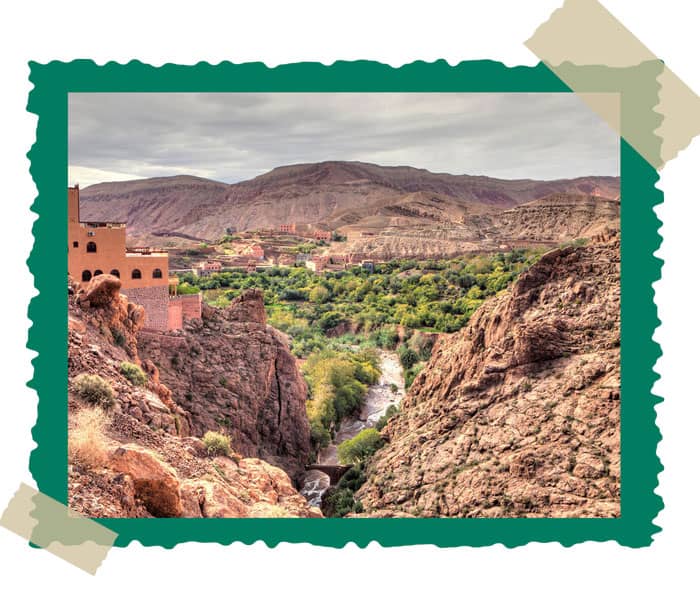
Stretching through the heart of southeastern Morocco, the Dades Valley is a striking contrast to the lush Ourika Valley. Known as the “Valley of a Thousand Kasbahs”, it winds between rugged cliffs, desert-colored hills, and rocky outcrops, offering one of Morocco’s most dramatic and photogenic landscapes. The valley has been shaped over centuries by natural erosion and human settlement, resulting in a tapestry of rock formations, palm groves, and traditional Berber villages.
Whether you are a photographer, an adventurer, or a culture enthusiast, Dades Valley offers an unforgettable experience with opportunities for hiking, exploring centuries-old kasbahs, and immersing yourself in the local Berber way of life. Its accessibility from Ouarzazate and the road to Todra Gorge makes it a popular stop for travelers seeking Morocco’s desert-edge landscapes.
Location & Accessibility
-
Geography: The valley lies between the High Atlas and Anti-Atlas Mountains, gradually descending into the desert landscapes near Erfoud.
-
From Ouarzazate: Approximately 2.5–3 hours by car, making it a feasible overnight stop or part of a multi-day desert route.
-
Roads & Driving: The scenic road to Dades Valley is famous for its switchbacks and panoramic views of cliffs and kasbahs. Travelers are treated to a visual feast of jagged rock formations known locally as “Monkey Fingers” due to their unusual shape.
-
Tours: Many travelers join guided tours from Ouarzazate or Marrakech, which combine Dades Valley with Todra Gorge and desert excursions.
Stunning Landscapes & Scenic Highlights
The Dades Valley is a paradise for landscape enthusiasts:
-
Valley of a Thousand Kasbahs: Ancient mud-brick fortresses dot the valley, some still inhabited, others converted into guesthouses or museums. They create a unique historical and architectural atmosphere.
-
Rock Formations: Dramatic cliffs, narrow gorges, and unusual stone formations like the “Monkey Fingers” make Dades one of Morocco’s most unique natural landscapes.
-
Palm Groves & Terraces: Amidst the rocky terrain, lush palm groves and terraced gardens flourish, supported by traditional irrigation systems that have been used for generations.
-
Rivers & Oases: Small rivers and streams crisscross the valley, offering refreshing stops and perfect spots for photography or picnics.
Activities in Dades Valley
-
Hiking & Trekking: Trails lead through cliffs, kasbahs, and desert-edge landscapes, offering varied difficulty levels suitable for both casual walkers and experienced hikers.
-
Photography: The valley’s mix of red cliffs, kasbahs, and palm groves makes it a dream location for photographers, particularly during sunrise or sunset when the light transforms the landscape.
-
Kasbah Exploration: Visit historical kasbahs like Kasbah Amridil, experiencing centuries-old architecture and traditional Berber culture. Some kasbahs now host boutique accommodations for overnight stays.
-
Village Visits: Small Berber villages such as Boulmane and Tinghir offer insights into daily life, from traditional farming to local markets selling pottery, carpets, and produce.
Culture & Traditions
-
Berber Heritage: The valley is home to Berber communities who maintain centuries-old traditions in agriculture, architecture, and crafts.
-
Local Markets & Handicrafts: Visitors can purchase handmade carpets, pottery, and traditional jewelry, supporting the local economy while bringing home authentic souvenirs.
-
Festivals & Traditions: Seasonal festivals celebrate harvests and local culture, often accompanied by music, dance, and communal gatherings.
-
Hospitality: Many local families welcome travelers for tea, meals, or short cultural exchanges, offering a genuine glimpse into valley life.
Best Time to Visit Dades Valley
-
Spring (March–May): Mild temperatures, blooming plants, and flowing streams. Perfect for trekking and photography.
-
Summer (June–August): Hot during the day but cooler in the mornings; ideal for early hikes and overnight stays in kasbahs.
-
Autumn (September–November): Pleasant weather, fewer tourists, golden desert hues, and vibrant sunsets.
-
Winter (December–February): Cool temperatures; snow may cap the High Atlas peaks, providing dramatic contrasts to the desert-colored cliffs.
Ready to Explore Morocco Valleys?
Experience the breathtaking beauty, rich culture, and thrilling adventures of Morocco’s most iconic valleys: Ourika, Dades, and Todra. Whether you’re seeking lush mountain escapes, historic kasbahs, or towering gorges, these valleys offer unforgettable memories for every traveler.
Don’t wait—plan your journey through Morocco valleys now!
Marvel at Todra Gorge – Morocco’s Towering Canyon
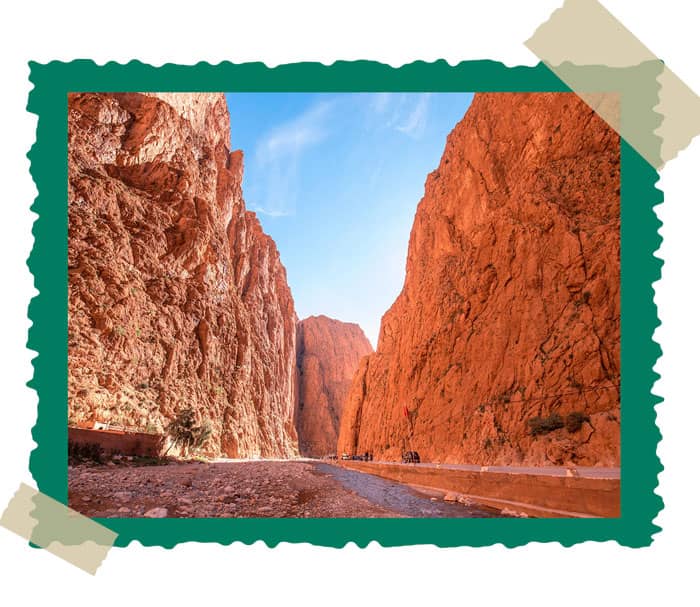
The Todra Gorge is one of Morocco’s most striking natural wonders, located at the eastern end of the Dades Valley route. This narrow canyon, carved by the Todra River over millions of years, features sheer cliffs rising up to 300 meters (980 feet) high, creating a breathtaking corridor of stone that draws adventurers, climbers, and photographers alike.
Known for its dramatic landscapes and tranquil riverbanks, Todra Gorge offers a perfect combination of adventure, natural beauty, and cultural experiences. Unlike the lush Ourika Valley or the rugged expanses of Dades, Todra Gorge is a vertical marvel, where hikers can walk between towering rock walls and explore hidden pathways to scenic viewpoints.
Location & Accessibility
-
Geography: Situated near the town of Tinghir in southeastern Morocco, Todra Gorge marks the transition from the Atlas Mountains to the edge of the Sahara Desert.
-
From Dades Valley: About 1–1.5 hours by car, making it an ideal continuation after visiting Dades.
-
Road & Access: The approach road is paved and scenic, winding through palm groves and small Berber villages. Parking is available at the base of the gorge for visitors embarking on hikes.
-
Tours: Many guided tours combine Dades Valley and Todra Gorge, offering cultural insights and access to local guides familiar with hidden trails.
Geological Wonders & Scenic Highlights
-
Towering Cliffs: Vertical limestone walls that soar up to 300 meters create a dramatic corridor perfect for climbers and photographers.
-
The River: The Todra River runs along the gorge floor, providing a refreshing contrast to the rugged cliffs and creating small oasis-like areas.
-
Palm Groves & Gardens: Along the base and nearby villages, lush palm groves flourish, offering natural shade and picturesque scenery.
-
Unique Formations: As the gorge narrows, sunlight filters between the cliffs, producing striking light and shadow contrasts ideal for photography.
Adventure Activities in Todra Gorge
-
Hiking: Gentle walks along the gorge floor or more challenging climbs to viewpoints above the canyon walls. Trails vary in difficulty and offer access to quieter areas away from crowds.
-
Rock Climbing: Todra Gorge is a world-renowned climbing destination with routes suitable for both beginners and experienced climbers.
-
Photography: Sunrise and sunset cast dramatic shadows along the gorge walls, perfect for landscape and nature photography.
-
Exploration: Walk to nearby Berber villages, cross small bridges, or explore hidden corners of the canyon for a more intimate experience.
Culture & Local Life
-
Berber Villages: Tinghir and nearby settlements showcase traditional life, with mud-brick homes, local markets, and palm groves surrounding the villages.
-
Handicrafts & Souvenirs: Local markets sell woven carpets, pottery, jewelry, and spices. Visitors can often see artisans at work.
-
Hospitality: Berber families frequently welcome tourists for mint tea and snacks, offering insight into their daily routines and customs.
-
Festivals & Traditions: Seasonal harvests and community gatherings provide opportunities to witness traditional Berber music, dance, and celebrations.
Best Time to Visit Todra Gorge
-
Spring (March–May): Ideal for hiking and photography, with mild temperatures and flowing river waters.
-
Summer (June–August): Warm and dry; early morning or late afternoon hikes recommended to avoid midday heat.
-
Autumn (September–November): Pleasant weather, fewer tourists, and golden desert hues perfect for scenic views.
-
Winter (December–February): Cooler temperatures; cliffs may appear even more dramatic with the low-angle winter sun.
Comparing Morocco Valleys – Ourika, Dades, and Todra
Morocco’s valleys each offer a distinct experience, from lush greenery to dramatic cliffs and desert-edge landscapes. Comparing Ourika, Dades, and Todra can help travelers plan their itineraries and choose experiences that match their interests.
Landscape Differences
-
Ourika Valley: Known for its lush vegetation, flowing rivers, waterfalls, and terraced gardens in the foothills of the High Atlas. The scenery is vibrant and green, especially in spring.
-
Dades Valley: Characterized by rugged cliffs, red rock formations, and palm groves, often called the “Valley of a Thousand Kasbahs” for its historic mud-brick fortresses. Its dramatic, desert-tinged landscapes are ideal for photography and exploration.
-
Todra Gorge: A vertical marvel, with sheer limestone cliffs rising up to 300 meters. The narrow canyon contrasts with the open valleys, offering a sense of scale and awe unmatched by the other two valleys.
Activity Options
-
Ourika Valley: Hiking to waterfalls, visiting Berber villages, exploring local markets, and cultural immersion with traditional tea and crafts. Ideal for nature walks and casual explorers.
-
Dades Valley: Trekking through gorges, exploring historic kasbahs, photography, visiting Berber villages, and experiencing the desert-edge environment. Best for adventurous travelers and photographers.
-
Todra Gorge: Rock climbing, canyon hiking, photography of dramatic cliffs, and exploring small villages. Perfect for thrill-seekers and those drawn to geological wonders.
Accessibility & Travel Tips
-
Ourika Valley: 30 km from Marrakech, easily reached by car or organized tours. Suitable for day trips or overnight stays.
-
Dades Valley: About 2.5–3 hours from Ouarzazate. Ideal for overnight stays in kasbahs and exploration along the valley.
-
Todra Gorge: 1–1.5 hours from Dades Valley, usually visited as part of a multi-day journey with Dades. Parking available at gorge entrances; guided tours are recommended for safety and insight.
Cultural & Local Experiences
-
All three valleys feature Berber communities, but each offers a slightly different glimpse into Moroccan culture:
-
Ourika: Small mountain villages, traditional crafts, local markets, mint tea experiences.
-
Dades: Historic kasbahs, desert-edge farming, seasonal festivals, artisanal crafts.
-
Todra: Villages near the gorge, local markets, and opportunities for interacting with families maintaining centuries-old lifestyles.
-
Best Time to Visit Each Valley
-
Ourika: Spring to autumn, with spring ideal for lush greenery and waterfalls.
-
Dades: Spring, autumn, and early summer for comfortable hiking temperatures and clear skies.
-
Todra: Spring and autumn preferred for hiking and climbing; summer mornings are good for shorter walks. Winter offers dramatic cliffs but cooler temperatures.
Suggested Travel Itinerary
-
Day 1: Depart Marrakech → Explore Ourika Valley → Overnight in Ourika or return to Marrakech.
-
Day 2: Travel to Dades Valley → Explore kasbahs and gorges → Overnight in a local kasbah.
-
Day 3: Morning visit to Todra Gorge → Short hikes and photography → Travel onward to Merzouga or back to Ouarzazate.
Practical Travel Tips for Morocco Valleys
Visiting Morocco valleys like Ourika, Dades, and Todra is a rewarding experience, but planning ahead can make your trip smoother and more enjoyable. Here’s a comprehensive guide for travelers:
Suggested Itineraries
-
Short Trips: If you have 1–2 days, focus on Ourika Valley, which is only 30 km from Marrakech, making it ideal for a day trip.
-
Multi-Day Exploration: For a 3–5 day itinerary, combine Ourika, Dades, and Todra Valleys, allowing time for hiking, photography, and cultural immersion.
-
Extended Adventure: Travelers with a week or more can include overnight stays in kasbahs, desert excursions from Dades, and longer treks in Todra Gorge.
Accommodation Options
-
Ourika Valley: Guesthouses, small riads, and eco-lodges near Setti Fatma offer scenic mountain views and traditional hospitality.
-
Dades Valley: Historic kasbahs converted into boutique hotels provide authentic experiences with modern comfort.
-
Todra Gorge: Guesthouses and lodges in Tinghir or near the gorge floor allow early morning hikes and sunset views of the cliffs.
Transportation & Getting Around
-
Self-Drive: Renting a car gives flexibility to explore at your own pace, especially for scenic stops along Dades and Todra roads.
-
Guided Tours: Many operators from Marrakech or Ouarzazate offer organized tours that include transport, guides, and sometimes meals.
-
Local Transport: Taxis and small buses operate in the valleys, but schedules may be irregular. Self-drive or tours are recommended for convenience.
Packing Essentials
-
Footwear: Comfortable hiking shoes for trails and uneven terrain.
-
Clothing: Layers are essential—mornings and evenings in the mountains can be cool, while midday may be warm.
-
Sun Protection: Hat, sunglasses, and sunscreen are crucial, especially in Dades and Todra.
-
Camera & Gear: The valleys are extremely photogenic; bring extra batteries and memory cards.
-
Water & Snacks: While local cafes exist, carrying water is recommended, particularly during hikes.
Local Etiquette & Safety Tips
-
Cultural Respect: Dress modestly when visiting villages, and always ask before photographing people.
-
Interaction with Locals: Accept invitations for tea politely; Berber hospitality is genuine and welcoming.
-
Hiking Safety: Stick to marked trails when possible, especially in Todra Gorge and near waterfalls.
-
Weather Awareness: Check conditions for snow or heavy rains in winter, which may affect accessibility.
Additional Travel Tips
-
Timing Visits: Early morning or late afternoon visits reduce crowds and provide the best light for photography.
-
Currency & Payments: Cash (Moroccan Dirhams) is preferred in villages; cards may not be widely accepted.
-
Guides: Hiring local guides supports communities and enhances cultural understanding.
Conclusion – Plan Your Journey Through Morocco Valleys
The Morocco valleys of Ourika, Dades, and Todra each offer a unique and unforgettable experience. From the lush greenery and waterfalls of Ourika Valley, to the rugged cliffs and historic kasbahs of Dades Valley, and finally the dramatic towering cliffs of Todra Gorge, these landscapes showcase Morocco’s incredible diversity.
Travelers can enjoy a perfect blend of adventure, culture, and natural beauty: hiking scenic trails, exploring ancient Berber villages, experiencing local traditions, and capturing stunning photographs at every turn. Whether you are seeking a day trip from Marrakech or a multi-day journey through the Atlas Mountains and desert-edge landscapes, these valleys provide experiences that stay in your memory long after your visit.
Start planning your Moroccan valley adventure today! Immerse yourself in the beauty, culture, and tranquility of Ourika, Dades, and Todra. Book your guided tour or self-drive itinerary, explore traditional Berber villages, and discover why these valleys are among Morocco’s most treasured natural wonders.