

The Rise of Moroccan Fusion Cuisine: Tradition Meets Modernity
Moroccan cuisine has long been celebrated for its vibrant flavors, aromatic spices, and centuries-old culinary traditions. From the tagines of Marrakech to the couscous dishes of Fes, Moroccan food is a rich tapestry of Berber, Arab, and Mediterranean influences, each dish telling a story of history and culture.
In recent years, a new trend has emerged that is redefining how people experience Moroccan food: Moroccan fusion cuisine. This innovative approach blends traditional Moroccan ingredients—like saffron, preserved lemons, argan oil, and spices—with global cooking techniques and flavors from around the world. The result is dishes that honor the country’s culinary heritage while offering fresh, modern interpretations that surprise and delight the palate.
Today, Moroccan fusion cuisine can be found in high-end restaurants, trendy cafes, and even home kitchens, reflecting a growing appetite for creativity and experimentation. It represents a perfect balance between tradition and modernity, appealing to both locals and international food lovers.
Traditional Moroccan Flavors and Techniques
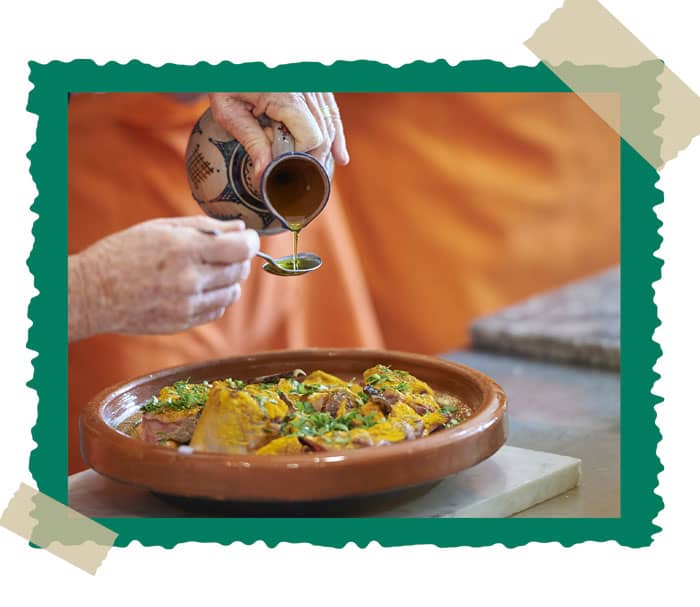
At the heart of Moroccan fusion cuisine lies a deep respect for traditional flavors and cooking techniques. Moroccan food is famous for its bold and aromatic spices, which form the foundation of many classic dishes. Ingredients like cumin, paprika, cinnamon, saffron, ginger, and turmeric are carefully combined with fresh herbs such as cilantro, parsley, and mint to create layers of complex flavors.
Staple ingredients also include preserved lemons, olives, dates, almonds, and argan oil. These ingredients not only add unique tastes but also carry centuries of culinary tradition. For instance, preserved lemons lend a tangy brightness to slow-cooked tagines, while argan oil adds a nutty richness to both savory dishes and desserts.
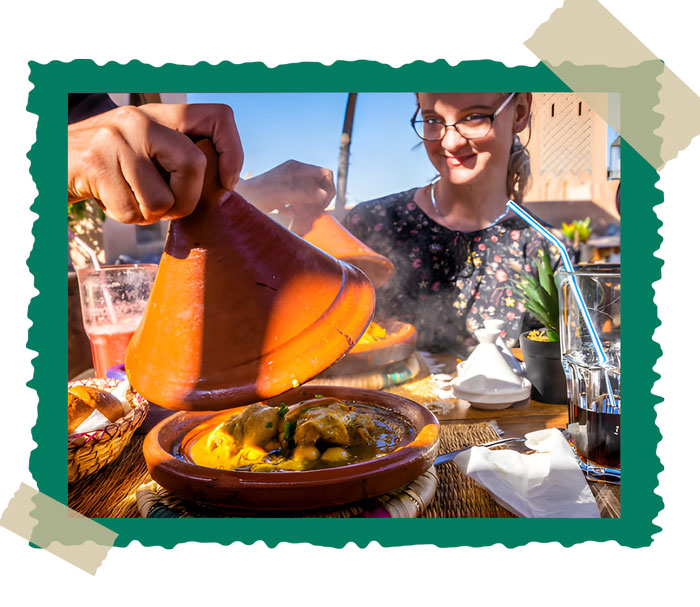
Traditional Moroccan cooking techniques are equally important. Slow cooking in clay tagines, open-fire roasting, and steaming couscous are methods designed to maximize flavor and texture. The careful balance of heat, time, and seasoning in these techniques is what gives Moroccan dishes their signature depth and aroma.
Understanding these foundational flavors and techniques is essential for anyone exploring Moroccan fusion cuisine. Modern chefs and home cooks alike draw inspiration from these traditions, reimagining them in contemporary dishes that appeal to new tastes while preserving the soul of Moroccan cooking.
Influences Driving Moroccan Fusion
The rise of Moroccan fusion cuisine is not happening in isolation—it is shaped by a combination of historical, cultural, and modern influences that converge to create a truly global culinary movement. Understanding these factors helps explain why traditional Moroccan dishes are evolving in exciting and innovative ways.
1. Global Culinary Trends
In the past decade, the global appetite for fusion cuisine has grown exponentially. International flavors and cooking techniques are now celebrated worldwide, inspiring Moroccan chefs to experiment beyond their traditional repertoire. For instance, Asian ingredients like soy sauce, miso, or lemongrass are now being paired with classic Moroccan spices to create unexpected flavor profiles. Similarly, European techniques, such as sous-vide cooking or delicate pastry work, are being applied to Moroccan classics like lamb tagine or almond-based desserts.
2. Influence of Tourism
Morocco is a top destination for travelers seeking rich cultural experiences, and its cuisine plays a central role in this attraction. Tourists from Europe, North America, and Asia often seek familiar elements in local food while still wanting an authentic Moroccan experience. This demand has encouraged chefs to innovate, introducing Moroccan fusion dishes that balance the comfort of global flavors with the exotic appeal of local spices. For example, a Moroccan-inspired pizza topped with merguez sausage and preserved lemon is designed to delight international palates while staying true to Moroccan roots.
3. Moroccan Diaspora and Cross-Cultural Exposure
Moroccans living abroad have become ambassadors for their cuisine, experimenting with local ingredients and modern cooking styles in their adopted countries. These experiences often lead to creative reinterpretations of traditional recipes, which are then reintroduced back in Morocco. Think of couscous bowls with quinoa and roasted vegetables, or pastilla-inspired tacos—dishes that blend Moroccan ingredients with global formats.
4. Local Culinary Innovation and Young Chefs
A new generation of Moroccan chefs is pushing boundaries by attending international culinary schools and working in world-class kitchens abroad. They return home with a desire to honor traditional flavors while exploring global trends. Restaurants in Marrakech, Casablanca, and Rabat now offer tasting menus where saffron, cinnamon, and preserved lemons are paired with foie gras, truffle, or miso, exemplifying the fusion of Moroccan heritage and contemporary techniques.
5. Ingredient Availability and Experimentation
Modern Moroccan markets are more connected than ever. Ingredients that were once rare, like exotic mushrooms, artisanal cheeses, or imported seafood, are now widely available. This accessibility allows chefs to experiment, combining traditional Moroccan elements with international ingredients, creating bold dishes that surprise and delight diners.
In essence, Moroccan fusion cuisine thrives at the intersection of history, global trends, tourism, and innovation. It is a dynamic culinary movement, continuously evolving while staying deeply rooted in Morocco’s rich gastronomic heritage.
Notable Moroccan Fusion Dishes
Moroccan fusion cuisine is not just a concept—it comes alive in the inventive dishes being served in restaurants, cafes, and even home kitchens across Morocco. Chefs are reimagining traditional recipes, blending Moroccan spices and ingredients with global techniques, creating a culinary experience that is both familiar and surprising.
1. Modern Twists on Classic Dishes
-
Tagine Tacos: Traditional slow-cooked lamb or chicken tagine, seasoned with saffron, cinnamon, and preserved lemons, is served in a soft tortilla with fresh herbs and a zesty sauce. This dish combines Moroccan depth of flavor with the casual appeal of Mexican street food.
-
Couscous Salad Bowls: Classic couscous is paired with superfoods like quinoa, roasted seasonal vegetables, and international dressings such as tahini or miso vinaigrette. This reinvention appeals to health-conscious diners while preserving Moroccan aromatics.
-
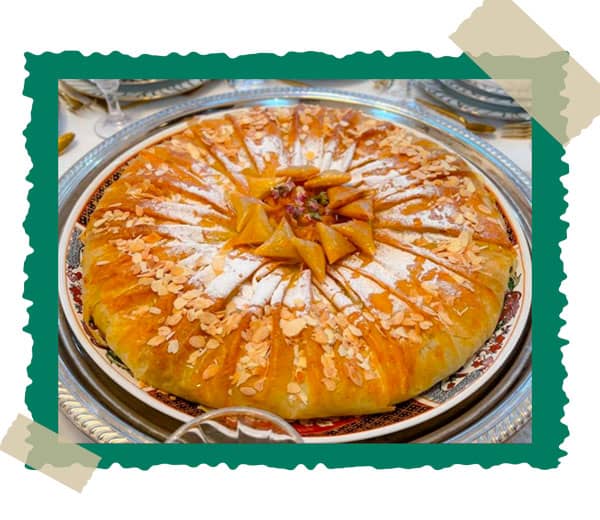
Pastilla-Inspired Appetizers: Mini pastillas, traditionally a sweet-and-savory pigeon pie, are now served as bite-sized hors d’oeuvres with fillings like smoked salmon, cream cheese, or truffle, offering a contemporary take on a classic dessert-savory hybrid.
2. Moroccan-Flavored International Dishes
-
Moroccan-Spiced Burgers: Ground lamb or beef seasoned with ras el hanout and served with preserved lemon aioli, combining Moroccan spices with the globally loved burger format.
-
Pizza with a Moroccan Twist: Thin-crust pizza topped with merguez sausage, olives, roasted peppers, and a sprinkle of coriander, blending Mediterranean flavors with Italian techniques.
-
Sushi and Moroccan Flavors: Chefs have experimented with sushi rolls featuring preserved lemon, roasted eggplant, or Moroccan-spiced seafood, merging Japanese precision with Moroccan boldness.
3. Dessert Innovations
-
Argan Oil Chocolate Truffles: Traditional Moroccan argan oil is used in rich chocolate truffles, giving a nutty twist to a universally loved dessert.
-
Date and Almond Cheesecakes: Classic Moroccan ingredients like dates, almonds, and orange blossom water are incorporated into Western-style desserts, creating elegant fusion sweets.
-
Spiced Moroccan Ice Creams: Flavors such as saffron, rose, or cinnamon are infused into gelato or sorbet, offering a refreshing modern take on Moroccan taste profiles.
4. Leading Restaurants and Chefs
-
Marrakech’s Modern Fine Dining: Restaurants like Nomad and Al Fassia have gained international recognition for their innovative approaches, blending traditional recipes with global culinary techniques.
-
Casablanca’s Fusion Cafes: Cafes and bistros in Casablanca offer Moroccan-inspired brunches, desserts, and tapas, often using fusion as a way to attract younger, trend-focused diners.
-
Home Chefs and Culinary Influencers: Social media has played a major role, with Moroccan chefs sharing fusion recipes online, inspiring home cooks to experiment with Moroccan flavors in new formats.
These dishes exemplify the creativity, boldness, and versatility of Moroccan fusion cuisine. They demonstrate how traditional flavors can be reimagined while maintaining authenticity, appealing to both local and international palates.
Discover the Magic of Moroccan Fusion Cuisine!
Discover the magic of Moroccan fusion cuisine, where tradition meets modern creativity in every bite. From experimenting with spices and preserved lemons at home to dining in Morocco’s most innovative restaurants, there’s a world of flavor waiting to be explored. Follow local chefs, get inspired, and start your Moroccan culinary journey today!
The Role of Social Media and Culinary Shows
The rise of Moroccan fusion cuisine has been greatly amplified by the power of social media and culinary television. Platforms like Instagram, TikTok, and YouTube allow chefs and food enthusiasts to showcase visually stunning dishes to a global audience, creating both inspiration and demand for innovative Moroccan flavors.
1. Social Media Influence
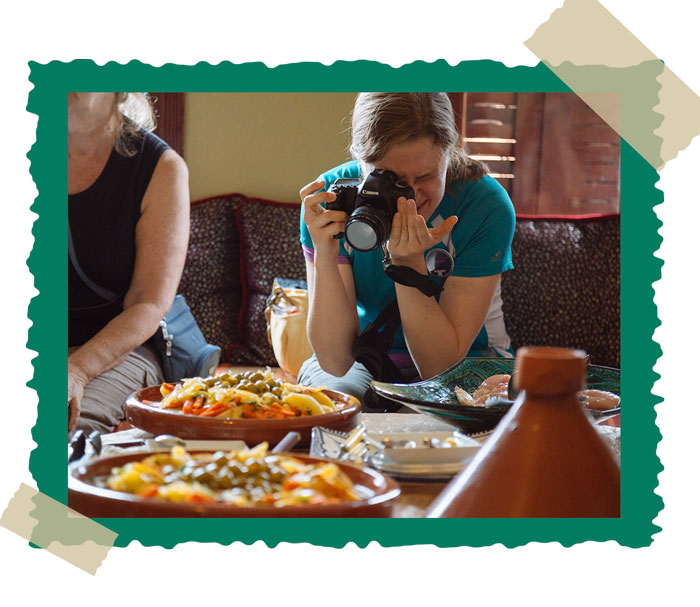
Food photography and short video content have made Moroccan fusion dishes instantly shareable. Vibrant tagine tacos, couscous salads with exotic twists, and Moroccan-inspired desserts are often featured with hashtags like #MoroccanFusion or #ModernMoroccanCuisine. This exposure not only attracts tourists but also inspires local chefs to experiment with traditional dishes in visually striking ways. Social media acts as a bridge between Morocco’s culinary heritage and contemporary global trends, making fusion cuisine more accessible than ever.
2. Culinary Shows and International Recognition
Television programs and streaming platforms have played a significant role in showcasing Moroccan fusion to a broader audience. Shows featuring international chefs visiting Morocco, or Moroccan chefs competing on global platforms, highlight the country’s evolving culinary scene. Dishes like Moroccan-spiced sushi or argan-oil desserts often become talking points, encouraging viewers to try or replicate them at home.
3. Impact on Restaurants and Food Tourism
Restaurants are now designing dishes not only for taste but also for presentation, knowing that a visually appealing Moroccan fusion dish can go viral online. This has created a new niche within Morocco’s food tourism industry, attracting travelers eager to experience modern interpretations of traditional cuisine. Food bloggers and influencers often feature fusion dishes, boosting the profiles of both chefs and the restaurants they represent.
4. Inspiring Home Cooks
Social media also empowers home cooks to explore Moroccan fusion cuisine themselves. Recipes for Moroccan-inspired tacos, pizzas, and desserts are widely shared, encouraging experimentation with local ingredients. This trend fosters a culture of creativity that extends Moroccan culinary traditions into everyday life.
Through social media and culinary shows, Moroccan fusion cuisine has evolved from niche experimentation into a widely celebrated movement. It connects tradition with modernity, local flavors with international trends, and chefs with a global audience eager to discover the magic of Moroccan cooking.
Challenges in Moroccan Fusion Cuisine
While Moroccan fusion cuisine is celebrated for its creativity and global appeal, it also faces several challenges that chefs and culinary innovators must navigate. Balancing tradition with modernity is a delicate process, and the journey is not always straightforward.
1. Maintaining Authenticity vs. Innovation
One of the main challenges is preserving the essence of traditional Moroccan dishes while introducing new flavors or techniques. Some chefs struggle with how much they can experiment without losing the authenticity that makes Moroccan cuisine unique. For example, over-spicing a delicate tagine or radically altering a classic pastry can risk alienating diners who expect the original flavors.
2. Ingredient Availability
Fusion dishes often require international or specialty ingredients that may not be easily accessible in Morocco, particularly outside major cities. Imported items like artisanal cheeses, exotic herbs, or certain seafood may be expensive or seasonal, making it challenging for restaurants to maintain consistency in their fusion offerings.
3. Criticism from Culinary Purists
Traditionalists sometimes view Moroccan fusion cuisine with skepticism, arguing that the experimentation dilutes Morocco’s rich culinary heritage. Chefs must navigate this tension, balancing respect for historical recipes with the desire to innovate.
4. Meeting Global Palates
Moroccan flavors are bold and complex, which may not always align with international taste preferences. Fusion chefs must carefully adapt dishes so they appeal to global diners without compromising the signature Moroccan taste. For instance, reducing the intensity of spices to suit Western palates can sometimes diminish the authentic experience.
5. Maintaining a Consistent Brand
Restaurants focusing on Moroccan fusion cuisine must also build a cohesive identity that resonates with their audience. It’s a challenge to offer a menu that is both adventurous and approachable, particularly when presenting classic dishes in modern formats.
Despite these challenges, the growing popularity of Moroccan fusion cuisine shows that innovation, when balanced with respect for tradition, can thrive. Chefs who successfully navigate these obstacles are helping to redefine Morocco’s culinary identity on the global stage.
The Future of Moroccan Fusion Cuisine
The future of Moroccan fusion cuisine looks vibrant and full of potential, as chefs, home cooks, and food enthusiasts continue to explore innovative ways to combine tradition with global culinary trends.
1. Trends in Fine Dining and Casual Eats
High-end restaurants are increasingly experimenting with tasting menus that showcase Moroccan flavors in unexpected formats, such as saffron-infused risottos or tagine-inspired amuse-bouches. At the same time, casual dining and street food vendors are introducing fusion dishes like Moroccan-spiced wraps, flatbreads, and bowls, making this cuisine accessible to a broader audience.
2. International Expansion
Moroccan fusion cuisine is gaining recognition beyond Morocco’s borders. International chefs and Moroccan diaspora communities are introducing fusion dishes in cities like London, Paris, New York, and Dubai, increasing global awareness of Morocco’s culinary creativity. This trend may lead to Moroccan fusion being featured in international food festivals, culinary awards, and gourmet cookbooks.
3. Culinary Education and Innovation
Culinary schools in Morocco and abroad are incorporating fusion techniques and modern Moroccan recipes into their programs. This encourages young chefs to experiment responsibly, blending local ingredients with global techniques while respecting the essence of Moroccan gastronomy.
4. Sustainability and Local Sourcing
Future Moroccan fusion cuisine may also focus on sustainability, highlighting locally sourced and seasonal ingredients. Chefs are increasingly interested in promoting Moroccan produce, spices, and oils in creative ways that reduce waste and support local farmers, all while maintaining bold, fusion-forward flavors.
5. Digital Influence and Home Cooking
Social media, blogs, and cooking apps will continue to democratize fusion cuisine, allowing home cooks to experiment with Moroccan flavors. This will help Moroccan fusion evolve organically, with ideas flowing between professional kitchens and home tables.
In essence, the future of Moroccan fusion cuisine is a blend of innovation, tradition, and global influence. It is poised to expand internationally, inspire new culinary techniques, and continue evolving as chefs push the boundaries of flavor while celebrating Morocco’s rich gastronomic heritage.
Conclusion
Moroccan fusion cuisine represents a remarkable journey of culinary evolution, where centuries-old traditions meet modern creativity. By blending classic Moroccan ingredients—like saffron, preserved lemons, and argan oil—with international techniques and flavors, chefs are crafting dishes that honor the past while appealing to contemporary palates.
This fusion movement is more than just food; it’s a cultural dialogue. It bridges Morocco’s rich culinary heritage with global trends, reflecting the country’s openness, adaptability, and innovation. From high-end restaurants in Marrakech to home kitchens experimenting with Moroccan-inspired tacos or desserts, fusion cuisine is making Moroccan flavors more accessible, exciting, and internationally recognized.
As the world becomes increasingly connected, the possibilities for Moroccan fusion cuisine are endless. It is a celebration of creativity, tradition, and global culinary exploration—proving that Moroccan food can evolve while staying true to its roots. For anyone interested in flavors that are bold, aromatic, and endlessly inventive, Moroccan fusion cuisine offers a journey worth tasting.