

Moroccan Breakfasts: A Delicious Start to Every Day
Breakfast in Morocco is more than just the first meal of the day—it’s a celebration of flavors, colors, and culture. From the bustling streets of Marrakech to the serene villages of the Atlas Mountains, Moroccans take pride in starting their day with a breakfast that balances sweet, savory, and aromatic elements.
Unlike some cultures where breakfast is quick and simple, Moroccan breakfasts are often leisurely affairs, offering a chance to gather with family, enjoy freshly baked breads, and sip on the country’s famous mint tea. Whether it’s a flaky msemmen stuffed with honey, a soft khobz dipped in olive oil, or a steaming cup of Moroccan coffee, each bite tells a story of tradition and culinary artistry.
For travelers, tasting Moroccan breakfasts is a window into the country’s soul—every dish reflects centuries of history, regional diversity, and the warm hospitality Morocco is known for.
Traditional Moroccan Breakfast Staples
Moroccan breakfasts are centered around a few key staples that vary slightly by region but share common flavors and textures. These dishes are often simple, fresh, and designed to be shared with family or friends.
1. Bread Varieties
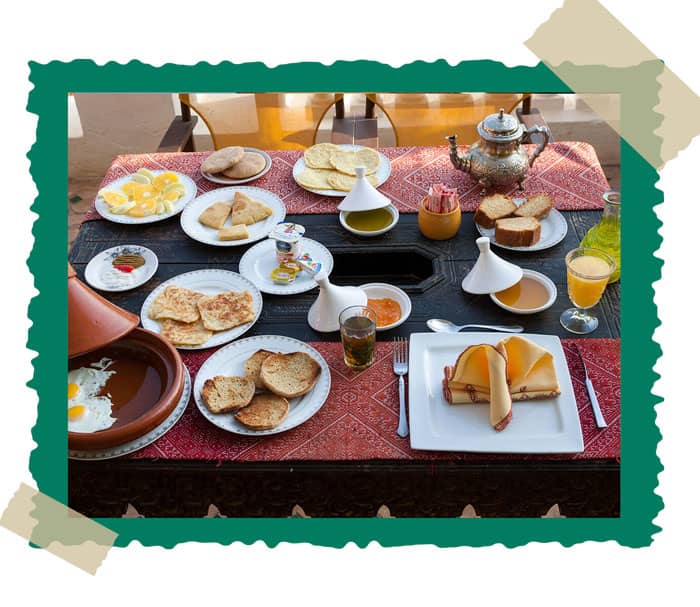
Bread is the cornerstone of any Moroccan breakfast, and there’s incredible variety:
-
Khobz – A round, rustic loaf with a slightly crisp crust and soft interior, perfect for dipping in olive oil, honey, or jams.
-
Msemmen – Square, flaky pancakes, often layered and pan-fried. Served plain, stuffed with honey or butter, or even with a bit of cheese.
-
Baghrir – Also known as “thousand-hole pancakes,” these spongy pancakes are light, airy, and ideal for soaking up butter and honey.
2. Dairy and Spreads
Moroccan breakfasts are often paired with rich, flavorful spreads:
-
Amlou – A unique Moroccan spread made from almonds, argan oil, and honey, providing a nutty and sweet flavor.
-
Jben – Fresh Moroccan cheese, mild and creamy, often served alongside olives and bread.
-
Butter and honey – Essential accompaniments for bread and pancakes.
3. Olives and Preserves
Olives are a staple of Moroccan cuisine, adding salty richness to breakfast:
-
Green and black olives, often marinated with spices and herbs.
-
Preserves and jams made from local fruits, offering sweet balance to savory items.
4. Egg Dishes
Eggs are common, but often with a Moroccan twist:
-
Bissara – A creamy fava bean puree that may be enjoyed in the morning, sometimes served with a poached egg on top.
-
Spiced or scrambled eggs – Often cooked with herbs, garlic, and sometimes preserved meats like khlea.
-
Regional variations may include eggs baked with tomatoes, peppers, or onions.
Tip for travelers: Moroccan breakfasts are highly customizable, and locals often encourage visitors to try a little of everything—from bread and spreads to olives and eggs—to experience the full range of flavors.
Beverages to Start the Day
A Moroccan breakfast isn’t complete without the drinks that accompany it. Beverages are essential not only for flavor but also for social interaction and tradition.
1. Traditional Moroccan Tea
-
Moroccan Mint Tea (Atay): The quintessential morning drink, made from green tea, fresh mint leaves, and generous sugar.
-
Preparation and Ritual: Tea is often poured from a height to create a frothy top, symbolizing hospitality. It’s a ritual that encourages slowing down, savoring the moment, and connecting with others.
-
Cultural Significance: Mint tea is more than a beverage—it’s a symbol of Moroccan warmth and welcome, served in homes, cafés, and even during street-side breakfasts.
2. Coffee and Other Morning Drinks
-
Spiced Coffee: Often infused with cinnamon or cardamom, Moroccan coffee offers a richer, aromatic alternative to plain espresso.
-
Café au Lait: Popular in urban areas, often served alongside pastries or bread.
-
Fresh Juices: Locally squeezed orange juice is a morning favorite, especially in coastal regions where citrus is abundant. Other fruits like pomegranate and melon may also be offered seasonally.
Tips for Travelers:
-
Try pairing moroccan mint tea with a flaky msemmen or a slice of khobz for the authentic morning experience.
-
Street cafés and riads often allow visitors to watch tea preparation, providing a cultural immersion along with the flavors.
Regional Variations in Breakfast
Moroccan breakfasts are not one-size-fits-all. Each region offers its own unique twist, influenced by geography, climate, and local ingredients. Traveling through Morocco is like taking a culinary journey, where each morning promises a new combination of flavors, textures, and aromas.
1. Northern Morocco
Regions: Tangier, Chefchaouen, Tetouan
Characteristics: Hearty yet fresh, blending Mediterranean flavors with traditional Moroccan staples.
Typical Breakfast Items:
-
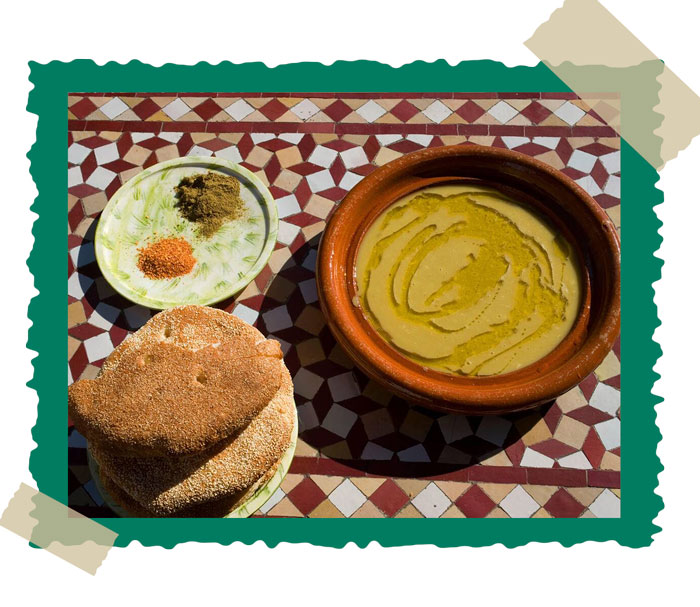
Bissara (Fava Bean Puree): Traditionally the first breakfast item in northern Morocco, bissara is a warm, creamy fava bean soup, often drizzled with olive oil and sprinkled with paprika or cumin. It provides a nourishing start to the day, especially in the cooler mornings of the north.
-
Bread (Khobz): Served alongside bissara, this slightly sweet and soft bread is perfect for dipping and scooping the puree.
-
Seafood Influences: In coastal towns like Tangier, breakfasts may include smoked fish or small seafood pastries, adding a local coastal twist.
-
Fresh Fruits: Seasonal fruits such as oranges, pomegranates, and figs are enjoyed either as slices or pressed into fresh juice, reflecting the region’s Mediterranean climate.
-
Local Teas: Mint tea remains central, often sweeter than in other regions and sometimes infused with local herbs like wormwood or thyme.
Cultural Note: Northern breakfasts are balanced to provide energy for outdoor labor, such as fishing, farming, or market visits. Starting with bissara ensures a hearty yet light beginning, while fresh fruits and bread complement the meal without feeling heavy.
🍴 Experience the Magic of Moroccan Breakfasts!
Discover the best cafés, riads, and street breakfasts across the country—or bring the flavors home with msemmen, baghrir, and amlou. Tried a Moroccan breakfast? Share your favorite dish in the comments!
Don’t miss out on the flavors of Morocco—your perfect morning starts here!
2. Atlas Mountains
Regions: Middle and High Atlas (Imlil, Azilal, Oukaimeden)
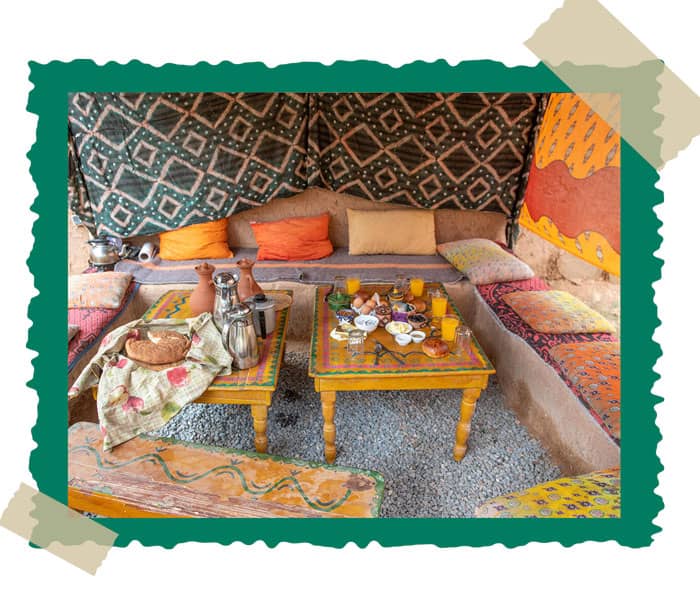
Characteristics: Hearty, rustic, and nutrient-dense, designed to sustain mountain work and chilly mornings.
Typical Breakfast Items:
-
Amlou and Msemmen: Thick almond and argan oil spread on layered pancakes, providing high energy for cold mornings.
-
Bissara: A thick fava bean puree, spiced with paprika and cumin, often eaten with a drizzle of olive oil and a slice of rustic bread.
-
Fresh mountain cheeses: Homemade cow or goat cheese, slightly tangy, paired with bread or honey.
-
Herbal teas: Made from local mountain herbs such as thyme, sage, or verbena, giving a fragrant start to the day.
Cultural Note: Breakfasts here are social events; families gather early to share a substantial meal before heading out to tend livestock or work the terraces. The food is hearty, designed to keep the body warm and energized for outdoor tasks.
3. Southern Morocco and the Sahara
Regions: Marrakech, Ouarzazate, Zagora, Merzouga
Characteristics: Sweet, rich, and high-energy, reflecting the desert climate and long days ahead.
Typical Breakfast Items:
-
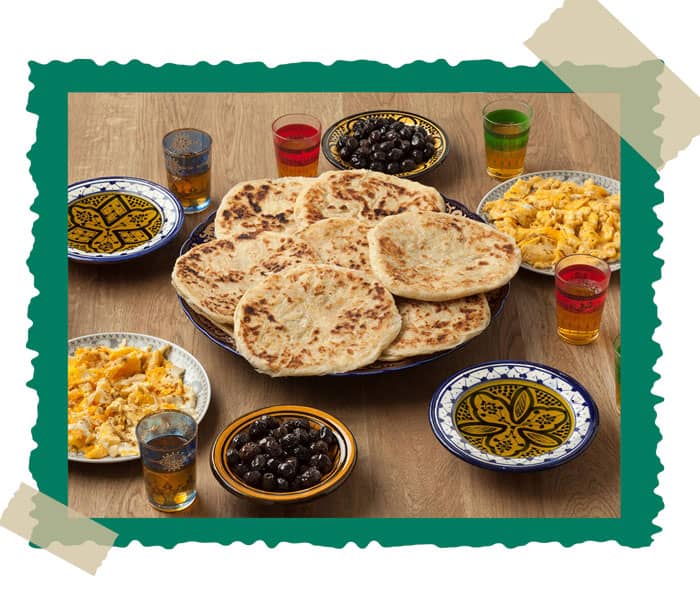
Dates and nuts: Packed with natural sugars and protein, often paired with bread or honey for sustained energy.
-
Sweet pastries: Local treats like chebakia (sesame and honey cookies) or almond-stuffed pastries are common.
-
Khlea with eggs: Preserved meat sautéed with eggs provides a protein-rich start to the day.
-
Beverages: Mint tea remains central, often accompanied by freshly squeezed orange juice, sometimes blended with local pomegranate or grapefruit.
Cultural Note: In desert areas, breakfasts are designed to energize before long walks, camel rides, or work in extreme heat. Sweet and protein-rich items balance energy needs with local tastes.
4. Urban vs. Rural Differences
Urban Areas: Cafés, hotels, and modern bakeries in Marrakech, Rabat, or Casablanca may offer fusion breakfasts—Moroccan-style shakshuka, pancakes with argan honey, or continental spreads alongside traditional breads. The presentation is often elaborate, catering to tourists and city dwellers.
Rural Areas: Villages and Berber homes focus on simplicity and authenticity: freshly baked bread from communal ovens, homemade cheese, seasonal fruits, and herbal teas. Meals are hearty but unpretentious, highlighting local produce.
Cultural Insight: Experiencing a rural breakfast offers a glimpse into Moroccan daily life—guests may be invited into a family home, taste freshly baked bread straight from the oven, and learn recipes passed down for generations.
Travel Tip: To truly understand Moroccan breakfasts, try both urban and rural experiences. Start with a café in Marrakech for ambiance, then venture to a village in the Atlas or Sahara for an authentic, home-cooked morning feast. The contrast highlights Morocco’s incredible culinary diversity.
Modern Twists on Moroccan Breakfasts
While traditional Moroccan breakfasts remain the heart of the cuisine, contemporary chefs and cafés have begun experimenting, creating exciting modern variations that merge tradition with global flavors. These innovations appeal to locals, tourists, and food enthusiasts looking for a fresh morning experience.
1. Moroccan Fusion Breakfasts in Cafés
-
Shakshuka with a Moroccan Twist: Traditionally a North African dish, some cafés now serve shakshuka with added Moroccan spices like ras el hanout, preserved lemons, or merguez sausage.
-
Pancakes and Waffles: Sweet pancakes topped with amlou, honey, and roasted almonds combine international breakfast trends with local flavors.
-
Breakfast Bowls: Inspired by health-conscious trends, these bowls mix Moroccan ingredients such as dates, figs, nuts, and yogurt with granola or fresh fruits.
Cultural Insight: These dishes show how Moroccan cuisine can adapt to modern tastes without losing its essence. They reflect the country’s creativity and openness to culinary fusion.
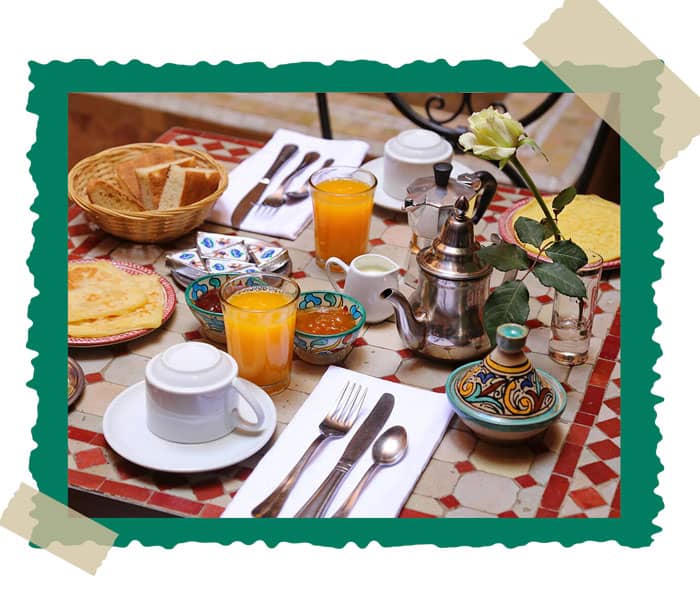
2. Riads and Boutique Hotels
-
Many riads and boutique hotels in cities like Marrakech, Fes, and Chefchaouen serve breakfast in charming courtyards or terraces, blending traditional breads and spreads with contemporary presentation.
-
Guests may enjoy khobz alongside freshly pressed juices, fruit platters, Moroccan pastries, and artisan teas.
-
Some establishments offer cooking demonstrations, allowing visitors to learn to make msemmen, baghrir, or amlou.
3. Street Food Meets Innovation
-
In busy city streets, modern street vendors sometimes offer creative twists, such as stuffed msemmen with chocolate or cheese, or khobz sandwiches with spiced eggs and vegetables.
-
These options appeal to younger generations and travelers looking for quick yet flavorful breakfasts.
4. Instagram-Worthy Breakfasts
-
Visual presentation is becoming a trend in urban Moroccan cafés.
-
Colorful fruit platters, layered pastries, and frothy mint teas are designed to delight both taste buds and cameras.
-
Even traditional items like baghrir or amlou are served with modern plating and garnishes to create a memorable experience.
Travel Tip:
For travelers, trying modern Moroccan breakfasts is a way to enjoy familiar dishes with a twist while still experiencing authentic flavors. Urban cafés and boutique hotels provide a perfect mix of tradition, innovation, and aesthetics.
Where to Experience Authentic Moroccan Breakfasts
To truly appreciate Moroccan breakfasts, experiencing them in the right setting is key. From bustling streets to serene riads, each location offers a unique flavor of Moroccan morning life.
1. Street Food Breakfasts in the Medinas
-
Where: Fes, Marrakech, Chefchaouen, and Tangier medinas.
-
What to Expect: Small food stalls offering msemmen, baghrir, khobz, and fresh mint tea.
-
Cultural Experience: Eating in a medina is lively and immersive. You can watch breads being freshly baked in wood-fired ovens, interact with local vendors, and enjoy breakfast among locals starting their day.
-
Popular Items: Flaky msemmen with honey, khobz with olive oil and cheese, and mint tea poured from a height to create froth.
2. Traditional Riads and Guesthouses
-
Where: Marrakech, Fes, Essaouira, Chefchaouen.
-
What to Expect: Courtyard or rooftop breakfast settings, often accompanied by stunning views.
-
Breakfast Spread: Freshly baked breads, homemade jams, amlou, cheeses, seasonal fruits, pastries, and mint tea. Some riads also serve eggs or regional specialties.
-
Cultural Experience: Riads provide an intimate and peaceful setting, allowing guests to experience Moroccan hospitality and learn about traditional breakfast preparations.
3. Urban Cafés and Modern Establishments
-
Where: Casablanca, Rabat, Marrakech, and Tangier.
-
What to Expect: Cafés blending traditional Moroccan foods with contemporary breakfast trends.
-
Breakfast Spread: Moroccan fusion shakshuka, pancakes with argan honey, breakfast bowls with dates and nuts, freshly squeezed juices, and artisan coffee.
-
Cultural Experience: These spots are ideal for travelers who want a comfortable, modern breakfast environment while still sampling authentic Moroccan flavors.
4. Hidden Gems and Local Homes
-
Where: Villages in the Atlas Mountains, small towns in southern Morocco.
-
What to Expect: Home-cooked breakfasts with local breads, cheeses, spreads, and herbal teas.
-
Cultural Experience: Visiting a local home offers a rare glimpse into Moroccan daily life. Guests may even participate in bread-making or tea preparation, creating a memorable, hands-on experience.
Travel Tip: To fully experience Moroccan breakfasts, plan to mix street, riad, café, and home-style experiences. Each setting offers different textures, flavors, and cultural insights, making breakfast an unforgettable part of your Moroccan journey.
Conclusion: The Heart of Moroccan Morning Cuisine
Moroccan breakfasts are more than just a meal—they are a reflection of the country’s history, diversity, and vibrant culture. From the flaky msemmen of urban cafés to the hearty bissara in Atlas villages, each breakfast tells a story of local traditions, regional flavors, and centuries of culinary craftsmanship.
Starting your day in Morocco with a traditional breakfast is an invitation to experience the warmth of Moroccan hospitality. The combination of freshly baked breads, rich spreads like amlou, seasonal fruits, flavorful eggs, and the signature mint tea creates a sensory journey unlike any other.
Whether you are wandering the medinas of Fes, sipping tea in a serene riad, or enjoying a modern fusion breakfast in Marrakech, each morning meal offers insight into Moroccan life and a taste of the country’s soul. Exploring Moroccan breakfasts is not just about food—it’s about connecting with people, traditions, and a culture that values the joy of starting each day with flavor and community.
Final Thought: For travelers and food lovers alike, embracing Moroccan breakfasts is an essential part of discovering the heart of Morocco—every bite offers history, culture, and unforgettable taste.