
Taste the Freshest Fish Straight in Morocco for Food Lovers
Morocco’s Coastal Treasure: Where Fresh Fish Comes From
Morocco is a country kissed by the waters of both the Atlantic Ocean and the Mediterranean Sea, giving it one of the richest and most diverse coastlines in Africa. From the bustling fishing ports of Casablanca and Agadir to the charming seaside town of Essaouira, Morocco offers a seafood experience like no other.
Every day, local fishermen set out in traditional boats at dawn, bringing back a bounty of fresh fish that is sold in vibrant markets or served straight in coastal restaurants. Walking through these markets, you’ll be greeted by the smell of the ocean, the sight of glistening sardines, sea bass, mackerel, and tuna, and the lively calls of vendors ready to share their catch of the day.
Whether you’re strolling along the harbor in Tangier or watching the sunset over the waves in Agadir, Morocco’s coasts are more than just scenic; they are living, breathing sources of some of the freshest fish you will ever taste. For food lovers and travelers alike, experiencing Morocco’s coastal treasures is an essential part of any visit.
Why Morocco is a Seafood Lover’s Dream
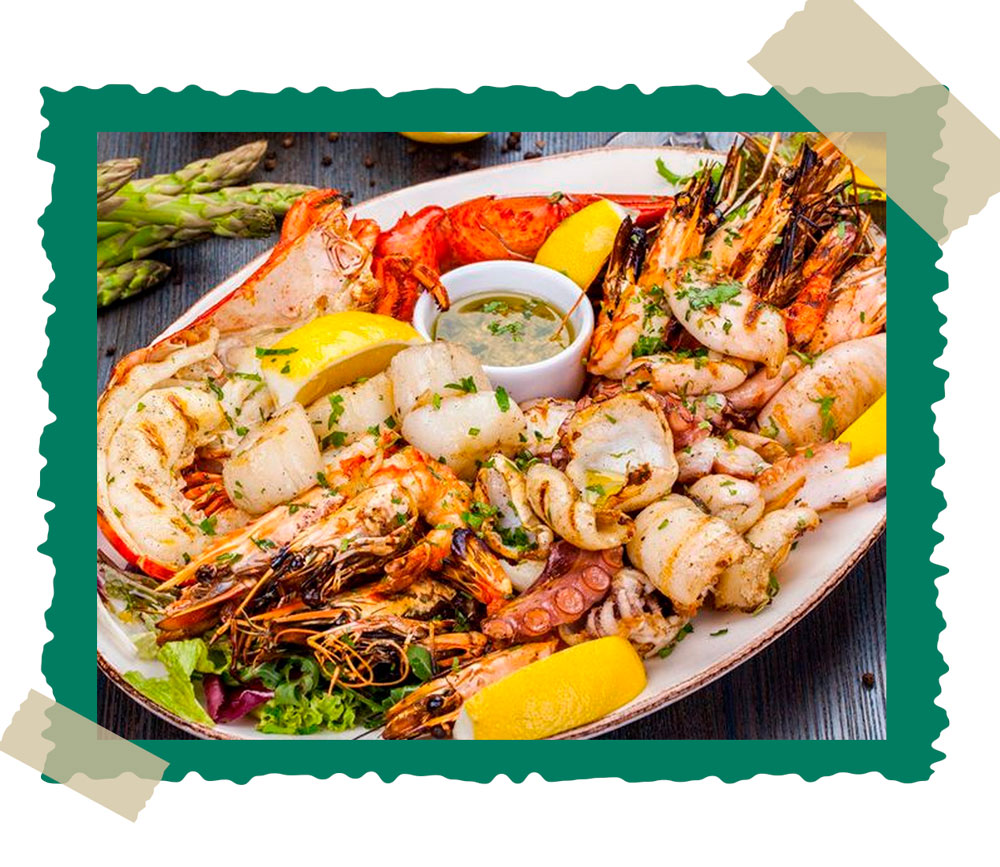
For food lovers, Morocco is nothing short of a paradise. The country’s unique geographical position means that it enjoys access to an incredible variety of fresh fish and seafood, caught daily from both the Atlantic and Mediterranean waters. Sardines, sea bass, mackerel, tuna, and even octopus and calamari fill the markets, offering flavors that are impossible to replicate anywhere else.
What sets Moroccan seafood apart is not just its freshness but the way it’s prepared. Infused with traditional spices, herbs, and marinades, Moroccan fish dishes offer a perfect balance of flavor, aroma, and texture. Imagine biting into a perfectly grilled sardine seasoned with local herbs, or savoring a tender fish tagine slowly cooked with preserved lemons and olives; each dish is a testament to centuries of coastal culinary tradition.
Whether you are a casual traveler or a dedicated foodie, tasting Moroccan seafood is an unforgettable experience. It’s not just about the food on your plate; it’s about the vibrant culture, the bustling markets, and the centuries-old traditions that make every bite truly special.
Iconic Moroccan Fish Dishes You Must Try
Moroccan cuisine turns fresh fish into a feast for the senses, combining vibrant flavors, aromatic spices, and centuries-old traditions. Here are some must-try dishes for any seafood lover visiting Morocco:
- Tagine with Fish: A slow-cooked delight, often made with sea bass or sole, flavored with preserved lemons, olives, and a touch of saffron. Each region adds its own twist, making every tagine a unique experience.
- Grilled Sardines: A coastal classic, especially in Essaouira and Casablanca. Fresh sardines are marinated with local spices and grilled over open flames, served with warm bread and a drizzle of olive oil.
- Fish Pastilla: A sweet-and-savory pastry that surprises the palate. Flaky layers of dough encase spiced fish, almonds, and a hint of cinnamon, perfect for those seeking something truly Moroccan.
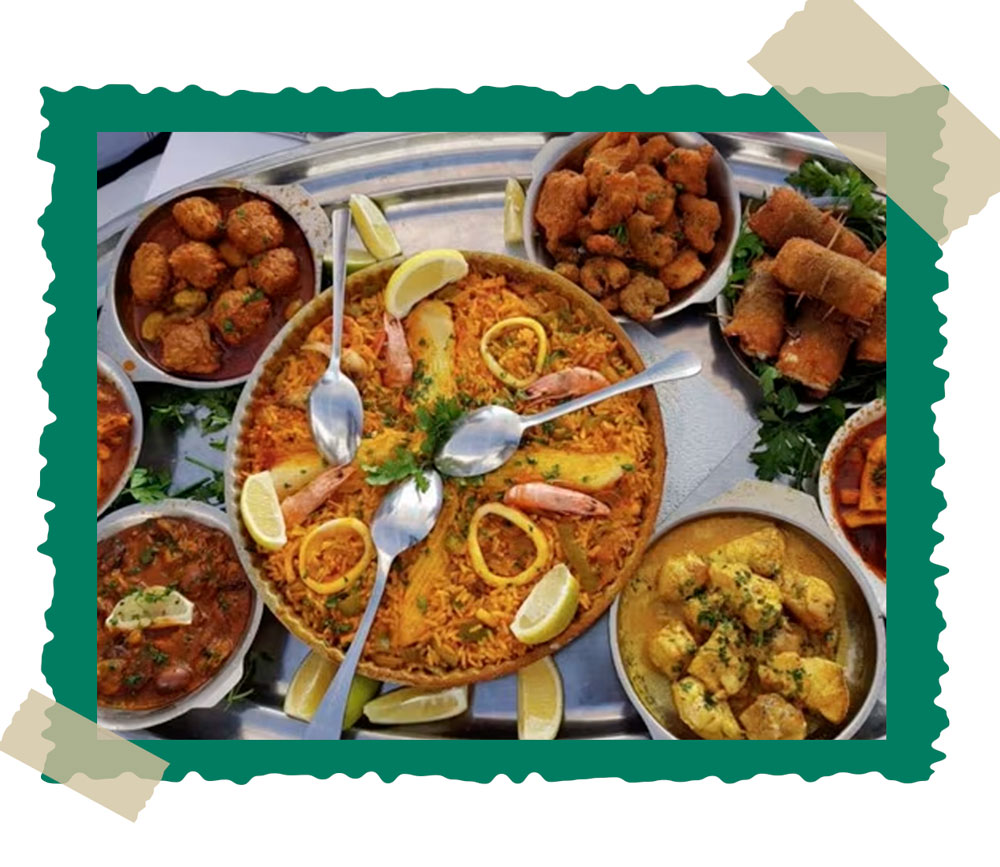
- Seafood Couscous: A celebration of the ocean, combining couscous with a medley of fresh fish, shrimp, and calamari, all lightly spiced and cooked to perfection.
Every dish tells a story of Morocco’s coastal heritage and culinary mastery. Sampling these dishes straight from the markets, seaside restaurants, or even a local’s home allows you to savor the freshest fish while experiencing the heart of Moroccan culture.
Experience a Moroccan Food Adventure!
Join our exclusive food tours and savor the freshest seafood, authentic tagines, and sweet treats straight from local markets. Taste, explore, and experience Morocco as a true foodie, your culinary journey of a lifetime starts here!”
Best Places to Enjoy Fresh Fish in Morocco
Morocco’s coastline is dotted with charming towns, bustling ports, and seaside restaurants that make tasting fresh fish an unforgettable experience. Here’s where to go for the ultimate seafood adventure:
- Essaouira: Known for its vibrant fishing port, Essaouira is famous for freshly grilled sardines served right by the ocean. Wander the harbor, watch the fishermen unload their catch, and pick a local eatery for an authentic taste.
- Agadir: A modern coastal city with sprawling seafood markets and beachfront restaurants. Here, you can enjoy everything from traditional fish tagines to contemporary seafood platters while watching the waves roll in.
- Casablanca: While famous for its urban vibe, Casablanca also offers excellent seafood spots. The Central Market and Corniche area is ideal for sampling fresh fish straight from the Atlantic.
- Tangier: At the crossroads of the Mediterranean and the Atlantic, Tangier offers a unique blend of flavors and fish varieties. Enjoy a fresh seafood feast with a view of the bustling port and the sparkling sea.
Tips for Choosing the Freshest Fish: Look for shiny, clear eyes, firm flesh, and a mild ocean scent. Ask the vendors or chefs about the catch of the day, and they’ll often guide you to the very freshest options.
Whether you prefer street-side stalls, lively markets, or elegant seaside restaurants, Morocco ensures that every seafood experience is both fresh and unforgettable.
Culinary Experiences for Tourists
For travelers who want more than just a meal, Morocco offers immersive culinary experiences that let you connect with its seafood culture firsthand.
Cooking Classes: Join a local chef in coastal towns like Essaouira or Agadir and learn to prepare iconic Moroccan fish dishes, from tangines to pastillas. You’ll not only master new recipes but also gain insight into the spices and techniques that make Moroccan cuisine unique.
Guided Food Tours: Explore bustling fish markets, street stalls, and seaside restaurants with a knowledgeable guide. Taste the freshest catches, hear stories from local fishermen, and discover hidden gems off the beaten path.
Seafood Festivals: Time your visit to coincide with coastal festivals celebrating the sea’s bounty. These events feature cooking demonstrations, tasting sessions, and a chance to experience Morocco’s vibrant seafood traditions alongside locals.
Hands-On Market Visits, Pick your own fish at the market and have it cooked on the spot at nearby stalls or restaurants, a true farm-to-table experience by the sea.
These experiences turn a simple meal into an unforgettable adventure. In Morocco, tasting seafood isn’t just about eating; it’s about immersing yourself in the culture, the people, and the coastal lifestyle that makes Moroccan fish so exceptional.
Tips for Food Lovers Visiting Morocco
To make the most of your seafood journey in Morocco, keep these tips in mind:
- Best Time to Visit – Spring (March to May) and fall (September to November) offer mild weather and abundant fresh catches along the coast.
- Ask for the Catch of the Day: Local restaurants often feature fish caught that very morning. Don’t hesitate to ask the chef for recommendations—you’ll get the freshest and most flavorful options.
- Pair Your Fish with Local Flavors: Moroccan seafood pairs beautifully with local accompaniments like fresh herbs, preserved lemons, olives, and traditional bread. For drinks, try mint tea, fresh orange juice, or a light Moroccan wine where available.
- Market Etiquette: When visiting fish markets, observe local customs. Smile, ask politely, and feel free to sample if offered; it’s part of the experience.
Embrace the Experience – Moroccan seafood is often best enjoyed outdoors, at the seaside, with the sounds of the waves and the bustling harbor around you. Be adventurous, try different dishes, and savor every bite.
With these tips, every meal becomes more than just food—it’s an authentic cultural experience that connects you to Morocco’s coastal heritage.
Conclusion
Morocco is more than just a travel destination; it’s a paradise for seafood lovers. From bustling fishing ports to charming seaside towns, from traditional fish markets to elegant coastal restaurants, the country offers an unforgettable journey from ocean to plate. Every bite of fresh fish tells a story of Morocco’s rich culinary heritage, vibrant culture, and breathtaking coastal landscapes.
So, if you’re a foodie seeking adventure, it’s time to let your taste buds set sail. Embark on a Moroccan culinary journey, savor the freshest fish straight from the sea, and create memories that will last a lifetime. Come taste Morocco, where every meal is a celebration of the ocean!
+212 600 000 000
WowMoroccoTours@gmail.com
The post Taste the Freshest Fish Straight in Morocco for Food Lovers appeared first on Wow Morocco Tours.
]]>
Places You Should Not Visit in Morocco – Where to Take Caution
Travel Smart in Morocco
Morocco is widely recognized as one of the safest and most welcoming travel destinations in North Africa, attracting millions of visitors every year. From historic cities and vibrant souks to breathtaking landscapes and coastal towns, the country offers an incredibly rich travel experience.
However, like any destination, certain places and situations may not be suitable for visitors, especially those unfamiliar with local conditions. This does not mean these areas are dangerous, but rather that they may present challenges such as limited infrastructure, restricted access, or higher risks if visited without proper planning.
This guide is designed to help travelers make informed decisions by highlighting locations and situations that are best avoided or approached with extra caution. By understanding where to go and where not to, you can enjoy Morocco more confidently, respectfully, and safely.
Traveling smart in Morocco is about preparation, awareness, and choosing experiences that match your comfort level. With the right knowledge, most trips to Morocco are not only safe but truly unforgettable.
Places to Avoid in Morocco
Restricted Border Areas
While Morocco is open and accessible to travelers, some border areas are subject to restrictions and are not intended for tourism. These zones are closely monitored and may have limited access due to security, administrative, or logistical reasons.
Travelers visiting or passing near border regions may encounter checkpoints, restricted roads, or areas where movement is limited. These locations generally lack tourist infrastructure such as accommodations, transport options, and emergency services, making them unsuitable for casual exploration.
Attempting to enter restricted border zones can lead to legal issues, delays, or fines. In some cases, travelers may be turned back or questioned by authorities, which can disrupt travel plans.
Travel tip:
Always follow official routes, respect posted signs, and rely on airports or authorized border crossings when traveling between countries. If in doubt, consult local authorities, your accommodation, or a licensed tour operator before approaching border regions.
Remote Desert Areas Without Local Guidance
Morocco’s desert landscapes are stunning, but not all desert areas are suitable for independent travel. Remote zones far from towns and main roads can be challenging even for experienced travelers, especially without proper preparation or local knowledge.
These areas often lack mobile phone coverage, clear signage, fuel stations, medical facilities, or immediate access to help. A minor issue, such as a vehicle breakdown or navigation error, can quickly turn into a serious situation due to distance and isolation.
Extreme temperatures, strong winds, and sudden sandstorms can also make travel unpredictable. For these reasons, exploring remote desert regions without experienced guidance is strongly discouraged.
Travel tip:
Stick to established routes and plan desert trips with licensed guides or reputable tour operators. Proper vehicles, communication equipment, and local expertise greatly reduce risks and allow you to enjoy the desert safely.
Poorly Lit or Isolated Urban Areas at Night
Moroccan cities are generally lively and safe, especially in central areas where tourism, dining, and nightlife are concentrated. However, like in any country, some urban zones are best avoided at night, particularly areas that are poorly lit, isolated, or far from main streets.
Outskirts of large cities, quiet residential neighborhoods, and abandoned industrial areas often lack proper lighting and security presence. These places may feel unfamiliar to visitors and can increase the risk of petty crime or uncomfortable encounters.
Most incidents involving tourists occur late at night when visibility is low, and foot traffic is minimal.
Travel tip:
Stay in well-lit, busy areas after dark, use taxis or ride services when moving at night, and ask your hotel or riad which neighborhoods are best avoided after sunset.

Explore Morocco Like Never Before with Wow Morocco Tours!
Discover the magic of Morocco safely and confidently with our expert guides. From bustling medinas and golden deserts to serene beaches and majestic mountains, Wow Morocco Tours brings you authentic experiences tailored to your interests. Book your adventure today and explore anywhere in Morocco with ease, comfort, and unforgettable memories!
Unregulated Tourist Stops and Roadside Scams
Along popular travel routes, some unofficial stops and attractions are designed specifically to target tourists. These places may appear as scenic viewpoints, roadside shops, or spontaneous “local experiences,” but often involve inflated prices, pressure to buy, or misleading information.
Travelers may be encouraged to stop unexpectedly, take photos, or enter shops without realizing there is an expectation to spend money. In some cases, individuals may claim a site is “closed” or “restricted” and redirect visitors elsewhere for personal gain.
While these encounters are usually harmless, they can be uncomfortable and disrupt the travel experience.
Travel tip:
Stick to planned stops recommended by your accommodation or tour operator, be cautious of unsolicited offers, and don’t feel obligated to buy anything. A polite but firm refusal is usually enough.
Non-Licensed Guides in Historic Areas
Exploring Morocco’s historic sites, like the medinas of Fes, Marrakech, or Essaouira, can be an unforgettable experience. However, not all guides you encounter are licensed or trustworthy. Hiring non-licensed guides can lead to misinformation, scams, or even uncomfortable situations.
Risks of Misinformation and Scams
Some unlicensed guides may exaggerate stories, provide inaccurate historical facts, or direct you to shops and businesses where they earn a commission. In worst-case scenarios, tourists have reported paying inflated prices or being pressured into unnecessary purchases.
Forced Shopping Stops and Hidden Costs
A common tactic involves taking tourists to “special” workshops, carpet stores, or artisan shops where the guide expects a tip or commission. While these stops may seem authentic, they can turn into unwanted shopping obligations, adding unexpected costs to your trip.
How to Identify Official, Licensed Guides
-
Check for credentials: Licensed guides usually carry an ID card issued by Moroccan authorities.
-
Book through official channels: Museums, riads, or tourist offices can recommend certified guides.
-
Look for reviews: Online platforms like TripAdvisor or Google Reviews can help verify a guide’s reputation.
-
Trust your instincts: If a guide pressures you into shopping or seems pushy, it’s okay to politely decline and walk away.
By choosing licensed guides, you not only ensure a more accurate and enriching experience but also support professionals who follow ethical standards in tourism.
Beaches Without Lifeguards or Warning Signs
Morocco’s coastline is stunning, from Agadir to Essaouira and beyond, but not all beaches are monitored or marked with safety signs. Enjoying these beaches safely requires extra caution.
Strong Currents in Some Coastal Areas
Certain stretches of Morocco’s Atlantic and Mediterranean coasts can have unexpectedly strong currents and waves, especially during the off-season or after storms. Even experienced swimmers can be caught off guard.
Swimming Outside Supervised Zones
Many popular beaches in Morocco have designated swimming areas, sometimes supervised by lifeguards. Venturing outside these zones increases the risk of accidents, as there may be hidden rocks, sudden drop-offs, or strong rip currents.
Importance of Respecting Local Advice and Flags
-
Observe warning signs and flags: Red flags usually indicate dangerous swimming conditions.
-
Ask locals for advice: Fishermen or nearby vendors often know which areas are safe.
-
Avoid swimming alone: Always go with a companion and stay within your limits.
By respecting local guidance and being mindful of potential hazards, you can enjoy Morocco’s beaches safely while soaking in their natural beauty.
Flood-Prone Valleys and Gorges During Rainy Seasons
Morocco’s mountainous and desert regions are breathtaking, but certain valleys and gorges can become extremely dangerous during the rainy season. Travelers often underestimate the risks posed by sudden flash floods.
Sudden Flash Floods in Mountain and Desert Valleys
Heavy rainfall in the Atlas Mountains or desert wadis can trigger flash floods that arrive with little warning. Even areas that appear dry and safe can turn into fast-flowing rivers within minutes, putting hikers and campers at serious risk.
Seasonal Risks Travelers Often Underestimate
Many visitors plan excursions to gorges like Todra or Dadès, or desert valleys near Merzouga, without realizing how quickly conditions can change. Floods may cut off paths, damage roads, or make camping unsafe, particularly during autumn and winter rains.
Checking Weather Conditions Before Excursions
- Monitor forecasts: Use reliable weather apps or ask local authorities before setting out.
- Avoid narrow valleys during heavy rain: Opt for higher ground or wait until conditions improve.
- Hire local guides when uncertain: They know which areas are prone to flooding and can suggest safer routes.
Being aware of seasonal risks and planning accordingly ensures your adventure through Morocco’s valleys and gorges remains safe and enjoyable.
Cultural Situations Tourists Should Avoid
Morocco is rich in traditions and cultural norms, and respecting them ensures a smooth and enjoyable travel experience. Certain behaviors, while acceptable elsewhere, can be considered rude or intrusive here.
Entering Private Homes or Villages Uninvited
Many rural communities and traditional homes are private. Entering without an invitation can be seen as disrespectful. Always seek permission before stepping into someone’s property, even in small villages.
Photographing People Without Permission
Moroccan culture places great importance on personal privacy. Taking photos of individuals, especially women, religious figures, or children, without asking first can cause offense. A simple smile and polite request go a long way.
Visiting Religious Spaces Without Respecting Customs
Mosques and religious sites are sacred. Non-Muslims are often restricted from entering certain areas, and modest attire is usually required. Remove shoes when entering prayer areas, dress conservatively, and follow any posted guidelines.
Being culturally sensitive not only shows respect but also enhances your experience, allowing you to connect authentically with locals and gain deeper insight into Morocco’s rich heritage.
Places Often Misunderstood but Generally Safe
Many travelers worry about visiting Morocco’s bustling cities or historic areas due to myths about danger or crime. In reality, most of these places are safe when approached with awareness and common sense.
Why Medinas Are Not Dangerous When Explored Properly
The medinas of cities like Fes, Marrakech, and Essaouira are often portrayed as confusing or unsafe. While they are busy and maze-like, they are generally safe for tourists. Stick to main streets, avoid poorly lit alleys at night, and keep an eye on your belongings.
Separating Myths from Real Travel Risks
Stories of theft, scams, or aggressive behavior are often exaggerated. Most locals are welcoming, and many visitors explore Morocco without incident. Awareness, not fear, is the key to a safe experience.
Importance of Common Sense and Awareness
-
Keep your valuables secure and avoid flashing expensive items.
-
Be polite but cautious when approached by strangers offering unsolicited help.
-
Follow local advice on which areas are best visited during the day.
By understanding the difference between myths and real risks, travelers can confidently enjoy Morocco’s vibrant streets, markets, and historic sites without unnecessary worry.
How to Stay Safe Anywhere in Morocco
While Morocco is generally safe for travelers, taking a few simple precautions ensures a smooth and worry-free experience, no matter where you go.
Follow Local Advice and Hotel Recommendations
Local residents and hotel staff know the area best. They can advise on which neighborhoods, markets, or streets are safe, and suggest times for sightseeing or excursions. Trusting their guidance helps you avoid unnecessary risks.
Use Official Transport and Licensed Services
Whether it’s taxis, buses, or guided tours, always choose official and licensed services. This minimizes the chance of scams, ensures fair pricing, and provides better accountability in case of issues.
Dress Respectfully and Stay Aware of Surroundings
Morocco is culturally conservative. Dressing modestly not only shows respect but also reduces unwanted attention. Stay aware of your surroundings in crowded areas, medinas, or public transport, and avoid displaying valuables openly.
Additional Tips
-
Keep emergency contacts handy, including your embassy or local authorities.
-
Make copies of important documents like passports.
-
Trust your instincts: if a situation feels unsafe, leave and seek assistance.
By combining respect, awareness, and careful planning, you can enjoy all the wonders of Morocco while keeping yourself safe and confident throughout your journey.
Morocco Is Best Enjoyed with Awareness
Morocco is a country full of vibrant culture, stunning landscapes, and unforgettable experiences. While some places and situations require caution, avoiding certain risks doesn’t mean missing out; it enhances your travel experience.
+212 600 000 000
WowMoroccoTours@gmail.com
The post Places You Should Not Visit in Morocco – Where to Take Caution appeared first on Wow Morocco Tours.
]]>
Marrakech Street Food: A Flavorful Journey Through the Red City’s Vibrant Culinary Soul
Few places in the world captivate the senses quite like Marrakech street food. Rich aromas filling the air, sizzling grills, vibrant markets, and centuries-old recipes all blend together to create an unforgettable experience for any traveler. Whether you’re wandering through the buzzing alleys of the Medina or strolling across the iconic Jemaa el-Fna square, the street food scene in Marrakech offers a delicious window into Morocco’s cultural heart.
This guide will take you through everything you need to know about Marrakech street food — what to try, where to find the best dishes, how to eat safely, and why this culinary tradition continues to amaze visitors from around the world. From smoky brochettes and bubbling snails to sweet pastries and refreshing juices, this is your complete, mouthwatering journey into one of Morocco’s greatest treasures.
The Magic of Marrakech Street Food: A Cultural Experience, Not Just a Meal
For Moroccan locals, street food isn’t just about grabbing a quick bite — it’s a celebration of daily life. In Marrakech, food stalls open early, markets buzz with activity, and vendors proudly prepare dishes passed down from generation to generation. Street food here is:
- Affordable
- Freshly cooked
- Rich in flavors and spices
- Deeply rooted in Moroccan traditions
Whether you’re a food lover, a cultural explorer, or a traveler seeking authentic flavors, the world of Marrakech street food will satisfy every craving while immersing you in local life.
Many travelers are surprised by how diverse the street food scene is. You’ll find humble snacks, hearty meals, vegetarian options, and adventurous bites. And everything is made on the spot — the freshness and aroma alone are enough to pull you in.

Where to Find the Best Street Food in Marrakech
While street food can be found all around the city, a few places stand out as must-visits for any food-focused traveler.
1. Jemaa el-Fna Square
The heart of Marrakech’s culinary scene. At night, the square transforms into a massive open-air food court, full of smoke, sound, laughter, and irresistible aromas. Long-tail keyword: best street food in Marrakech at night.
Here you’ll find:
- Grills serving brochettes (meat skewers)
- Freshly cooked tagines
- Spicy harira soup
- Moroccan salads
- Fresh juice stands
- Traditional Moroccan desserts
It’s chaotic, energetic, and unforgettable — a true highlight for anyone tasting Marrakech street food for the first time.
2. The Medina (Old City)
The narrow streets hide countless small food stalls known only to locals. These places serve some of the most authentic dishes you’ll find anywhere in Morocco. From msemen cooked on the spot to slow-cooked meat sandwiches, the Medina offers a more intimate and local experience compared to Jemaa el-Fna.
3. Gueliz District
While more modern, Gueliz has excellent street-style food stands serving Moroccan fusion snacks, grilled treats, and fresh pastries. It’s ideal for travelers who want local flavors in a more relaxed environment.

The Must-Try Marrakech Street Food Dishes
Moroccan cuisine is famous for its bold flavors, aromatic spices, and perfect balance of sweet and savory. Here are the top dishes you simply can’t miss.
1. Msemen — Moroccan Square Pancakes
Crispy on the outside and soft inside, msemen is one of the city’s most popular street foods. Vendors prepare it fresh on hot plates, usually served with:
- Honey
- Butter
- Cheese
- Nutella (a modern twist)
Perfect for breakfast or an afternoon snack.
2. Harira — The Iconic Moroccan Soup
A comforting, flavorful soup made with:
- Tomatoes
- Chickpeas
- Lentils
- Fresh herbs
- Vermicelli
Harira is often enjoyed with dates and chebakia (a honey-based pastry). It’s especially popular during Ramadan but available year-round at street food stalls.
3. Brochettes — Moroccan Grilled Meat Skewers
One of the stars of Marrakech street food, brochettes offer smoky, tender bites of:
- Beef
- Lamb
- Chicken
- Liver
Served with fresh bread, spicy sauces, and grilled vegetables, they’re an absolute must-try.
4. Snails in Spiced Broth (Babbouche)
For adventurous food lovers, babbouche is a signature Moroccan street delicacy. Snails are simmered in a flavorful broth infused with:
- Anise
- Cinnamon
- Thyme
- Peppermint
The broth itself is so tasty that many locals drink it for its digestive benefits.
5. Moroccan Sandwiches (Tanjia, Kefta, or Camel Meat)
Street vendors specialize in hearty sandwiches filled with slow-cooked meats, onions, spices, and fresh herbs. The most famous option is tanjia, a Marrakech specialty slowly cooked in clay jars.
Long-tail keyword: authentic Moroccan street food dishes.
6. Sfenj — Moroccan Donuts
Light, airy, and fried to golden perfection, sfenj is the Moroccan version of a donut, typically dusted with sugar. A popular breakfast treat or anytime snack.
7. Fresh Juices
From orange to pomegranate, Marrakech’s juice stands offer some of the freshest drinks you’ll ever taste. They’re perfect after a long walk in the Medina or a hot afternoon in Jemaa el-Fna.
8. Moroccan Mint Tea
Although not technically street food, mint tea is served everywhere — and sipping it in a busy market is one of the city’s great pleasures.

Plan Your Marrakech Food Adventure
If you’re planning a trip and want to explore Moroccan cuisine with expert guidance, now is the perfect time to start preparing. Whether it’s tasting authentic dishes, discovering hidden food corners, or exploring markets, Marrakech promises a culinary journey like no other.
Vegetarian-Friendly Marrakech Street Food Options
Many visitors worry about finding vegetarian street food in Marrakech, but there are plenty of delicious choices. Look out for:
- Vegetarian msemen
- Moroccan salads
- Lentil and bean stews
- Harrira (vegetarian version)
- Roasted corn
- Fresh fruit juices
- Sfenj
You can enjoy the essence of Marrakech street food even without meat.
Tips for Enjoying Marrakech Street Food Safely
Moroccan street food is generally safe, but here are a few guidelines to ensure the best experience:
✔ Choose Busy Stalls
High turnover means the food is fresh.
✔ Watch the Cooking
Street vendors cook right in front of you — a great sign of cleanliness and transparency.
✔ Drink Bottled Water
Even locals prefer bottled water from shops.
✔ Avoid Raw Foods
Opt for cooked dishes, especially if you have a sensitive stomach.
✔ Ask for Recommendations
Locals know the best spots — don’t hesitate to ask!

Why Marrakech Street Food is a Foodie’s Dream
The unique thing about Marrakech street food is the combination of:
- Fresh ingredients
- Bold spices
- Culinary traditions
- Live preparation
- Family recipes passed down through generations
You’re not just eating — you’re experiencing a culture, a history, and a way of life.
Whether you’re wandering old souks or enjoying the vibrant nightlife of Jemaa el-Fna, every bite tells a story. This makes Marrakech one of the best destinations in the world for food lovers seeking authenticity and adventure.
Conclusion: Discover the Delicious World of Marrakech Street Food
Marrakech street food is more than just a quick meal — it’s a doorway into the heart of Moroccan culture. From sizzling brochettes to steaming bowls of harira and irresistible pastries, every dish reflects the rich traditions and vibrant spirit of the Red City. Whether you’re a first-time visitor or a returning traveler, exploring street food in Marrakech is an experience you’ll never forget.
Come hungry, follow your senses, and dive into the incredible flavors that make Marrakech one of the world’s most captivating food destinations.
+212 600 000 000
WowMoroccoTours@gmail.com
The post Marrakech Street Food: A Flavorful Journey Through the Red City’s Vibrant Culinary Soul appeared first on Wow Morocco Tours.
]]>
Things to Do in Marrakech: Your Ultimate Guide to Exploring Morocco’s Magical City
Marrakech, often referred to as the “Red City” for its vibrant ochre-colored buildings, is a city that captivates travelers with its unique blend of history, culture, and adventure. Whether you’re wandering through bustling souks, sipping mint tea in a tranquil riad, or exploring the rich architectural heritage, Marrakech offers endless experiences that make every visit unforgettable. If you’re planning a trip and wondering about the best things to do in Marrakech, this guide will provide you with everything you need to know to make the most of your adventure.
Discover the Majestic Palaces and Gardens
One of the top highlights for visitors in Marrakech is its stunning palaces and gardens. These historical sites not only showcase Moroccan architecture but also provide a glimpse into the city’s royal past.
- Bahia Palace: A 19th-century masterpiece, the Bahia Palace is known for its intricate mosaics, lush gardens, and opulent courtyards. It’s perfect for history lovers and photography enthusiasts.
- El Badi Palace: Though now in ruins, El Badi Palace tells the story of Morocco’s rich royal history and offers panoramic views of the city from its terraces.
- Majorelle Garden: A vibrant oasis created by French painter Jacques Majorelle and later owned by Yves Saint Laurent, this garden is famous for its cobalt blue accents, exotic plants, and tranquil atmosphere.
Visiting these sites early in the morning can help you avoid crowds and enjoy a more serene experience.
Explore the Bustling Souks
No visit to Marrakech is complete without getting lost in its famous souks. These markets are vibrant, colorful, and full of life, offering everything from spices and textiles to handcrafted jewelry and pottery.
- Souk Semmarine: The main artery of Marrakech’s Medina, perfect for shopping traditional Moroccan goods.
- Souk Ableuh: Known for its wide variety of olives, spices, and local delicacies.
- Souk Chouari: Ideal for artisan woodwork and unique souvenirs.
Tip: Haggling is part of the shopping experience in Marrakech. Approach it with a friendly attitude—it’s a cultural tradition and often leads to better deals.

Experience the Vibrant Djemaa el-Fna Square
Djemaa el-Fna, the city’s main square, is the heartbeat of Marrakech. By day, it’s a lively hub of snake charmers, street performers, and food stalls. By night, it transforms into a gastronomic paradise, with countless stalls offering traditional Moroccan dishes.
Some must-try experiences at Djemaa el-Fna include:
- Sampling traditional Moroccan street food like harira (soup), msemen (pancakes), and skewered meats.
- Watching the mesmerizing performances of storytellers, musicians, and dancers.
- Enjoying mint tea at one of the rooftop cafes overlooking the square—a perfect spot for people-watching.
This bustling square is not just a tourist attraction; it’s a living piece of Marrakech’s culture and history.

Indulge in Moroccan Cuisine
Marrakech is a culinary paradise. From traditional tagines to sweet pastries, the city offers flavors that are as rich and vibrant as its streets.
- Tasting Tagine and Couscous: Visit a local restaurant or riad to try authentic Moroccan dishes cooked in traditional tagines.
- Street Food Adventures: Don’t miss freshly baked breads, roasted nuts, and sweet pastries from the medina’s stalls.
- Cooking Classes: Engage in a Moroccan cooking class to learn how to prepare your favorite dishes and bring a piece of Marrakech home with you.
For food lovers, exploring Marrakech through its flavors is one of the most rewarding experiences.
Discover Marrakech’s Historical Sites
For travelers with an interest in history and architecture, Marrakech is a treasure trove.
- Koutoubia Mosque: Known for its stunning minaret, this mosque is an iconic symbol of Marrakech. While non-Muslims cannot enter, admiring its architecture from the outside is a must.
- Saadian Tombs: Dating back to the 16th century, these tombs are beautifully decorated and offer insight into Morocco’s Saadian dynasty.
- Medersa Ben Youssef: A historic Islamic school with intricately carved walls and serene courtyards—a testament to Moroccan craftsmanship.
Visiting these sites will help you understand the deep historical and cultural layers that make Marrakech so unique.

Ready to Explore Morocco Valleys?
Experience the breathtaking beauty, rich culture, and thrilling adventures of Morocco’s most iconic valleys: Ourika, Dades, and Todra. Whether you’re seeking lush mountain escapes, historic kasbahs, or towering gorges, these valleys offer unforgettable memories for every traveler.
Don’t wait—plan your journey through Morocco valleys now!
Relax in Traditional Riads and Hammams
After a day of exploring, it’s time to unwind. Marrakech is famous for its luxurious riads and traditional hammams.
- Riads: These traditional Moroccan houses with interior courtyards offer a peaceful retreat from the bustling streets. Many riads now function as boutique hotels, offering comfort and authenticity.
- Hammams: Experience a traditional Moroccan bath and massage to rejuvenate your body and mind. It’s a relaxing way to immerse yourself in Moroccan culture.
These experiences not only offer relaxation but also give a deeper understanding of local customs and lifestyle.
Take a Day Trip from Marrakech
Marrakech’s location makes it a perfect base for exploring nearby attractions. Consider these day trips:
- Ourika Valley: Just an hour away, this valley offers breathtaking views, traditional Berber villages, and refreshing waterfalls.
- Essaouira: A coastal city known for its historic medina, vibrant arts scene, and fresh seafood.
- Atlas Mountains: Ideal for hiking, trekking, or exploring Berber villages nestled in stunning natural landscapes.
Day trips are an excellent way to experience more of Morocco while using Marrakech as your home base.

Tips for Travelers
- Best Time to Visit: Spring (March–May) and autumn (September–November) offer pleasant weather, avoiding the extreme heat of summer.
- Dress Code: Morocco is culturally conservative. Wearing modest clothing will help you respect local customs.
- Getting Around: Walking is the best way to explore the Medina, while taxis and buses are convenient for longer distances.
These practical tips will help ensure a smooth and enjoyable trip.
Conclusion: Make the Most of Your Marrakech Adventure
From exploring majestic palaces and colorful souks to savoring delicious Moroccan cuisine and relaxing in traditional riads, Marrakech is a city full of unforgettable experiences. The things to do in Marrakech cater to every type of traveler—whether you’re seeking history, culture, adventure, or culinary delights.
Planning your trip carefully will allow you to experience the city’s vibrant spirit fully. For more information and to plan your trip, contact us here and start your Moroccan adventure today!
Marrakech is more than a destination—it’s an experience that stays with you long after you leave. Every alley, every spice, and every smile tells a story waiting to be discovered.
+212 600 000 000
WowMoroccoTours@gmail.com
The post Things to Do in Marrakech: Your Ultimate Guide to Exploring Morocco’s Magical City appeared first on Wow Morocco Tours.
]]>
Morocco Adventure Holiday Travel: The Ultimate Guide to Thrilling Experiences Across the Kingdom
If you’re searching for a destination that combines breathtaking landscapes, thrilling outdoor activities, and authentic cultural immersion, nothing compares to Morocco adventure holiday travel. With its dramatic mountains, golden deserts, rugged coastlines, ancient cities, and traditional villages, Morocco offers endless opportunities for adventure and discovery. Whether you’re trekking the Atlas Mountains, surfing Atlantic waves, riding camels across the Sahara, or exploring wild canyons, Morocco adventure holiday travel delivers a perfect mix of adrenaline, beauty, and culture.
This guide explores the best regions, activities, and tips to help you plan a once-in-a-lifetime Morocco adventure holiday travel experience.
Why Choose Morocco for Your Adventure Holiday?
There are many exciting destinations around the world, but Morocco adventure holiday travel stands out due to its unique combination of landscapes, climate, culture, and accessibility. Within just a few hours, you can shift from snowy peaks to scorching sands, from lush valleys to windy beaches, making Morocco one of the most diverse adventure destinations on earth.
Why Morocco is ideal for adventure lovers:
- Incredible geographic diversity
- Year-round adventure opportunities
- Safe and accessible terrains for all skill levels
- Authentic cultural immersion during your adventures
- Affordable guided tours and equipment rentals
When you choose Morocco adventure holiday travel, you’re choosing a destination that offers variety, excitement, and unforgettable memories.

Trekking and Hiking: The Heart of Morocco Adventure Holiday Travel
One of the most iconic aspects of Morocco adventure holiday travel is the opportunity to explore the Atlas Mountains. The mountains offer some of the most spectacular hiking routes in North Africa, attracting all types of adventurers—from beginners to experienced climbers.
Top trekking adventures for Morocco adventure holiday travel:
1. Mount Toubkal Trek
The ascent to Jebel Toubkal, the highest peak in North Africa (4,167 meters), is a bucket-list experience for anyone considering Morocco adventure holiday travel. The journey challenges your body while rewarding you with breathtaking views of valleys, villages, and peaks.
2. Imlil Valley Exploration
Imlil is a paradise for hikers. Its trails are ideal for day hikes during your Morocco adventure holiday travel and offer beautiful scenery, friendly locals, and refreshing mountain air.
3. Ait Bougmez – The Happy Valley
Known for its stunning landscapes and traditional villages, Ait Bougmez is an essential part of any Morocco adventure holiday travel plan. It’s perfect for multi-day treks and rural exploration.
4. Todra Gorge Hiking
The towering limestone cliffs of Todra Gorge are ideal for hikers and climbers seeking thrilling vertical adventures. It’s a highlight for anyone serious about Morocco adventure holiday travel.
Sahara Desert Adventures: A Core Pillar of Morocco Adventure Holiday Travel
No experience defines Morocco adventure holiday travel more than the vast Sahara Desert. The desert offers silence, mystery, and awe-inspiring beauty—along with activities that range from calm to extreme.
Top Sahara experiences for Morocco adventure holiday travel:
- Camel trekking over golden dunes
- Sandboarding down massive slopes
- 4×4 off-road expeditions through rocky desert terrain
- Stargazing in peaceful desert camps
- Visiting nomadic Amazigh families
Whether you choose Erg Chebbi in Merzouga or Erg Chigaga in Zagora, your Morocco adventure holiday travel is incomplete without a desert experience.

Surfing & Water Adventures: Essential to Morocco Adventure Holiday Travel
Morocco’s Atlantic coastline is world-famous among surf enthusiasts. The country has consistent waves year-round, making it a top destination for ocean lovers planning Morocco adventure holiday travel.
Best surf spots for Morocco adventure holiday travel:
Taghazout
Considered the surfing capital of Morocco, Taghazout is a must-visit location for travelers seeking surf-centered Morocco adventure holiday travel experiences.
Tamraght
A calm village with welcoming surf schools perfect for beginners.
Essaouira
Known for windsurfing and kitesurfing, this city adds variety to your Morocco adventure holiday travel plans.
Sidi Ifni & Mirleft
Quieter beaches ideal for travelers who want a relaxing atmosphere mixed with adventure.
Plan Your Morocco Adventure Holiday Travel Today
Ready to explore Morocco’s most breathtaking landscapes? Start your Morocco Adventure Holiday Travel journey now and discover why adventurers from around the world fall in love with the Kingdom’s mountains, deserts, and coastlines.
Compare trusted tour packages, choose your ideal adventure style, and begin planning the trip of a lifetime.
4×4 Off-Roading and Quad Biking: Adrenaline for Morocco Adventure Holiday Travel
Off-road enthusiasts will find Morocco’s landscapes perfect for fast-paced, high-energy adventure. Exploring mountains, deserts, and valleys by 4×4 or quad bike is a thrilling way to experience Morocco adventure holiday travel.
Top off-road experiences:
- Anti-Atlas mountain 4×4 tours
- Quad biking in the Agafay Desert near Marrakech
- Crossing rocky desert plateaus toward the Draa Valley
- Exploring hidden oases and remote villages
For travelers wanting a more intense form of Morocco adventure holiday travel, off-roading is the perfect choice.
Rock Climbing and Canyoning: Extreme Morocco Adventure Holiday Travel
For travelers seeking physical challenge, climbing and canyoning offer some of the most exciting activities in Morocco.
Best destinations for technical Morocco adventure holiday travel:
- Todra Gorge – ideal for world-class rock climbing
- Taghia Gorge – stunning and challenging for experienced climbers
- Amezmiz – a hotspot for canyoning and waterfall descents
- Cathedral Rock – a visually impressive climbing site in the Atlas Mountains
These regions push your limits and elevate your Morocco adventure holiday travel to new heights.

Hidden Natural Wonders That Elevate Morocco Adventure Holiday Travel
Beyond mountains and deserts, Morocco hides incredible natural attractions perfect for adventurous travelers.
Must-see natural areas for Morocco adventure holiday travel:
- Akchour Waterfalls
- Paradise Valley near Agadir
- Ouzoud Waterfalls
- Souss-Massa National Park
- Dades Valley rock formations
Exploring these natural treasures adds balance and beauty to your Morocco adventure holiday travel.
Comparing Morocco Valleys – Ourika, Dades, and Todra
Morocco’s valleys each offer a distinct experience, from lush greenery to dramatic cliffs and desert-edge landscapes. Comparing Ourika, Dades, and Todra can help travelers plan their itineraries and choose experiences that match their interests.
Landscape Differences
-
Ourika Valley: Known for its lush vegetation, flowing rivers, waterfalls, and terraced gardens in the foothills of the High Atlas. The scenery is vibrant and green, especially in spring.
-
Dades Valley: Characterized by rugged cliffs, red rock formations, and palm groves, often called the “Valley of a Thousand Kasbahs” for its historic mud-brick fortresses. Its dramatic, desert-tinged landscapes are ideal for photography and exploration.
-
Todra Gorge: A vertical marvel, with sheer limestone cliffs rising up to 300 meters. The narrow canyon contrasts with the open valleys, offering a sense of scale and awe unmatched by the other two valleys.
Activity Options
-
Ourika Valley: Hiking to waterfalls, visiting Berber villages, exploring local markets, and cultural immersion with traditional tea and crafts. Ideal for nature walks and casual explorers.
-
Dades Valley: Trekking through gorges, exploring historic kasbahs, photography, visiting Berber villages, and experiencing the desert-edge environment. Best for adventurous travelers and photographers.
-
Todra Gorge: Rock climbing, canyon hiking, photography of dramatic cliffs, and exploring small villages. Perfect for thrill-seekers and those drawn to geological wonders.
Accessibility & Travel Tips
-
Ourika Valley: 30 km from Marrakech, easily reached by car or organized tours. Suitable for day trips or overnight stays.
-
Dades Valley: About 2.5–3 hours from Ouarzazate. Ideal for overnight stays in kasbahs and exploration along the valley.
-
Todra Gorge: 1–1.5 hours from Dades Valley, usually visited as part of a multi-day journey with Dades. Parking available at gorge entrances; guided tours are recommended for safety and insight.
Cultural & Local Experiences
-
All three valleys feature Berber communities, but each offers a slightly different glimpse into Moroccan culture:
-
Ourika: Small mountain villages, traditional crafts, local markets, mint tea experiences.
-
Dades: Historic kasbahs, desert-edge farming, seasonal festivals, artisanal crafts.
-
Todra: Villages near the gorge, local markets, and opportunities for interacting with families maintaining centuries-old lifestyles.
-
Best Time to Visit Each Valley
-
Ourika: Spring to autumn, with spring ideal for lush greenery and waterfalls.
-
Dades: Spring, autumn, and early summer for comfortable hiking temperatures and clear skies.
-
Todra: Spring and autumn preferred for hiking and climbing; summer mornings are good for shorter walks. Winter offers dramatic cliffs but cooler temperatures.
Suggested Travel Itinerary
-
Day 1: Depart Marrakech → Explore Ourika Valley → Overnight in Ourika or return to Marrakech.
-
Day 2: Travel to Dades Valley → Explore kasbahs and gorges → Overnight in a local kasbah.
-
Day 3: Morning visit to Todra Gorge → Short hikes and photography → Travel onward to Merzouga or back to Ouarzazate.
Cultural Encounters That Enrich Morocco Adventure Holiday Travel
Adventure in Morocco is never just about physical activity—it’s also about cultural connection. Every thrilling moment is complemented by encounters that reveal Morocco’s heart and traditions.
Cultural highlights during Morocco adventure holiday travel:
- Sharing mint tea with Amazigh villagers
- Enjoying traditional tagine meals in rural homes
- Learning about nomadic life in the Sahara
- Staying in eco-lodges, riads, and kasbahs
- Visiting ancient medinas and souks after adventurous excursions
These experiences deepen the emotional and cultural impact of your Morocco adventure holiday travel.
Practical Tips for Planning Morocco Adventure Holiday Travel
To maximize your experience, consider these essential tips:
1. Choose Your Travel Season Wisely
Spring and autumn are ideal seasons for Morocco adventure holiday travel, especially for hiking and desert activities.
2. Pack Adventure-Ready Gear
Comfortable shoes, lightweight clothing, sunscreen, hydration gear, and a small backpack are necessary.
3. Travel With Local Guides
Local experts ensure safety, cultural insight, and access to hidden locations that make your Morocco adventure holiday travel richer.
4. Respect Local Traditions
Morocco is welcoming, but modesty and politeness—especially in rural areas—enhance your travel experience.
Conclusion
Morocco adventure holiday travel is the perfect blend of action, culture, and natural beauty. With towering mountains, powerful waves, endless deserts, and rich traditions, Morocco offers some of the world’s most diverse adventure experiences. Choosing Morocco adventure holiday travel means choosing excitement, discovery, and unforgettable memories. From trekking and surfing to off-roading and desert exploration, every moment becomes a story you’ll treasure.
+212 600 000 000
WowMoroccoTours@gmail.com
The post Morocco Adventure Holiday Travel: The Ultimate Guide to Thrilling Experiences Across the Kingdom appeared first on Wow Morocco Tours.
]]>
Exploring Morocco Valleys: Ourika, Dades, and Todra for Nature & Adventure
Exploring Morocco Valleys – A Journey Through Nature and Culture
Morocco is a land of striking contrasts, where ancient medinas meet soaring mountains, vast deserts, and verdant valleys. Among its natural treasures, the Morocco valleys stand out as must-visit destinations for travelers seeking a mix of adventure, culture, and breathtaking landscapes.
From the lush greenery and cascading waterfalls of the Ourika Valley, to the dramatic rock formations of the Dades Valley, and finally the towering cliffs of the Todra Gorge, each valley offers a unique experience that captures the heart of Morocco. These valleys are not only havens for nature lovers but also provide insight into traditional Berber life, with villages, markets, and centuries-old kasbahs scattered throughout.
Whether you are an adventurer looking to hike and explore, a photographer chasing the perfect landscape, or a traveler eager to immerse yourself in local culture, the Morocco valleys promise unforgettable memories. In this guide, we’ll take you on a journey through the most iconic valleys: Ourika, Dades, and Todra, highlighting their natural beauty, cultural richness, and practical travel tips to help you plan your perfect Moroccan adventure.
Discover the Ourika Valley – Morocco’s Lush Mountain Escape
Nestled in the foothills of the majestic High Atlas Mountains, just 30 kilometers from the bustling city of Marrakech, the Ourika Valley is one of Morocco’s most accessible and picturesque valleys. Flowing along the Ourika River, the valley offers a perfect blend of natural beauty and cultural heritage. Visitors are greeted with lush greenery, meandering rivers, terraced hillsides, and cascading waterfalls, creating a serene escape from city life.
Whether you are planning a day trip from Marrakech or an overnight stay in a guesthouse overlooking the mountains, Ourika Valley caters to both casual travelers and avid adventurers. Its proximity makes it ideal for quick escapes, yet its landscapes are so immersive that you’ll feel like you’ve journeyed into another world entirely.

Location & Accessibility
The Ourika Valley stretches along the Ourika River, framed by the High Atlas Mountains, whose peaks are snow-capped during winter months. This location gives the valley a dramatic backdrop that changes with the seasons, making it photogenic year-round.
-
From Marrakech: Only about 45 minutes to 1 hour by car, making it one of the most popular day-trip destinations for tourists staying in the city.
-
Tours: Many tour operators offer guided excursions that include waterfalls, Berber villages, and traditional lunches.
-
Roads & Driving: The roads are generally well-paved, but winding in certain mountainous sections. As you drive, you’ll pass terraced farms, olive groves, and tiny Berber villages, offering glimpses of local life.
-
Tips: Early mornings are best to avoid tourist crowds, and traveling during spring or autumn ensures mild weather and flowing rivers.
Natural Beauty & Scenic Highlights
The Ourika Valley is a nature lover’s paradise, offering a variety of landscapes and features:
-
Setti Fatma Waterfalls: The most famous natural attraction, a series of seven cascading waterfalls accessible via hiking trails. The higher you climb, the quieter and more secluded the waterfalls become. Hikers can dip their feet in natural pools for a refreshing experience.
-
Lush Landscapes: Terraced farms, olive and almond groves, and wildflowers create a vibrant palette of green, especially in spring and early summer. Fruit orchards bursting with apricots, cherries, and plums add a seasonal charm.
-
Atlas Mountains Backdrop: Snow-capped peaks provide a stunning contrast to the valley’s greenery in winter and early spring. The mountains are ideal for photography or simply soaking in the majesty of the landscape.
-
Ourika River: The winding river adds serenity to the valley. Visitors often stop along the banks for picnics or short walks, enjoying the peaceful sound of flowing water amidst the greenery.
Activities in Ourika Valley
Visitors to Ourika Valley can enjoy a variety of adventurous and cultural activities:
-
Hiking: Trails range from easy riverside walks to moderate hikes leading to waterfalls and mountain viewpoints. Some paths connect to hidden Berber villages, providing authentic encounters with locals.
-
Village Visits: Explore traditional Berber villages like Setti Fatma, where locals sell handmade crafts, textiles, and pottery. Visiting these villages offers insight into centuries-old lifestyles still maintained today.
-
Cultural Immersion: Experience Berber hospitality by tasting mint tea, learning about traditional farming methods, or visiting local markets filled with fresh produce and artisanal goods.
-
Photography: The valley’s diversity—from rivers and waterfalls to terraced hillsides and mountain panoramas—makes it a dream location for photographers, especially during sunrise or sunset.
Culture & Traditions
The Ourika Valley is not just about natural beauty—it’s also a hub of Berber heritage:
-
Traditional Villages: Villages built with stone and clay offer an authentic experience of rural Moroccan life.
-
Handicrafts & Artisanal Skills: Visitors can watch or participate in weaving, pottery, and herbal medicine preparation, supporting local artisans.
-
Markets & Local Products: Fresh vegetables, olives, and fruit from terraced farms are sold at village markets, along with handmade carpets and ceramics.
-
Hospitality: Friendly Berber families often invite visitors for tea or snacks, providing a warm introduction to local culture and customs.
Best Time to Visit Ourika Valley
The valley changes dramatically with the seasons, making timing important:
-
Spring (March–May): Blooming flowers, flowing rivers, and mild temperatures make it the ideal season for hiking and photography.
-
Summer (June–August): Warmer temperatures, perfect for early morning hikes or exploring waterfalls before the afternoon heat.
-
Autumn (September–November): Mild weather, fewer tourists, and golden-hued landscapes ideal for peaceful exploration.
-
Winter (December–February): Snow on mountain peaks offers dramatic scenery. While waterfalls may be lower, the valley’s charm remains, especially for photographers.
Explore the Dramatic Dades Valley – Morocco’s Valley of a Thousand Kasbahs
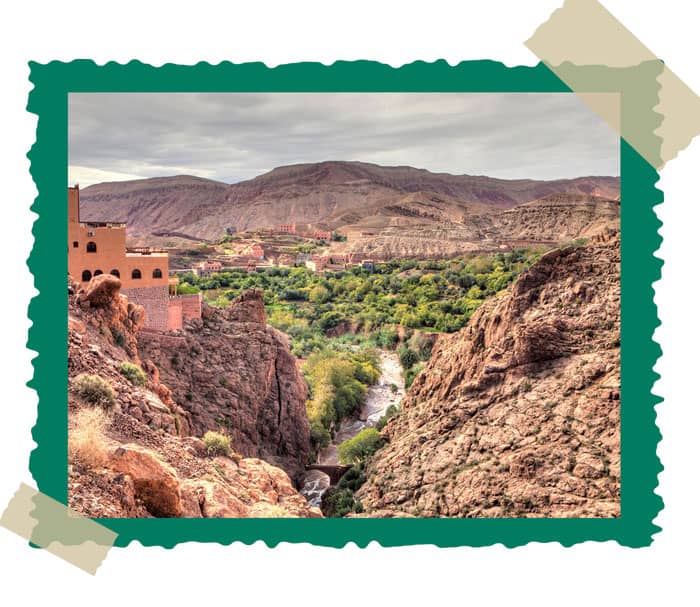
Stretching through the heart of southeastern Morocco, the Dades Valley is a striking contrast to the lush Ourika Valley. Known as the “Valley of a Thousand Kasbahs”, it winds between rugged cliffs, desert-colored hills, and rocky outcrops, offering one of Morocco’s most dramatic and photogenic landscapes. The valley has been shaped over centuries by natural erosion and human settlement, resulting in a tapestry of rock formations, palm groves, and traditional Berber villages.
Whether you are a photographer, an adventurer, or a culture enthusiast, Dades Valley offers an unforgettable experience with opportunities for hiking, exploring centuries-old kasbahs, and immersing yourself in the local Berber way of life. Its accessibility from Ouarzazate and the road to Todra Gorge makes it a popular stop for travelers seeking Morocco’s desert-edge landscapes.
Location & Accessibility
-
Geography: The valley lies between the High Atlas and Anti-Atlas Mountains, gradually descending into the desert landscapes near Erfoud.
-
From Ouarzazate: Approximately 2.5–3 hours by car, making it a feasible overnight stop or part of a multi-day desert route.
-
Roads & Driving: The scenic road to Dades Valley is famous for its switchbacks and panoramic views of cliffs and kasbahs. Travelers are treated to a visual feast of jagged rock formations known locally as “Monkey Fingers” due to their unusual shape.
-
Tours: Many travelers join guided tours from Ouarzazate or Marrakech, which combine Dades Valley with Todra Gorge and desert excursions.
Stunning Landscapes & Scenic Highlights
The Dades Valley is a paradise for landscape enthusiasts:
-
Valley of a Thousand Kasbahs: Ancient mud-brick fortresses dot the valley, some still inhabited, others converted into guesthouses or museums. They create a unique historical and architectural atmosphere.
-
Rock Formations: Dramatic cliffs, narrow gorges, and unusual stone formations like the “Monkey Fingers” make Dades one of Morocco’s most unique natural landscapes.
-
Palm Groves & Terraces: Amidst the rocky terrain, lush palm groves and terraced gardens flourish, supported by traditional irrigation systems that have been used for generations.
-
Rivers & Oases: Small rivers and streams crisscross the valley, offering refreshing stops and perfect spots for photography or picnics.
Activities in Dades Valley
-
Hiking & Trekking: Trails lead through cliffs, kasbahs, and desert-edge landscapes, offering varied difficulty levels suitable for both casual walkers and experienced hikers.
-
Photography: The valley’s mix of red cliffs, kasbahs, and palm groves makes it a dream location for photographers, particularly during sunrise or sunset when the light transforms the landscape.
-
Kasbah Exploration: Visit historical kasbahs like Kasbah Amridil, experiencing centuries-old architecture and traditional Berber culture. Some kasbahs now host boutique accommodations for overnight stays.
-
Village Visits: Small Berber villages such as Boulmane and Tinghir offer insights into daily life, from traditional farming to local markets selling pottery, carpets, and produce.
Culture & Traditions
-
Berber Heritage: The valley is home to Berber communities who maintain centuries-old traditions in agriculture, architecture, and crafts.
-
Local Markets & Handicrafts: Visitors can purchase handmade carpets, pottery, and traditional jewelry, supporting the local economy while bringing home authentic souvenirs.
-
Festivals & Traditions: Seasonal festivals celebrate harvests and local culture, often accompanied by music, dance, and communal gatherings.
-
Hospitality: Many local families welcome travelers for tea, meals, or short cultural exchanges, offering a genuine glimpse into valley life.
Best Time to Visit Dades Valley
-
Spring (March–May): Mild temperatures, blooming plants, and flowing streams. Perfect for trekking and photography.
-
Summer (June–August): Hot during the day but cooler in the mornings; ideal for early hikes and overnight stays in kasbahs.
-
Autumn (September–November): Pleasant weather, fewer tourists, golden desert hues, and vibrant sunsets.
-
Winter (December–February): Cool temperatures; snow may cap the High Atlas peaks, providing dramatic contrasts to the desert-colored cliffs.
Ready to Explore Morocco Valleys?
Experience the breathtaking beauty, rich culture, and thrilling adventures of Morocco’s most iconic valleys: Ourika, Dades, and Todra. Whether you’re seeking lush mountain escapes, historic kasbahs, or towering gorges, these valleys offer unforgettable memories for every traveler.
Don’t wait—plan your journey through Morocco valleys now!
Marvel at Todra Gorge – Morocco’s Towering Canyon
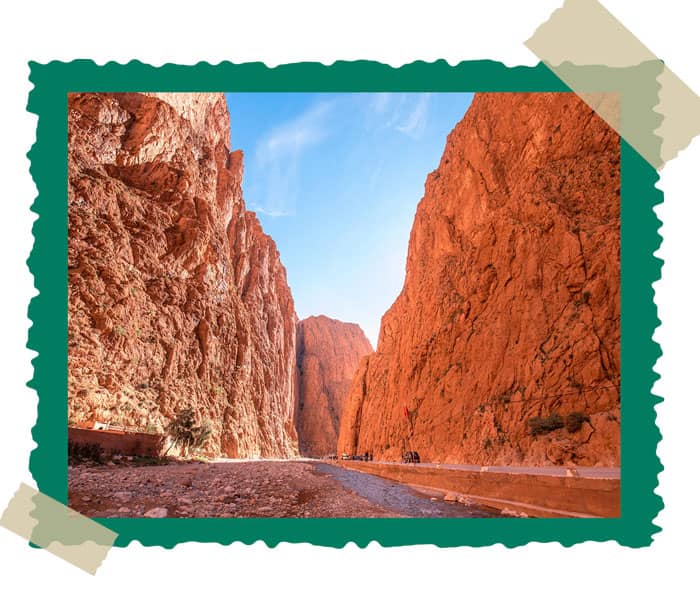
The Todra Gorge is one of Morocco’s most striking natural wonders, located at the eastern end of the Dades Valley route. This narrow canyon, carved by the Todra River over millions of years, features sheer cliffs rising up to 300 meters (980 feet) high, creating a breathtaking corridor of stone that draws adventurers, climbers, and photographers alike.
Known for its dramatic landscapes and tranquil riverbanks, Todra Gorge offers a perfect combination of adventure, natural beauty, and cultural experiences. Unlike the lush Ourika Valley or the rugged expanses of Dades, Todra Gorge is a vertical marvel, where hikers can walk between towering rock walls and explore hidden pathways to scenic viewpoints.
Location & Accessibility
-
Geography: Situated near the town of Tinghir in southeastern Morocco, Todra Gorge marks the transition from the Atlas Mountains to the edge of the Sahara Desert.
-
From Dades Valley: About 1–1.5 hours by car, making it an ideal continuation after visiting Dades.
-
Road & Access: The approach road is paved and scenic, winding through palm groves and small Berber villages. Parking is available at the base of the gorge for visitors embarking on hikes.
-
Tours: Many guided tours combine Dades Valley and Todra Gorge, offering cultural insights and access to local guides familiar with hidden trails.
Geological Wonders & Scenic Highlights
-
Towering Cliffs: Vertical limestone walls that soar up to 300 meters create a dramatic corridor perfect for climbers and photographers.
-
The River: The Todra River runs along the gorge floor, providing a refreshing contrast to the rugged cliffs and creating small oasis-like areas.
-
Palm Groves & Gardens: Along the base and nearby villages, lush palm groves flourish, offering natural shade and picturesque scenery.
-
Unique Formations: As the gorge narrows, sunlight filters between the cliffs, producing striking light and shadow contrasts ideal for photography.
Adventure Activities in Todra Gorge
-
Hiking: Gentle walks along the gorge floor or more challenging climbs to viewpoints above the canyon walls. Trails vary in difficulty and offer access to quieter areas away from crowds.
-
Rock Climbing: Todra Gorge is a world-renowned climbing destination with routes suitable for both beginners and experienced climbers.
-
Photography: Sunrise and sunset cast dramatic shadows along the gorge walls, perfect for landscape and nature photography.
-
Exploration: Walk to nearby Berber villages, cross small bridges, or explore hidden corners of the canyon for a more intimate experience.
Culture & Local Life
-
Berber Villages: Tinghir and nearby settlements showcase traditional life, with mud-brick homes, local markets, and palm groves surrounding the villages.
-
Handicrafts & Souvenirs: Local markets sell woven carpets, pottery, jewelry, and spices. Visitors can often see artisans at work.
-
Hospitality: Berber families frequently welcome tourists for mint tea and snacks, offering insight into their daily routines and customs.
-
Festivals & Traditions: Seasonal harvests and community gatherings provide opportunities to witness traditional Berber music, dance, and celebrations.
Best Time to Visit Todra Gorge
-
Spring (March–May): Ideal for hiking and photography, with mild temperatures and flowing river waters.
-
Summer (June–August): Warm and dry; early morning or late afternoon hikes recommended to avoid midday heat.
-
Autumn (September–November): Pleasant weather, fewer tourists, and golden desert hues perfect for scenic views.
-
Winter (December–February): Cooler temperatures; cliffs may appear even more dramatic with the low-angle winter sun.
Comparing Morocco Valleys – Ourika, Dades, and Todra
Morocco’s valleys each offer a distinct experience, from lush greenery to dramatic cliffs and desert-edge landscapes. Comparing Ourika, Dades, and Todra can help travelers plan their itineraries and choose experiences that match their interests.
Landscape Differences
-
Ourika Valley: Known for its lush vegetation, flowing rivers, waterfalls, and terraced gardens in the foothills of the High Atlas. The scenery is vibrant and green, especially in spring.
-
Dades Valley: Characterized by rugged cliffs, red rock formations, and palm groves, often called the “Valley of a Thousand Kasbahs” for its historic mud-brick fortresses. Its dramatic, desert-tinged landscapes are ideal for photography and exploration.
-
Todra Gorge: A vertical marvel, with sheer limestone cliffs rising up to 300 meters. The narrow canyon contrasts with the open valleys, offering a sense of scale and awe unmatched by the other two valleys.
Activity Options
-
Ourika Valley: Hiking to waterfalls, visiting Berber villages, exploring local markets, and cultural immersion with traditional tea and crafts. Ideal for nature walks and casual explorers.
-
Dades Valley: Trekking through gorges, exploring historic kasbahs, photography, visiting Berber villages, and experiencing the desert-edge environment. Best for adventurous travelers and photographers.
-
Todra Gorge: Rock climbing, canyon hiking, photography of dramatic cliffs, and exploring small villages. Perfect for thrill-seekers and those drawn to geological wonders.
Accessibility & Travel Tips
-
Ourika Valley: 30 km from Marrakech, easily reached by car or organized tours. Suitable for day trips or overnight stays.
-
Dades Valley: About 2.5–3 hours from Ouarzazate. Ideal for overnight stays in kasbahs and exploration along the valley.
-
Todra Gorge: 1–1.5 hours from Dades Valley, usually visited as part of a multi-day journey with Dades. Parking available at gorge entrances; guided tours are recommended for safety and insight.
Cultural & Local Experiences
-
All three valleys feature Berber communities, but each offers a slightly different glimpse into Moroccan culture:
-
Ourika: Small mountain villages, traditional crafts, local markets, mint tea experiences.
-
Dades: Historic kasbahs, desert-edge farming, seasonal festivals, artisanal crafts.
-
Todra: Villages near the gorge, local markets, and opportunities for interacting with families maintaining centuries-old lifestyles.
-
Best Time to Visit Each Valley
-
Ourika: Spring to autumn, with spring ideal for lush greenery and waterfalls.
-
Dades: Spring, autumn, and early summer for comfortable hiking temperatures and clear skies.
-
Todra: Spring and autumn preferred for hiking and climbing; summer mornings are good for shorter walks. Winter offers dramatic cliffs but cooler temperatures.
Suggested Travel Itinerary
-
Day 1: Depart Marrakech → Explore Ourika Valley → Overnight in Ourika or return to Marrakech.
-
Day 2: Travel to Dades Valley → Explore kasbahs and gorges → Overnight in a local kasbah.
-
Day 3: Morning visit to Todra Gorge → Short hikes and photography → Travel onward to Merzouga or back to Ouarzazate.
Practical Travel Tips for Morocco Valleys
Visiting Morocco valleys like Ourika, Dades, and Todra is a rewarding experience, but planning ahead can make your trip smoother and more enjoyable. Here’s a comprehensive guide for travelers:
Suggested Itineraries
-
Short Trips: If you have 1–2 days, focus on Ourika Valley, which is only 30 km from Marrakech, making it ideal for a day trip.
-
Multi-Day Exploration: For a 3–5 day itinerary, combine Ourika, Dades, and Todra Valleys, allowing time for hiking, photography, and cultural immersion.
-
Extended Adventure: Travelers with a week or more can include overnight stays in kasbahs, desert excursions from Dades, and longer treks in Todra Gorge.
Accommodation Options
-
Ourika Valley: Guesthouses, small riads, and eco-lodges near Setti Fatma offer scenic mountain views and traditional hospitality.
-
Dades Valley: Historic kasbahs converted into boutique hotels provide authentic experiences with modern comfort.
-
Todra Gorge: Guesthouses and lodges in Tinghir or near the gorge floor allow early morning hikes and sunset views of the cliffs.
Transportation & Getting Around
-
Self-Drive: Renting a car gives flexibility to explore at your own pace, especially for scenic stops along Dades and Todra roads.
-
Guided Tours: Many operators from Marrakech or Ouarzazate offer organized tours that include transport, guides, and sometimes meals.
-
Local Transport: Taxis and small buses operate in the valleys, but schedules may be irregular. Self-drive or tours are recommended for convenience.
Packing Essentials
-
Footwear: Comfortable hiking shoes for trails and uneven terrain.
-
Clothing: Layers are essential—mornings and evenings in the mountains can be cool, while midday may be warm.
-
Sun Protection: Hat, sunglasses, and sunscreen are crucial, especially in Dades and Todra.
-
Camera & Gear: The valleys are extremely photogenic; bring extra batteries and memory cards.
-
Water & Snacks: While local cafes exist, carrying water is recommended, particularly during hikes.
Local Etiquette & Safety Tips
-
Cultural Respect: Dress modestly when visiting villages, and always ask before photographing people.
-
Interaction with Locals: Accept invitations for tea politely; Berber hospitality is genuine and welcoming.
-
Hiking Safety: Stick to marked trails when possible, especially in Todra Gorge and near waterfalls.
-
Weather Awareness: Check conditions for snow or heavy rains in winter, which may affect accessibility.
Additional Travel Tips
-
Timing Visits: Early morning or late afternoon visits reduce crowds and provide the best light for photography.
-
Currency & Payments: Cash (Moroccan Dirhams) is preferred in villages; cards may not be widely accepted.
-
Guides: Hiring local guides supports communities and enhances cultural understanding.
Conclusion – Plan Your Journey Through Morocco Valleys
The Morocco valleys of Ourika, Dades, and Todra each offer a unique and unforgettable experience. From the lush greenery and waterfalls of Ourika Valley, to the rugged cliffs and historic kasbahs of Dades Valley, and finally the dramatic towering cliffs of Todra Gorge, these landscapes showcase Morocco’s incredible diversity.
Travelers can enjoy a perfect blend of adventure, culture, and natural beauty: hiking scenic trails, exploring ancient Berber villages, experiencing local traditions, and capturing stunning photographs at every turn. Whether you are seeking a day trip from Marrakech or a multi-day journey through the Atlas Mountains and desert-edge landscapes, these valleys provide experiences that stay in your memory long after your visit.
Start planning your Moroccan valley adventure today! Immerse yourself in the beauty, culture, and tranquility of Ourika, Dades, and Todra. Book your guided tour or self-drive itinerary, explore traditional Berber villages, and discover why these valleys are among Morocco’s most treasured natural wonders.
+212 600 000 000
WowMoroccoTours@gmail.com
The post Exploring Morocco Valleys: Ourika, Dades, and Todra for Nature & Adventure appeared first on Wow Morocco Tours.
]]>
The Ultimate Guide to Desert Nights in Morocco: Stargazing, Silence, and Adventure
There are travel experiences that stay with you long after your journey ends—moments that feel suspended in time, where the world becomes quieter, the sky becomes bigger, and life slows to its most profound simplicity. Desert Nights in Morocco belong to this rare category. As the sun sets behind the towering dunes of the Sahara and the desert begins to cool, a magical transformation takes place. The sky slowly turns from gold to deep blue, then to a blanket of stars so bright they seem close enough to touch. The silence becomes complete, the air becomes crisp, and the dunes glow under the moonlight.
Morocco is one of the few countries in the world where travelers can experience this kind of desert magic with accessibility, safety, and comfort. Whether you’re crossing the dunes on a camel, listening to Berber drums around a campfire, or simply lying in the sand while stargazing, Desert Nights in Morocco offer a journey into both nature and culture. This is not just an overnight stay—it’s a full immersion into nomadic traditions, breathtaking landscapes, and the deep stillness of the Sahara.
Travelers often describe their first night in the desert as life-changing. The overwhelming quiet helps you disconnect from the modern world, while the sky—completely free of light pollution—reveals constellations and shooting stars with extraordinary clarity. Couples find it romantic, adventurers find it thrilling, and families find it unforgettable. No matter your reason for visiting, one thing is certain: Desert Nights in Morocco have a way of leaving a lasting emotional imprint.
This guide is designed to take you deep into the heart of this experience. You’ll learn what makes the Sahara so extraordinary after dark, how to choose between Erg Chebbi and Erg Chigaga, what your evening at the camp will look like, what to pack, when to go, and how to book the perfect trip. Packed with insider tips, cultural insights, and practical advice, this long-form guide will prepare you for an unforgettable adventure.
If you’ve ever dreamed of sleeping under the stars, walking barefoot on soft dunes, or listening to the wind whisper through the Sahara at night, then get ready—because Desert Nights in Morocco are calling.
Why Desert Nights in Morocco Are a Must-Do Experience
Experiencing Desert Nights in Morocco is more than just an item to tick off a travel bucket list—it is a sensory and emotional journey that most travelers describe as one of the most unforgettable moments of their lives. The Sahara Desert, with its endless golden dunes and vast silence, offers a rare escape from the noise, rush, and distractions of everyday life. When night falls, everything slows down, allowing you to truly connect with the environment and with yourself. There is something profoundly grounding about being surrounded by nothing but sand, sky, and stillness.
One of the main reasons travelers are drawn to Desert Nights in Morocco is the feeling of peace that settles over the Sahara after sunset. The desert is a place where the winds soften, the heat fades, and the horizon glows with warm shades of orange and purple. As the last light of day fades, the stars slowly emerge one by one until the sky becomes a breathtaking dome of shimmering constellations. With zero light pollution, the desert reveals a night sky that city dwellers rarely experience—vast, clear, and brilliantly alive. It’s not just beautiful; it’s humbling.
Another powerful aspect of the experience is the cultural immersion. Spending a night in the desert means stepping into the traditions of Morocco’s Berber communities, whose ancestral roots are deeply tied to the Sahara. Around a campfire, you may listen to traditional drumming, hear stories of nomadic life, and share meals inspired by centuries-old recipes. Travelers often describe this cultural exchange as one of the highlights of their Desert Nights in Morocco, because it offers an authentic connection that no city or resort can replicate.
Then there is the landscape itself—raw, dramatic, and otherworldly. The Sahara’s dunes, shaped over thousands of years by winds and shifting sands, look different every hour of the day. At night, they take on a mysterious beauty, glowing softly under the moonlight. Walking across the dunes after dark, with only the sound of your footsteps, is an experience that feels almost surreal. Many travelers say it is the first time they truly understood the power of silence.
Whether you’re a photographer chasing the perfect night shot, a couple seeking a romantic escape, or an adventurer looking for a unique journey, Desert Nights in Morocco deliver something exceptional. The combination of natural beauty, cultural richness, and emotional depth makes this experience stand out from any other travel activity in Morocco. It offers a rare chance to disconnect from technology, reconnect with nature, and feel part of something larger than yourself.
In a world where everything moves fast, the Sahara invites you to pause, breathe, and simply exist. And that is exactly why Desert Nights in Morocco are considered a must-do experience for every traveler.
Erg Chebbi vs Erg Chigaga for Desert Nights in Morocco
When planning Desert Nights in Morocco, the choice between Erg Chebbi and Erg Chigaga is one of the most important decisions you’ll make. These two iconic dune regions offer completely different experiences—both magical, both unforgettable, but each appealing to different types of travelers. Understanding their landscapes, accessibility, atmosphere, and camp styles will help you choose the perfect destination for your Sahara adventure.
Erg Chebbi – The Classic Destination for Desert Nights
Erg Chebbi, located near the town of Merzouga, is Morocco’s most famous dune region and often the first choice for travelers looking for Desert Nights in Morocco. Its dunes are tall, dramatic, and incredibly photogenic—some reaching up to 150 meters in height. This makes Erg Chebbi ideal for travelers who want that iconic Sahara look: golden dunes, sweeping curves, and endless horizons.
One of the biggest advantages of Erg Chebbi is accessibility. The road to Merzouga is paved and straightforward, making it easier to reach than Erg Chigaga. This convenience has led to the development of a wide range of desert camps, from basic nomadic tents to luxurious private suites with electricity, ensuite bathrooms, and gourmet dining. For travelers who want a comfortable and refined desert experience, Erg Chebbi offers plenty of high-quality options.
The presence of luxury camps also makes Erg Chebbi a favorite for couples, honeymooners, and travelers who want a balance between adventure and comfort. Camel rides, sandboarding, 4×4 dune tours, Berber music evenings, and sunrise hikes are all commonly included. While Erg Chebbi is more popular and therefore can feel less remote, its beauty and accessibility make it an exceptional choice for first-time visitors.

Erg Chigaga – The Wilderness Option for Desert Nights
If you’re dreaming of Desert Nights in Morocco that feel wild, untouched, and completely off the beaten path, then Erg Chigaga is the perfect destination. Located far from major towns and reachable only by 4×4, Erg Chigaga is Morocco’s largest and most remote dune region. Its dunes are slightly lower than those of Erg Chebbi, but what it lacks in height it makes up for in raw authenticity and a powerful sense of solitude.
The journey to Erg Chigaga itself is an adventure—crossing rocky plateaus, dried riverbeds, and small desert villages before reaching the vast rolling dunes. Because it’s not easily accessible, Erg Chigaga receives far fewer tourists, making it ideal for travelers seeking tranquility, privacy, and a true nomadic atmosphere.
Camps here tend to be more eco-friendly and intimate. While luxury options do exist, they are more rustic and minimalist than those in Erg Chebbi, blending naturally with the landscape. Evenings often feel quieter, with fewer camp lights and less human activity, which makes the night sky appear even brighter. For photographers, solitude lovers, and seasoned travelers, Erg Chigaga offers a once-in-a-lifetime desert experience.

Which One Offers Better Desert Nights in Morocco?
The answer depends on what kind of experience you want. Erg Chebbi is best for travelers who value comfort, convenience, and dramatic scenery. Erg Chigaga is ideal for those who crave adventure, remoteness, and authentic nomadic spirit.
Here’s a quick comparison to help you decide:
| Feature | Erg Chebbi | Erg Chigaga |
|---|---|---|
| Accessibility | Easy (paved road) | Difficult (requires 4×4) |
| Atmosphere | More visitors, lively | Remote, peaceful |
| Landscape | High, dramatic dunes | Wild, expansive dunes |
| Camp Style | Wider range, many luxury options | Rustic, eco-friendly, fewer camps |
| Best For | First-time visitors, couples, families | Adventurers, photographers, solitude seekers |
In reality, both are excellent options for Desert Nights in Morocco, and each offers a different kind of magic. Erg Chebbi gives you the classic Sahara postcard experience; Erg Chigaga gives you the raw and untouched desert wilderness. No matter which one you choose, the nights you spend there will stay with you forever.
Plan Your Desert Adventure Today
Ready to experience the magic of the Sahara for yourself? Book your Desert Nights in Morocco adventure today and discover why travelers from around the world return home with memories that last a lifetime.
Check out trusted desert tour operators, compare camps, and choose the perfect package for your dream desert night. Whether you’re seeking adventure, romance, or serenity, the Sahara awaits.
What to Expect During Desert Nights in Morocco
Experiencing Desert Nights in Morocco is like stepping into another world—one shaped by warm winds, endless dunes, glowing horizons, and starlit skies. From the moment you leave the last village behind and enter the silence of the Sahara, every moment becomes memorable. Whether you choose Erg Chebbi or Erg Chigaga, the rhythm of a desert night follows a beautiful sequence: arrival, sunset, dinner, music, stargazing, sleep, and sunrise. Each phase offers its own magic, its own colors, and its own sensory experience. Below is a detailed look at what your unforgettable night will look like.
The Journey to the Camp
Your adventure begins long before sunset. Depending on your camp, you will either be transported by 4×4 vehicles across rocky terrain, or by camel through the dunes. The journey itself is part of the experience—slow, peaceful, and visually stunning. As you move deeper into the desert, villages disappear, roads vanish, and the landscape transforms into an ocean of sand.
The silence becomes noticeable almost immediately. For many, this is the moment when they truly start to feel the essence of Desert Nights in Morocco: a complete separation from modern life. Your guide may stop along the way for photos or to share stories about nomadic life, the desert’s geography, and the traditions of the region.
Arriving at the camp, you’re welcomed with Moroccan mint tea—the traditional symbol of hospitality. The warm, sweet flavor helps you settle into the desert mood as you take in your surroundings: tents arranged in a circle, lanterns flickering in the sand, and dunes rising all around you like golden walls.

Sunset Over the Dunes
Sunset is one of the most iconic moments of Desert Nights in Morocco. As the sun dips lower, the sky begins to transform into a spectacular canvas of colors—orange, crimson, purple, and soft pink. The dunes change color with every minute, creating shifting shadows and curves that are breathtaking to watch.
Most camps encourage guests to climb the nearest dune to enjoy the sunset from a high viewpoint. Reaching the top is rewarding: the soft sand, the panoramic views, and the cool wind combine to create a moment of pure serenity. Photographers love this time for its golden-hour lighting, but even those without a camera will never forget the view.
When the sun finally slips below the horizon, a calm stillness settles over the Sahara—marking the beginning of the night.

Dinner and Nomadic Music
After sunset, lanterns and candles light up the camp as dinner is prepared. Most camps serve traditional Moroccan dishes: warm soups, fresh salads, tajines cooked slowly over coals, couscous, and sweet pastries. Meals are shared at low tables around a communal dining area, allowing guests to talk, relax, and enjoy the gentle atmosphere.
The cultural experience deepens as local Berber musicians gather around the fire to play traditional drums and songs. The rhythm of the music echoes across the dunes, creating an unforgettable ambiance. Many guests join in, clap along, dance, or simply relax by the fire. This part of Desert Nights in Morocco often becomes a highlight, as the music connects travelers to the nomadic heritage of the region.

Stargazing in the Sahara
Stargazing is one of the most extraordinary parts of Desert Nights in Morocco. Far from any light pollution, the Sahara offers some of the clearest night skies in the world. As the fire fades and the air cools, millions of stars emerge, revealing constellations, planets, and even the Milky Way on clear nights.
The silence is almost otherworldly. Many travelers choose to lie directly on the sand, wrapped in a blanket, simply watching the sky. Shooting stars are common, and the longer you look, the more details you see. This moment creates a profound sense of connection—with nature, with time, and with yourself. It’s peaceful, intimate, and unforgettable.
For photographers, this is an ideal time for long-exposure shots. The contrast between the dark dunes and the bright sky creates breathtaking images.

Sleeping in Desert Tents
After a night of music and stargazing, it’s time to rest. Desert camps vary in comfort—from traditional nomadic tents with shared bathrooms to luxurious private suites with electricity and ensuite facilities. Regardless of style, sleeping in the Sahara has a special charm.
The desert becomes incredibly quiet. The air cools, and the sky remains bright with stars. Many travelers describe sleeping in the desert as deeply calming: no cars, no city sounds, just the gentle breeze and the sound of shifting sand.
Even in luxury camps, the atmosphere remains simple and authentic. Thick blankets keep you warm, and the dim lantern light creates a peaceful environment. Waking up in the middle of the night and seeing the stars through the tent opening is an experience you’ll never forget.

Sunrise After a Desert Night
Sunrise marks the final chapter of Desert Nights in Morocco, and it’s just as magical as sunset. The dunes begin to glow as the first light of day breaks across the horizon. The air is cool and fresh, and the world feels quiet and new.
Most travelers wake before dawn to climb a dune and watch the sunrise. The colors shift from blue to gold, and shadows stretch dramatically across the desert floor. It’s the perfect moment for reflection, photography, or simply appreciating the beauty of the Sahara.
After sunrise, breakfast is served—fresh bread, olives, jams, eggs, yogurt, and hot tea or coffee—before guests prepare to leave the camp. The journey back through the dunes feels different, as the desert looks new in morning light.

Types of Camps for Desert Nights in Morocco
Choosing where to stay is one of the most important parts of planning Desert Nights in Morocco. The type of camp you select will shape the atmosphere, comfort level, and style of your experience. Morocco’s desert offers a wide range of options—from humble nomadic tents to luxurious boutique-style camps. Each type has its own character and charm, and understanding the differences will help you select the perfect camp for your travel style.
Below is a detailed breakdown of the main types of Sahara desert camps you’ll find in Erg Chebbi and Erg Chigaga.
Standard Desert Camps
Standard camps are the closest you’ll get to the traditional way Berber nomads live in the Sahara. These camps usually feature simple, spacious tents made from camel hair, canvas, or thick woven fabric designed to withstand sun and wind. The atmosphere is rustic but warm, offering an authentic introduction to desert life.
Inside each tent, you’ll typically find comfortable mattresses, blankets, candles or lanterns for lighting, and basic furnishings. Bathrooms are usually shared, and electricity may be limited or unavailable. Meals consist of hearty Moroccan dishes prepared in traditional ways—cooked over open flames, served family-style, and rich in flavor.
Standard camps are affordable, culturally rich, and deeply immersive. They’re perfect for travelers who want Desert Nights in Morocco that feel real, simple, and connected to local life. Adventurers, backpackers, and culture-focused visitors often find these camps the most rewarding.
Luxury Desert Camps
Luxury desert camps take comfort to another level while still preserving the magic of being surrounded by dunes. These camps combine the charm of nomadic hospitality with the amenities of a boutique hotel. If you want a comfortable experience without giving up the beauty of the Sahara night, this option is ideal.
Luxury tents are typically spacious, beautifully decorated with Berber textiles, and equipped with electricity, private bathrooms, hot showers, and sometimes even air conditioning or heating. Comfortable beds with high-quality linens ensure a good night’s sleep. Many luxury camps offer private dining, elegant lounge areas, and staff on hand to assist with everything.
Cuisine in luxury camps goes beyond standard tajines. You might enjoy multi-course meals, gourmet dishes, freshly baked bread, and desserts under the stars. The atmosphere remains peaceful and intimate, but with more privacy and fewer guests.
Luxury camps are perfect for couples, honeymooners, families, or anyone who wants Desert Nights in Morocco with a touch of elegance, comfort, and exclusivity.
VIP or Private Camps
For travelers seeking the ultimate desert escape, VIP or private camps offer complete seclusion and total customization. These camps are usually set far from other camps to ensure absolute privacy and silence. They are often booked by couples celebrating special occasions, travelers seeking solitude, or guests wanting to experience the Sahara exactly as they envision it.
A VIP camp may consist of just one or two tents, but they are equipped with everything you need: spacious bedrooms, private bathrooms, luxurious decor, personalized dining service, and dedicated staff. These camps allow you to dine privately under the stars, enjoy personalized music sessions, choose your activities, and feel like the desert belongs entirely to you.
This level of exclusivity makes VIP camps the most expensive option—but also the most extraordinary. For travelers who want Desert Nights in Morocco that feel magical, intimate, and tailor-made, private camps offer an experience you will remember for a lifetime.
Choosing the Right Type of Camp
Each type of desert camp offers its own way of experiencing the Sahara:
-
Standard camps: authentic, budget-friendly, immersive.
-
Luxury camps: comfortable, romantic, elevated.
-
VIP camps: private, exclusive, unforgettable.
Your choice depends on your travel style, budget, and what you want your night in the desert to feel like. Whether you choose simplicity, comfort, or total exclusivity, all types of camps deliver the same core highlight: the timeless beauty of Desert Nights in Morocco.
What to Pack for Desert Nights in Morocco
Packing for Desert Nights in Morocco requires careful planning. The desert environment is unique: temperatures can swing dramatically between day and night, sand can get everywhere, and access to modern conveniences is limited. Bringing the right items ensures that your night in the Sahara is comfortable, safe, and unforgettable. Below is a comprehensive guide to everything you should pack.
Clothing for Day and Night
The Sahara is hot during the day and can become surprisingly cold at night. Layering is essential.
-
Daytime clothing: Lightweight, breathable fabrics such as cotton or linen are ideal. Long sleeves and pants help protect against sunburn and windblown sand.
-
Nighttime clothing: Warm layers like sweaters, fleece jackets, or thermal wear are necessary for the chilly desert nights. Even summer nights can drop to 10–15°C (50–59°F).
-
Footwear: Comfortable walking shoes or boots for trekking in sand and sturdy sandals for relaxing at the camp.
-
Accessories: A wide-brimmed hat, scarf, or shawl to shield your face from sun and sand; sunglasses to protect your eyes.
Essentials for Comfort and Safety
Certain items will make your desert night more enjoyable and ensure your safety.
-
Flashlight or headlamp: Essential for moving around the camp after dark.
-
Power bank: Electricity may be limited, so keep your devices charged.
-
Water bottle: Hydration is crucial, especially after trekking or camel rides.
-
Sunscreen and lip balm: Protect your skin against sunburn and dry air.
-
First aid kit: Basic supplies for minor cuts, scrapes, or insect bites.
Photography and Stargazing Gear
Desert nights are perfect for capturing incredible photos.
-
Camera or smartphone with a good camera: Long-exposure settings help capture stars.
-
Tripod: Essential for night photography.
-
Binoculars or telescope: Optional but enhances stargazing experiences.
-
Notebook or journal: Record your observations, sketches, or reflections under the night sky.
Toiletries and Personal Items
Although camps provide basic facilities, it’s smart to bring your own supplies.
-
Biodegradable soap and shampoo (eco-friendly options preferred)
-
Toothbrush and toothpaste
-
Towels (quick-dry are ideal)
-
Moisturizer to combat dry desert air
Optional Items for Extra Comfort
-
Lightweight blanket for lounging outside
-
Snacks for the trek or midnight cravings
-
Travel pillow for sleeping in tents
-
Playing cards, travel games, or books for quiet camp evenings
Tips for Packing Light
Remember, many desert camps are reached by camel or 4×4, so packing light is highly recommended. A durable backpack with organized compartments will make your journey easier. Essentials should be accessible, while luxury or non-essential items can remain in your main luggage.
By preparing thoughtfully, you can fully enjoy Desert Nights in Morocco without worry. The right clothing, gear, and supplies make the night comfortable, safe, and unforgettable—allowing you to focus entirely on the magic of the Sahara.
Best Time of Year for Desert Nights in Morocco
Choosing when to experience Desert Nights in Morocco is essential for comfort, safety, and enjoyment. The Sahara Desert has a unique climate: hot, dry days, cold nights, and occasional seasonal winds. Selecting the right time ensures that your night in the desert is magical rather than challenging. Here’s a detailed breakdown of the best seasons to plan your adventure.
Spring (March – May)
Spring is one of the most popular times to experience Desert Nights in Morocco. During these months, daytime temperatures are warm but not excessively hot, usually ranging between 20–30°C (68–86°F). Nighttime temperatures are mild, allowing for comfortable sleeping in tents without heavy blankets.
Spring is also ideal for travelers who want to explore the desert dunes without extreme heat. The weather is generally stable, with clear skies perfect for stargazing. Desert flowers may bloom in scattered areas, adding subtle bursts of color to the sandscape. For first-time visitors or those prioritizing comfort, spring offers one of the most enjoyable experiences of the Sahara.
Autumn (September – November)
Autumn is another excellent season for Desert Nights in Morocco. The heat of summer begins to fade, making both day and night pleasant for outdoor activities. Temperatures are similar to spring, ranging from 22–32°C (72–90°F) during the day and cooling to 12–18°C (54–64°F) at night.
Autumn also tends to have very clear skies, ideal for stargazing. Winds are generally calmer than in spring, reducing sandstorms and making camel rides and dune trekking easier. This season is perfect for travelers who want a combination of comfortable weather, dramatic desert landscapes, and unforgettable night skies.
Summer (June – August)
Summer in the Sahara can be extremely hot during the day, with temperatures often exceeding 40°C (104°F). Nights, however, can still be enjoyable because the heat dissipates after sunset. For those prepared for high temperatures, summer offers very dry and predictable weather.
If you plan to experience Desert Nights in Morocco during summer, it’s best to schedule evening activities carefully. Avoid trekking or camel rides during peak heat hours. Luxury camps with air-conditioned tents or shaded lounges are highly recommended. Despite the heat, summer nights can be mesmerizing—especially if you enjoy sleeping under clear skies with uninterrupted stargazing.
Winter (December – February)
Winter offers a different, equally magical experience for Desert Nights in Morocco. Daytime temperatures are cool, usually between 15–22°C (59–72°F), while nights can be very cold, sometimes dropping close to 0°C (32°F) in the dunes. For those who enjoy crisp air and clear skies, winter is ideal for stargazing.
Winter nights are particularly serene because the desert is quieter and less crowded. Campfires are essential for warmth, and tents with heating or extra blankets are recommended. This season suits travelers who are prepared for cold nights but want a more peaceful and private desert experience.
Tips for Choosing the Best Time
-
For comfort and mild weather: Spring and Autumn
-
For clear skies and stargazing: Winter and Spring
-
For fewer crowds and solitude: Winter and Autumn
-
For a hot, sun-soaked adventure: Summer (with precautions)
No matter the season, Desert Nights in Morocco offer a magical escape into the Sahara. Your choice of timing will affect your comfort and activities, but the beauty, silence, and star-filled skies remain unforgettable year-round.
Safety Tips for Desert Nights in Morocco
While Desert Nights in Morocco are enchanting, the Sahara is a unique environment that requires preparation and awareness. Ensuring your safety and comfort allows you to fully enjoy the experience without unnecessary stress. From weather precautions to health tips, here’s everything you need to know.
Stay Hydrated
The desert is extremely dry, and even mild physical activity can deplete your body quickly. Drinking plenty of water before, during, and after your desert adventure is essential. Most camps provide water, but it’s smart to carry your own refillable bottle during camel rides or dune trekking. Avoid alcohol and excessive caffeine, which can increase dehydration.
Protect Yourself From the Sun and Sand
During the day, the Sahara sun is intense. Wear lightweight, long-sleeved clothing, a wide-brimmed hat, and sunglasses to shield yourself. Apply high SPF sunscreen to exposed skin and lip balm to prevent dryness. Sandstorms are rare but possible—scarf or bandana can protect your mouth, nose, and eyes if strong winds kick up dust.
Prepare for Temperature Swings
Desert nights can be surprisingly cold. Bring layers, including sweaters, jackets, and thermal clothing if visiting in winter or early spring. Luxury tents often provide blankets, but additional layers can make the night more comfortable. Likewise, daytime temperatures can be very hot, so plan outdoor activities for early morning or late afternoon when the sun is less intense.
Choose Reputable Camps and Guides
Selecting a trusted camp or tour operator is crucial. Look for camps with positive reviews, professional guides, and clear safety measures. Experienced guides know the desert’s terrain, can navigate dunes safely, and handle emergencies. Avoid unlicensed operators or overly cheap options that may compromise safety.
Stay Aware of Your Surroundings
While the desert is generally safe, it’s important to stay alert. Watch your step on dunes, avoid climbing unstable sand ridges, and never wander alone at night. Keep track of group members and follow your guide’s instructions during all activities, including camel rides, hikes, and transfers.
Health and First Aid
Carry a basic first aid kit with essentials like bandages, antiseptic wipes, pain relievers, and any personal medications. If you have pre-existing conditions, inform your guide beforehand. Desert environments can trigger dehydration, sunburn, or fatigue, so it’s important to pace yourself and take regular breaks.
By following these guidelines, you can enjoy Desert Nights in Morocco safely and fully. The desert’s beauty, silence, and starlit skies are best experienced with confidence and preparation.
Cost of Desert Nights in Morocco
Understanding the cost of Desert Nights in Morocco is essential for planning your trip and ensuring a worry-free experience. Prices vary widely depending on the type of camp, season, location, and included activities. Below is a detailed breakdown to help you budget your Sahara adventure effectively.
Standard Camps
Standard desert camps are the most budget-friendly option for experiencing Desert Nights in Morocco. Prices typically range from $30 to $80 per person per night, depending on the camp’s location and facilities.
These camps generally include:
-
Accommodation in shared tents
-
Dinner and breakfast
-
Traditional tea and snacks
-
Optional camel trek or guided dune walk (sometimes extra)
Standard camps are perfect for travelers seeking authenticity without high costs. Despite their simplicity, the quality of the desert experience—sunsets, stargazing, and cultural immersion—remains exceptional.
Luxury Camps
Luxury camps offer a higher level of comfort, privacy, and amenities. Prices generally range from $100 to $250 per person per night. Some high-end options can exceed $300 per night, especially during peak season or in VIP-style setups.
Luxury camp packages usually include:
-
Private or semi-private tents with beds and linens
-
Ensuite bathrooms or modern facilities
-
Gourmet Moroccan meals and beverages
-
Camel rides, guided desert excursions, and cultural activities
-
Extras like fire pits, lanterns, or stargazing setups
These camps appeal to couples, honeymooners, and travelers who want an elegant desert experience without sacrificing the magic of Desert Nights in Morocco.
VIP or Private Camps
For the ultimate desert experience, VIP or private camps provide exclusivity and customization. Prices for these experiences typically start at $350–$500 per person per night and can go higher depending on the location, services, and duration of your stay.
VIP packages often include:
-
Private tent or suite with luxury furnishings
-
Personal staff for dining and activities
-
Tailored experiences such as private sunset walks, stargazing, or photography tours
-
Total privacy and seclusion in remote areas
While more expensive, these options offer a once-in-a-lifetime experience, ensuring your Desert Nights in Morocco are not only magical but entirely your own.
Additional Costs to Consider
When budgeting for Desert Nights in Morocco, remember potential extras:
-
Transport to and from the desert (4×4 or bus)
-
Camel rides or adventure activities
-
Tips for guides and camp staff
-
Optional photography workshops or night excursions
Planning for these additional costs ensures there are no surprises and allows you to fully enjoy the adventure.
Money-Saving Tips
-
Book early, especially during peak season (spring and autumn)
-
Compare packages from multiple operators
-
Choose standard camps if you want the authentic experience at a lower cost
-
Combine desert nights with multi-day tours for better value
Regardless of your budget, the magic and beauty of Desert Nights in Morocco remain accessible. With careful planning, you can enjoy a safe, comfortable, and unforgettable desert adventure without overspending.
Conclusion: Why Desert Nights in Morocco Stay With You Forever
Experiencing Desert Nights in Morocco is more than just an overnight stay—it is a journey into a world of silence, stars, and unforgettable landscapes. From the moment you leave the last village behind and enter the golden dunes, the Sahara begins to work its magic. Every step, every sunset, every whisper of wind reminds you of the vastness, beauty, and timelessness of the desert.
The true essence of Desert Nights in Morocco lies in the combination of natural wonder, cultural immersion, and emotional impact. Whether you’re lying under a star-studded sky, listening to the rhythmic beats of Berber drums, or watching the sunrise paint the dunes in golden light, the experience is both humbling and awe-inspiring. It is a chance to disconnect from modern life, reconnect with nature, and create memories that last a lifetime.
No matter the type of camp, location, or season, the Sahara delivers moments of magic that travelers carry with them forever. From the accessible luxury of Erg Chebbi to the raw solitude of Erg Chigaga, every desert night has its own charm and story. Travelers return from the desert with a sense of calm, reflection, and appreciation for the simplicity and grandeur of this unique environment.
If you’ve ever dreamed of sleeping beneath an endless sky, walking across vast dunes, or experiencing the quiet majesty of the Sahara, Desert Nights in Morocco are calling. Now is the time to plan your journey and immerse yourself in one of the world’s most unforgettable travel experiences.
+212 600 000 000
WowMoroccoTours@gmail.com
The post The Ultimate Guide to Desert Nights in Morocco: Stargazing, Silence, and Adventure appeared first on Wow Morocco Tours.
]]>
What Makes Morocco Perfect for Slow Travel
Morocco is a country that invites travelers to slow down, immerse themselves in vibrant culture, and savor every moment. In an era where many trips are rushed from one tourist spot to another, Morocco offers a refreshing alternative: slow travel in Morocco. From wandering ancient medinas to savoring fragrant tagines and exploring breathtaking landscapes, every experience can be enjoyed at a relaxed, meaningful pace.
Unlike conventional travel that focuses on ticking off attractions, slow travel emphasizes connecting with the destination, its people, and its traditions. Morocco, with its rich history, diverse landscapes, and warm hospitality, is an ideal country for this approach. Whether you’re exploring the winding alleys of Fes, trekking through the High Atlas Mountains, or camping under the starry Sahara sky, the country rewards those who take the time to truly experience it.
By choosing slow travel in Morocco, visitors can:
-
Engage more deeply with local culture.
-
Discover hidden gems off the typical tourist path.
-
Experience authentic Moroccan life beyond guidebooks.
This guide will show you why Morocco is perfect for slow travel and how to make the most of a journey that prioritizes experience over speed.
Explore Morocco’s Rich Culture
One of the highlights of slow travel in Morocco is immersing yourself in the country’s rich and diverse culture. Morocco is a land where history, art, and traditions are woven into everyday life, and taking the time to explore these aspects allows travelers to form a deeper connection with the country.
Wander Through Historic Medinas
Morocco’s ancient medinas, such as those in Fes, Marrakech, and Chefchaouen, are perfect for slow exploration. These walled cities are intricate labyrinths of narrow alleys, bustling souks, and centuries-old architecture, where walking slowly allows travelers to notice the smallest details, from colorful tiles to intricately carved wooden doors. Hidden courtyards tucked behind unassuming entrances often reveal quiet gardens or traditional riads, providing a peaceful contrast to the lively streets. Artisan workshops line many alleys, where leather, pottery, and textiles are crafted using techniques passed down through generations, offering visitors a glimpse into Morocco’s rich craftsmanship. By taking the time to observe artisans at work, travelers can transform a simple stroll into an immersive cultural experience and may even have the chance to try their hand at a craft or learn a local technique. The vibrant sights, sounds, and aromas of the medina awaken the senses at every turn, making each moment memorable. Exploring these historic cities slowly allows travelers to truly appreciate Morocco’s heritage and the stories embedded in every corner, creating a connection that goes far beyond sightseeing.

Experience Festivals and Local Traditions
Morocco’s festivals and local traditions are a vibrant reflection of the country’s rich history and social life, and experiencing them slowly allows travelers to connect deeply with Moroccan culture. Events such as the Fes Festival of World Sacred Music, the Marrakech Popular Arts Festival, and various local harvest celebrations provide opportunities to witness music, dance, and communal rituals up close. By attending these festivals at a relaxed pace, travelers can take the time to understand the stories, symbolism, and cultural significance behind each performance or ceremony. The colorful parades, lively rhythms, and fragrant aromas of food stalls create an immersive atmosphere that engages all the senses. Participating in these celebrations not only offers entertainment but also provides a rare glimpse into the traditions that have been preserved for generations. From the intricate costumes to the heartfelt performances, every detail becomes more meaningful when experienced without rushing. Engaging with local performers, artisans, and community members during these events fosters personal connections and deeper appreciation for Moroccan life. Slow travel in Morocco encourages visitors to linger, reflect, and fully absorb the richness of each festival and tradition, transforming a simple visit into a memorable cultural journey that leaves lasting impressions.

Savor Moroccan Cuisine
Food is at the heart of Moroccan culture, and slow travel in Morocco offers the perfect opportunity to savor it fully. Traditional dishes like slow-cooked tagines, fluffy couscous, and sweet pastilla are more than meals—they are expressions of history, artistry, and family traditions. Taking the time to enjoy Moroccan cuisine means observing the careful preparation, fragrant spices, and layered flavors that make each dish unique. Joining a cooking class with a local chef or home cook allows travelers to learn traditional recipes firsthand, gaining insight into the techniques and ingredients that define Moroccan food. Participating in a Moroccan mint tea ceremony further highlights the country’s hospitality and social customs, where pouring tea becomes a ritual of connection and respect. Street food, from freshly baked bread to spiced skewers, provides an equally authentic taste of everyday life. Eating slowly and mindfully, sharing meals with locals, and learning about their culinary heritage transforms each dining experience into a cultural adventure. By embracing these moments, travelers not only nourish their bodies but also cultivate a deeper understanding of Morocco’s vibrant culture, making slow travel an enriching and flavorful journey.
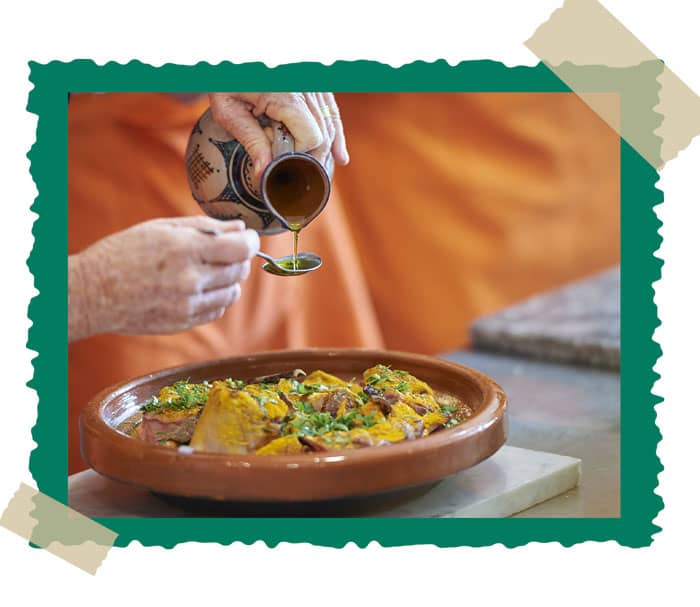
Engage Meaningfully with Locals
Slow travel encourages interaction with the people who make Morocco so unique. Visiting family-run workshops, local markets, and community projects provides opportunities to understand daily life, traditions, and values. These personal connections turn a simple visit into a story, creating lasting memories and deeper appreciation for Moroccan culture.
By taking the time to explore Morocco’s medinas, festivals, cuisine, and people, travelers experience the country in a way that is rich, rewarding, and authentically Moroccan. This deliberate, unhurried approach is exactly what makes slow travel in Morocco so special.

Discover Morocco’s Natural Landscapes
One of the biggest draws for travelers embracing slow travel in Morocco is its diverse and breathtaking landscapes. From towering mountains to golden deserts and serene coastlines, the country encourages exploration at a relaxed pace, giving travelers time to connect with nature and local communities.
Trekking and Villages in the Atlas Mountains
The Atlas Mountains are a haven for those who want to escape the hustle of city life. By taking your time to trek through valleys and high peaks, you can discover remote Berber villages, witness traditional lifestyles, and enjoy panoramic views that reward patience. Multi-day hikes allow for meaningful interactions with locals, overnight stays in family-run guesthouses, and moments of quiet reflection surrounded by nature.
Sahara Desert Adventures at a Leisurely Pace
The Sahara Desert offers an unforgettable slow travel experience. Instead of a quick tour, consider spending several days on a camel trek or in a desert camp. Nights under the starlit sky, storytelling by the campfire, and mornings greeted by the golden dunes provide a sense of timelessness. Visiting nomadic communities and learning about desert survival techniques adds depth and authenticity to the journey.
Relaxing Along Morocco’s Coasts and Beaches
Morocco’s coastline is equally suited to slow exploration. Coastal towns like Essaouira and Agadir combine relaxed seaside vibes with rich local culture. Strolling along beaches, visiting fish markets, or trying your hand at surfing allows for a gentle pace. Essaouira’s historic port, bustling medina, and music festivals reward those who linger and explore without rushing.
These natural landscapes make Morocco perfect for travelers who want to slow down and fully experience their surroundings, blending adventure with reflection and cultural immersion.
Unique Accommodations for Immersive Stays
Riads: Experience Traditional Moroccan Homes
Staying in a traditional riad, a Moroccan house built around a central courtyard, is one of the most authentic ways to enjoy slow travel in Morocco. Riads often feature intricate tilework, carved wood, and peaceful gardens that provide a tranquil escape from the lively medinas. Each room tells a story through its architecture and décor, reflecting centuries of Moroccan artistry. Walking through the quiet corridors, sipping mint tea in the courtyard, or watching the sun filter through delicate latticework allows travelers to pause and appreciate the beauty of their surroundings. Many riads are family-run, giving visitors an opportunity to interact with locals, hear their stories, and experience true Moroccan hospitality. Staying in a riad encourages a slower pace, where meals, conversations, and quiet moments are savored. Unlike standard hotels, riads immerse you in the heart of the city while providing a serene retreat. Guests often discover hidden nooks and peaceful terraces perfect for reflection. Choosing a riad adds a personal, cultural dimension to the journey that becomes an essential part of the travel experience. By lingering here, travelers truly feel connected to Moroccan heritage.

Ready to Experience Slow Travel in Morocco?
Discover the magic of Morocco at your own pace. From wandering historic medinas to sleeping under the starry Sahara sky, every moment can be immersive and unforgettable.
Plan Your Slow Travel Adventure Today!
Kasbahs: Stay in Historical Forts
In Morocco’s rural regions, Kasbah Ait Ben Haddou—a fortified home made from mud, clay, and stone—is a UNESCO World Heritage site that offers an unforgettable window into the country’s past. This ancient kasbah overlooks valleys and riverbeds, giving travelers breathtaking views and a sense of historical significance. Inside, rooms are simple yet charming, decorated with traditional fabrics, rugs, and local craftsmanship. Walking through the thick walls and winding passageways allows you to imagine life centuries ago, while the surrounding landscapes encourage slow exploration and reflection. Staying in or near Ait Ben Haddou often includes opportunities to meet local families, share meals, and hear stories about the area’s history. Mornings might begin with the quiet sounds of village life or the distant call of nature, far from the noise of the city. Evenings are perfect for watching sunsets over rugged landscapes or enjoying a calm night under a canopy of stars. Kasbah stays promote a deliberate, unhurried pace, allowing travelers to absorb both culture and scenery. The combination of history, architecture, and location makes each visit a deeply immersive experience that lingers long after departure.

Desert Camps: Nights Under the Stars
For a truly magical experience, spending a few nights in a Sahara desert camp is ideal for slow travel in Morocco. Travelers can enjoy camel rides across golden dunes, taking in the endless desert landscape at a relaxed pace. Nights are spent in tents with traditional Berber décor, gathering around a campfire to share stories, music, and local cuisine. The silence of the desert, broken only by the wind, creates an atmosphere perfect for reflection and mindfulness. Mornings greet travelers with stunning sunrises over rolling dunes, inviting gentle walks or meditative moments. Camps are often hosted by local nomadic families, providing authentic insight into desert life and traditions. Stargazing in the vast open sky becomes a magical, unhurried experience, unmatched anywhere else. Meals, prepared on open fires, are savored slowly, allowing time to taste and appreciate the flavors and the moment. Spending extended time in the desert emphasizes patience, connection with nature, and cultural learning. Every moment in a desert camp encourages travelers to slow down and embrace the serenity and wonder of the Sahara.

Eco-Lodges and Guesthouses: Sustainable Stays
Morocco’s eco-lodges and guesthouses offer meaningful travel experiences that combine comfort with sustainability and cultural immersion. These accommodations focus on using local materials, renewable energy, and supporting community initiatives, making them perfect for conscious travelers. Many are family-run, offering personalized attention and opportunities to interact with locals while learning about traditional practices. Staying in an eco-lodge encourages a slower, mindful approach to travel, where each activity and interaction is intentional. Guests can participate in workshops, tours, or cultural programs organized by the lodge, providing insight into local life and heritage. The design of these lodges often reflects Moroccan aesthetics, with courtyards, terraces, and gardens that invite relaxation and reflection. Meals are typically prepared with locally sourced ingredients, offering an authentic taste of Moroccan cuisine. The serene surroundings, combined with eco-conscious practices, allow travelers to unwind while respecting the environment. Choosing such a stay ensures that your visit leaves a positive impact on the community and the landscape. Eco-lodges turn every moment into a learning experience, reinforcing the values of slow, thoughtful travel in Morocco.

Mindful Exploration Activities
Walking Tours: Discover Morocco at a Gentle Pace
Walking through Morocco’s cities, medinas, and countryside is one of the most rewarding ways to experience slow travel. Taking your time on guided or self-guided walking tours allows you to notice architectural details, street art, and local interactions that often go unseen on fast-paced trips. Meandering through narrow alleys, stopping at small shops, and observing daily life gives travelers a deeper understanding of Moroccan culture. Walking also encourages spontaneous encounters, like joining a local for tea or discovering a hidden courtyard tucked away from the main streets. The slower pace lets you truly absorb the sights, sounds, and smells of Morocco, from spice markets to traditional bakeries. Each step becomes part of a story, connecting you with both the history and the present life of the city. Walking tours offer flexibility, allowing travelers to linger wherever their curiosity leads. This immersive approach turns even a simple stroll into an enriching cultural journey.
Cycling and Scenic Train Journeys: Experience Landscapes Mindfully
Exploring Morocco by bicycle or train provides a unique, unhurried perspective on its landscapes. Cycling through small villages, mountain paths, or along the coastline allows travelers to feel the rhythm of local life while enjoying fresh air and scenic views. Train journeys, such as the route between Fes and Marrakech, showcase stunning scenery at a comfortable pace, with time to admire the changing landscapes, from fertile valleys to desert plains. Both options encourage travelers to slow down, take in their surroundings, and appreciate the variety of Morocco’s geography. Along the way, stops at local markets or artisan workshops can add memorable cultural encounters. Unlike hurried car tours, cycling and trains allow you to connect with the environment and communities around you, creating a deeper sense of place. These mindful travel methods turn transportation itself into an experience rather than just a way to get from point A to B.
Cultural Workshops: Learn Local Crafts and Traditions
Participating in cultural workshops is another way to embrace slow travel in Morocco. From pottery, weaving, and leatherwork to cooking classes and music lessons, these hands-on experiences offer travelers the chance to engage directly with local traditions. Taking the time to learn a craft fosters appreciation for the skill and patience required to master it. Many workshops are hosted by local families or artisans, providing personal insight into Moroccan culture and daily life. Travelers can leave with both a tangible souvenir and a meaningful understanding of the craft. By slowing down and practicing these activities, you connect with Morocco in a way that is both educational and emotionally rewarding. These immersive experiences emphasize the journey of learning over the rush to complete a checklist of sights.
Mindful Interaction with Locals
Slow travel in Morocco is not just about sights and activities—it’s also about meaningful human connections. Engaging with locals, whether through conversation, shared meals, or community visits, adds depth to every journey. Spending time listening to personal stories, observing traditions, or helping in small community projects allows travelers to understand the values, struggles, and joys of Moroccan life. These moments encourage reflection and empathy, making the travel experience more authentic and memorable. Slow travel creates opportunities for travelers to move beyond being mere spectators to becoming participants in the life of the country. By prioritizing these interactions, every day becomes richer, and the memories formed go far beyond the typical tourist experience.
Practical Tips for Slow Travel in Morocco
Best Times to Visit for a Relaxed Journey
Choosing the right time to visit Morocco can greatly enhance a slow travel experience. The most comfortable periods are spring (March to May) and autumn (September to November), when temperatures are moderate and sightseeing is pleasant. During these months, the streets, markets, and natural attractions are less crowded, allowing travelers to linger, explore, and fully absorb their surroundings. Summers in the desert and inland cities can be extremely hot, making slow exploration challenging, while winters in the mountains may bring snow and limit access to remote villages. By planning your trip around mild weather, you create the perfect conditions to move at a relaxed pace and truly enjoy every moment.
Transportation Options That Encourage Slow Travel
Morocco offers several transportation methods ideal for slow travel. Trains connect major cities comfortably while providing scenic views of valleys, mountains, and plains. Buses and grand taxis allow you to explore smaller towns and rural areas, often with stops at local markets and villages. For a more immersive experience, cycling or walking through cities, medinas, and nature trails lets you connect with local life at an unhurried pace. Avoiding overly fast itineraries or packed schedules ensures you can explore each location thoughtfully and without stress.
Respectful Interaction with Local Communities
A key part of slow travel in Morocco is understanding and respecting local customs. Dressing modestly, greeting with traditional phrases, and observing social etiquette helps build positive interactions with locals. Taking the time to listen, ask questions politely, and show appreciation for crafts or services creates authentic cultural exchanges. Small gestures of respect can lead to meaningful connections, invitations into homes, or participation in local traditions that would otherwise remain inaccessible to hurried tourists.
Planning Your Itinerary Mindfully
Rather than trying to see everything, focus on fewer destinations and allow more time in each. Prioritize experiences that encourage engagement with culture, nature, and community. This might include extended stays in medinas, multi-day treks in the mountains, or desert camps where the pace is naturally slower. By giving yourself space to explore gradually, you enhance your understanding and enjoyment of Morocco.
Balancing Comfort and Adventure
Slow travel is about finding a balance between comfort and authentic experiences. Choosing accommodations that reflect local culture—like riads, kasbahs, desert camps, or eco-lodges—can enrich your stay. Planning activities that match your energy level, interest, and curiosity ensures a fulfilling journey without burnout. A thoughtful balance allows travelers to remain present, enjoy every moment, and return home with deeper memories.
Conclusion:
Morocco is truly a dream destination for travelers who want to embrace slow travel in Morocco. Its rich culture, historic medinas, breathtaking landscapes, and welcoming communities provide endless opportunities to explore at a relaxed, meaningful pace. By wandering through ancient streets, savoring traditional cuisine, participating in cultural festivals, and staying in authentic accommodations like riads, kasbahs, or desert camps, visitors can connect deeply with the country’s heritage and way of life. The diverse natural scenery—from the peaks of the Atlas Mountains to the golden dunes of the Sahara and the serene coastlines—rewards those who take their time to appreciate it fully. Slow travel encourages mindfulness, cultural engagement, and memorable human connections, turning every moment into an immersive experience rather than a rushed checklist.
By planning thoughtfully, respecting local traditions, and choosing experiences that allow for reflection and interaction, travelers can create a journey that is both enriching and unforgettable. Whether it’s sharing tea with a local family, trekking through remote villages, or simply watching the sunset over the desert, Morocco offers countless ways to slow down and savor life. Start planning your slow travel in Morocco today to immerse yourself in its beauty, culture, and rhythms at your own pace—and discover why this North African gem is perfect for those who wish to experience travel the mindful, meaningful way.
+212 600 000 000
WowMoroccoTours@gmail.com
The post What Makes Morocco Perfect for Slow Travel appeared first on Wow Morocco Tours.
]]>
Discover the Best Morocco Holiday Deals for Your Dream Adventure
Morocco, a land of vibrant culture, stunning landscapes, and ancient traditions, is a dream destination for travelers seeking adventure, relaxation, or a mix of both. If you’re planning your next getaway, taking advantage of Morocco holiday deals can help you experience the country’s magic without breaking the bank. From the bustling souks of Marrakech to the vast Sahara Desert and the tranquil beaches along the Atlantic coast, Morocco offers something for everyone. In this guide, we’ll explore how to find the best deals, what to expect, and tips to make the most of your Moroccan adventure.
In this guide, we’ll explore everything you need to know about starting your surfing journey in Taghazout, from choosing the right surf camp to what to expect during your stay.
Why Morocco is the Perfect Holiday Destination
Morocco’s charm lies in its diversity. Whether you are a culture enthusiast, nature lover, foodie, or adventure seeker, Morocco has it all:
- Cultural Experiences: Wander through ancient medinas, admire the intricate architecture of palaces, and enjoy traditional music performances.
- Natural Wonders: From the majestic Atlas Mountains to the golden dunes of the Sahara, Morocco’s landscapes are breathtaking.
- Delicious Cuisine: Savor tagines, couscous, pastilla, and fresh mint tea in local markets or traditional riads.
- Vibrant Markets: The souks are a treasure trove of spices, textiles, pottery, and unique handicrafts.
With so much to see and do, finding affordable Morocco holiday deals ensures you can experience more without worrying about overspending.

How to Find the Best Morocco Holiday Deals
Scoring great deals for a Moroccan adventure requires a mix of research, flexibility, and timing. Here are some proven strategies:
1. Book Early or Last Minute
- Early Booking: Planning months ahead often comes with discounted rates on flights, hotels, and tours.
- Last-Minute Offers: If you have a flexible schedule, some agencies and airlines offer significant last-minute discounts.
2. Compare Packages
Look for all-inclusive Morocco holiday deals or package tours that bundle accommodation, transport, and activities. Comparing multiple providers ensures you get the best value.
3. Consider the Season
- Peak Season (March–May, September–November): Ideal weather but slightly higher prices.
- Off-Peak Season (June–August, December–February): Lower prices and fewer crowds, though some areas can be very hot in summer.
4. Explore Local Travel Agencies
Local agencies often provide exclusive deals and personalized packages. They can customize trips according to your preferences and budget.
5. Use Online Resources
Websites, travel forums, and deal aggregators can help you track promotions and special offers.

Top Morocco Destinations Included in Holiday Deals
A well-rounded Morocco holiday deal often covers a combination of the following destinations:
Marrakech: The Heart of Moroccan Culture
Marrakech, known as the “Red City,” is famous for its vibrant souks, stunning palaces, and bustling Jemaa el-Fnaa square. Highlights include:
- Majorelle Garden: A serene oasis with exotic plants.
- Bahia Palace: A masterpiece of Moroccan architecture.
- Traditional Riads: Stay in authentic Moroccan guesthouses for a unique experience.
The Sahara Desert: Adventure Under the Stars
No Morocco trip is complete without exploring the Sahara. Many Morocco holiday deals with desert tours include:
- Camel trekking across sand dunes
- Overnight stays in Berber-style desert camps
- Stargazing under the clear desert sky
Fes: A Step Back in Time
Fes is a UNESCO World Heritage site and a cultural hub. Explore:
- Fes el-Bali: One of the world’s oldest medinas
- Leather Tanneries: Witness traditional leather-making techniques
- Local Cuisine: Sample authentic Moroccan dishes in a historic setting
Essaouira: Coastal Charm
For a laid-back coastal vibe, Essaouira is perfect. Activities often included in holiday deals:
- Kite surfing and windsurfing
- Exploring the fortified medina
- Enjoying fresh seafood along the port
Atlas Mountains: Nature and Adventure
Ideal for hiking enthusiasts, the Atlas Mountains provide stunning landscapes, Berber villages, and adventure opportunities such as trekking and biking.
Types of Morocco Holiday Deals
Travelers can choose from a variety of deals tailored to different interests:
1. Cultural Tours
Experience Morocco’s history, architecture, and traditions. Includes guided city tours, museum visits, and cooking classes.
2. Adventure Packages
Perfect for thrill-seekers. May include hiking in the Atlas Mountains, desert safaris, or quad biking in the dunes.
3. Beach & Relaxation Deals
Focus on the coastal regions of Agadir or Essaouira with luxury resorts, spa treatments, and beach activities.
4. Luxury Experiences
High-end packages featuring five-star accommodations, private tours, and personalized services.
5. Budget-Friendly Packages
For those traveling on a budget, options include shared accommodations, group tours, and limited yet exciting itineraries.

Why Learning to Surf in Taghazout is a Unique Experience
Beyond surfing, Taghazout offers an unforgettable cultural and scenic experience:
-
Breathtaking sunsets: The coastline is perfect for post-surf relaxation.
-
Moroccan cuisine: Enjoy fresh seafood, tagines, and mint tea.
-
Friendly locals: The town is welcoming, making it easy to socialize.
-
Adventure beyond surfing: Explore nearby villages, hike the Atlas Mountains, or ride camels along the beach.
Your surf camp experience becomes more than just lessons; it’s a full Moroccan adventure.
Tips to Maximize Your Morocco Holiday Deal
Getting the most value from your trip requires smart planning. Here are some insider tips:
- Flexibility: Be flexible with dates and destinations to unlock better deals.
- Group Travel: Traveling in a group often reduces costs per person.
- Local Transportation: Using trains or buses can save money compared to private transfers.
- Negotiate Wisely: Bargaining is part of the Moroccan experience, especially in markets and with local guides.
- Plan Activities in Advance: Some tours offer early-bird discounts for excursions or experiences.
Why Booking Through Trusted Providers Matters
Booking through reputable agencies ensures reliability, safety, and a hassle-free experience. Many Morocco holiday deals with local tour operators include expert guides, accommodations vetted for quality, and well-planned itineraries. This not only saves time but also ensures a richer, more authentic experience.
For more information and to plan your trip, contact us here. Our experts can help you design a tailor-made adventure, taking full advantage of the best deals and experiences Morocco has to offer.

Your Morocco Holiday Deals adventure is calling!
From the colors of Marrakech to the silence of the Sahara, your journey through Morocco will stay with you long after you return home — in your stories, your photos, and the memories you’ll carry forever.
Ready to plan your Morocco Holiday Deals getaway?
Start your dream trip with just one click!
Sample Itinerary for a 7-Day Morocco Holiday
Here’s an example of what a well-rounded holiday package might include:
Day 1-2: Arrival in Marrakech, guided city tour, and traditional Moroccan dinner
Day 3: Travel to the Atlas Mountains, overnight stay in a Berber village
Day 4-5: Sahara Desert excursion with camel trekking and overnight camp
Day 6: Fes city tour, exploring medinas and artisan workshops
Day 7: Return to Marrakech, free time for shopping and departure
This kind of itinerary is often included in all-inclusive Morocco holiday deals, offering a balanced mix of adventure, culture, and relaxation.
Conclusion: Unlock the Magic of Morocco with Holiday Deals
Exploring Morocco is an unforgettable experience, and the right Morocco holiday deals make it accessible, affordable, and enjoyable. From the vibrant cities to serene deserts and picturesque coasts, every corner of Morocco offers a new adventure. By planning smartly, booking through trusted providers, and taking advantage of seasonal promotions, you can create a trip filled with memories, culture, and breathtaking sights.
Don’t wait to turn your Moroccan dreams into reality. Contact us here to explore the best holiday deals and start planning your adventure today. With the right guidance and packages, Morocco is ready to welcome you with open arms.
+212 600 000 000
WowMoroccoTours@gmail.com
The post Discover the Best Morocco Holiday Deals for Your Dream Adventure appeared first on Wow Morocco Tours.
]]>
Top Places to Go Cycling in Morocco: Explore Mountains, Deserts, and Coastlines
Introduction – Cycling in Morocco: An Adventure Like No Other
Cycling in Morocco offers a unique way to experience the country’s incredible diversity. From the snow-capped peaks of the High Atlas Mountains to the golden dunes of the Sahara Desert, and from winding valley trails to serene coastal roads, Morocco provides cycling routes for every type of traveler. Unlike traditional sightseeing, cycling lets you slow down, feel the landscape, and immerse yourself in the culture of the villages and towns you pass along the way.
Whether you are an experienced cyclist seeking challenging mountain climbs, a nature lover hoping for peaceful countryside rides, or an adventure seeker ready to tackle desert sands, Morocco has a trail for you. The combination of breathtaking scenery, rich culture, and the opportunity to engage directly with local communities makes cycling in Morocco more than just a sport—it’s a full cultural experience.
In this guide, we’ll explore the top places to go cycling in Morocco, covering mountains, deserts, valleys, coastal routes, and cities. By the end, you’ll have all the inspiration and practical tips you need to plan your next cycling adventure in this captivating country.
Why Cycling in Morocco Is a Unique Experience
Cycling in Morocco is not just about covering distance—it’s about experiencing the country in a way that few other travelers do. Unlike bus tours or car trips, biking allows you to feel the landscapes, hear the rhythm of daily life, and interact directly with the people and environment around you. Every pedal stroke can take you from bustling city streets to quiet mountain paths, from palm-lined valleys to remote desert tracks, offering a truly immersive adventure.
One of the most remarkable aspects of cycling in Morocco is the country’s diverse terrain. In the High Atlas Mountains, cyclists can face challenging climbs that reward them with panoramic views of snow-capped peaks, terraced valleys, and traditional Berber villages. Down south, the desert presents a completely different environment—long stretches of sand, shifting dunes, and endless skies that make every ride feel like a journey into another world. Along the Atlantic coast, smooth roads and ocean breezes create a more relaxed cycling experience, perfect for those looking to combine sightseeing with light exercise.
But cycling in Morocco is not only about nature. It’s also a cultural journey. Stopping in small villages along the way, cyclists have the opportunity to visit markets, sample local cuisine, and witness traditional crafts and customs. Even a short ride can lead to meaningful interactions with locals, giving travelers a deeper understanding of Moroccan life that is impossible to achieve from a car or bus.
Another reason Morocco is perfect for cycling is its accessibility for all levels. Beginners can enjoy gentle valley rides or coastal paths, while seasoned cyclists can challenge themselves on steep mountain passes or multi-day desert expeditions. There’s also an increasing number of guided bike tours and cycling-friendly accommodations, making it easier for travelers to plan trips that match their skill level and interests.
In short, cycling in Morocco combines adventure, culture, and scenic beauty in a way that is uniquely rewarding. Whether you’re seeking high-adrenaline mountain climbs, peaceful countryside routes, or unforgettable desert landscapes, Morocco offers an experience that will leave every cyclist inspired and eager to explore more.
High Atlas Mountains: Challenging and Scenic Routes
The High Atlas Mountains are among Morocco’s most breathtaking and iconic landscapes, offering a dramatic backdrop for any cycling adventure. Stretching across the center of the country, these mountains feature towering peaks, deep valleys, and winding trails that attract cyclists from around the world. Riding here is an experience like no other, combining physical challenge with awe-inspiring scenery.
The region is dotted with remote Berber villages, where travelers can witness traditional lifestyles and enjoy warm local hospitality. Mountain passes provide thrilling climbs and rewarding descents, making every ride an unforgettable journey. Lush valleys, terraced fields, and cascading streams add natural beauty to the routes.
For cyclists seeking both adventure and cultural immersion, the High Atlas is a perfect destination. Trails vary from beginner-friendly paths to challenging tracks for experienced riders. Every pedal stroke brings new vistas, fresh air, and a deeper connection with Morocco’s heartland. Exploring the High Atlas by bike is truly a once-in-a-lifetime experience.
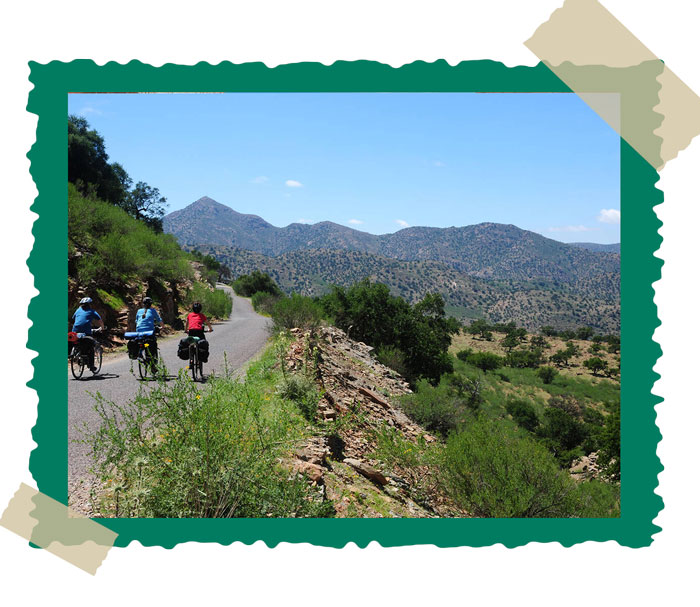
Popular Cycling Routes in the High Atlas
One of the most popular regions for cycling is the Toubkal area, named after the highest peak in North Africa. Riders can start from the village of Imlil, a picturesque town nestled at the foot of snow-capped mountains, and gradually ascend through winding paths surrounded by terraced fields, orchards, and cascading streams. The climbs here can be demanding, with steep gradients and rocky trails, but the panoramic views and the sense of achievement at each summit make the effort worthwhile.
Cyclists can also explore the Azzaden Valley and Ourika Valley, where routes wind through lush landscapes dotted with traditional Berber homes. Along the way, travelers can stop in small villages to enjoy local mint tea, homemade bread, and the warmth of Berber hospitality. These valleys are perfect for those who want a more relaxed ride without sacrificing the mountain scenery.
Tips for Cycling in the High Atlas Mountains
-
Best Season: Spring and autumn, when temperatures are mild and the roads are clear of snow.
-
Gear: A sturdy mountain bike is recommended for rough trails; bring layers, as weather can change quickly.
-
Guides & Tours: For first-time visitors, guided tours provide local knowledge, safe navigation, and access to hidden trails.
-
Accommodation: Guesthouses in villages or mountain lodges provide both comfort and local experiences.
Why the High Atlas Is a Must-Visit for Cyclists
The High Atlas Mountains offer more than just physical challenges—they provide a cultural and natural immersion that makes cycling in Morocco unforgettable. Every ride is a journey through dramatic landscapes, traditional communities, and the heart of Moroccan mountain life, making this region a must-visit for adventurous cyclists.
Sahara Desert: Cycling Through Sand and Dunes
The Sahara Desert is one of Morocco’s most iconic and awe-inspiring landscapes, offering cyclists an experience unlike anywhere else on Earth. Endless golden dunes stretch as far as the eye can see, while vast open skies create a sense of freedom and adventure. Quiet desert tracks wind through the sand, allowing cyclists to immerse themselves fully in this otherworldly environment.
Every pedal stroke in the Sahara feels like a journey into a dreamlike world, where time slows and the landscape dominates your senses. The region tests endurance, as heat, sand, and long distances challenge even experienced riders. Yet the reward is unmatched—the tranquility, the shifting patterns of the dunes, and the stunning sunrises and sunsets over the desert horizon.
Cyclists can explore remote Berber villages along the way, experiencing local culture and hospitality. Camel caravans, traditional music, and desert markets add cultural depth to the adventure. For those seeking both challenge and serenity, cycling in the Sahara Desert is a truly unforgettable experience.
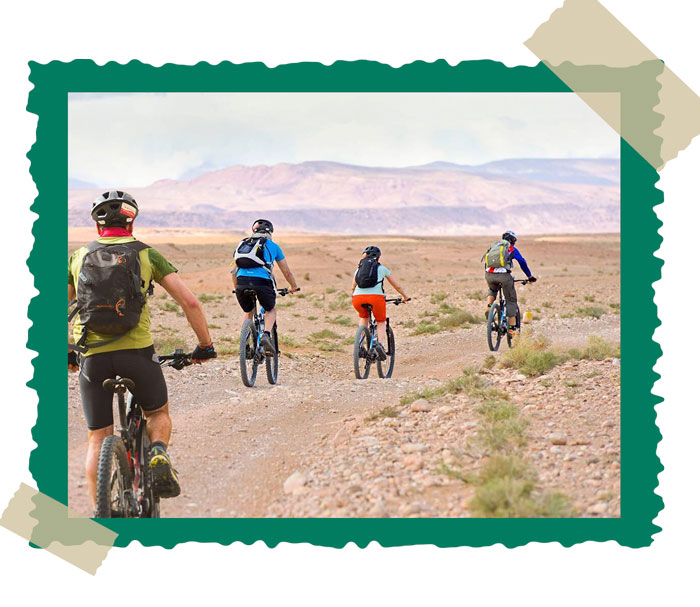
Erg Chebbi vs. Erg Chigaga – Choosing Your Desert Route
Two of the most popular desert regions for cycling are Erg Chebbi near Merzouga and Erg Chigaga near M’hamid. Erg Chebbi is more accessible, with nearby villages, guided tours, and well-trodden desert paths. Erg Chigaga, on the other hand, offers a wilder experience, with more remote dunes and fewer tourists, perfect for cyclists looking for solitude and a real sense of adventure.
Practical Tips for Cycling in the Desert
-
Best Season: Autumn and spring, when temperatures are milder; summer can be extremely hot.
-
Gear: Fat bikes or mountain bikes with wide tires are recommended for sand; carry extra water and sun protection.
-
Guided Tours: Highly recommended for first-time desert cyclists, providing navigation, local knowledge, and safety.
-
Camping: Many tours include desert camps where travelers can experience the night under the stars.
Cultural Highlights Along the Desert Routes
Cycling through the Sahara is not just about the dunes. Along the way, cyclists can visit small Berber villages, interact with nomadic communities, and witness traditional desert life. Sampling local tea, exploring desert markets, or stopping to admire ancient rock carvings adds a rich cultural layer to the adventure.
Why the Sahara Desert Is a Must-Do for Cyclists
Cycling in the Sahara offers a unique combination of challenge, beauty, and cultural immersion. Riding across vast sand dunes, witnessing dramatic sunrises and sunsets, and connecting with the desert way of life creates memories that last a lifetime. For adventure-seekers, the Sahara is an essential part of any Moroccan cycling journey.
Ready to Explore Morocco on Two Wheels?
Discover Morocco like never before—cycling through mountains, deserts, valleys, and coastal roads. Whether you’re an adventure seeker or a casual rider, your ultimate cycling journey awaits!
Contact us now and start your Moroccan cycling adventure!
Coastal Routes: Atlantic and Mediterranean Adventures
Morocco’s coastline offers cyclists an entirely different experience compared to the country’s mountains or deserts. Stretching along both the Atlantic Ocean and the Mediterranean Sea, the coastal routes showcase miles of sandy beaches, dramatic cliffs, and charming fishing villages. Riding along these roads combines relaxation, scenic beauty, and cultural exploration, making it ideal for cyclists of all levels.
The Atlantic coast features towns like Essaouira and Agadir, where ocean breezes and beachfront paths provide a refreshing cycling experience. The Mediterranean coast, particularly around Tangier, offers cliffside roads, historic towns, and picturesque harbors perfect for leisurely exploration. Smooth terrain and moderate hills make these routes accessible to beginners and casual riders alike.
Cyclists can stop frequently to sample local seafood, enjoy café culture, or explore markets and historical sites. Early morning rides allow you to enjoy quiet roads and stunning sunrises over the water. Coastal cycling in Morocco provides a perfect balance of activity, sightseeing, and cultural immersion. For those seeking a more relaxed yet visually striking ride, the coastline is an unforgettable destination.
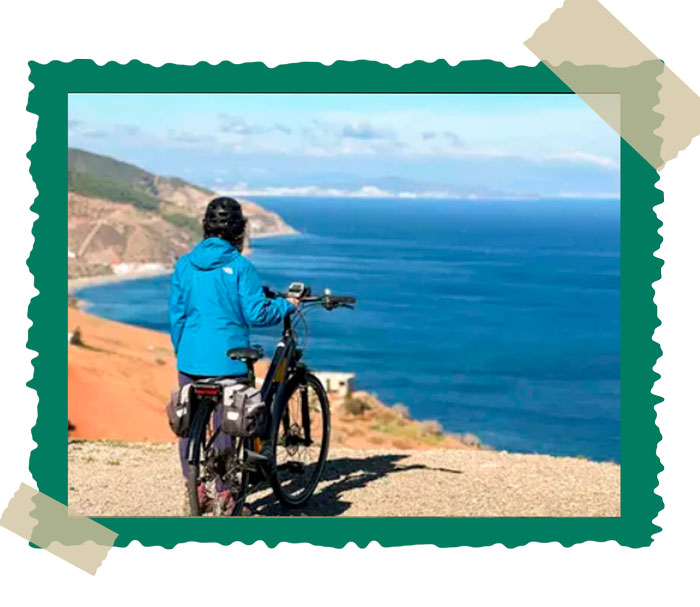
Atlantic Coast – Essaouira and Agadir
The Atlantic coastline, particularly around Essaouira and Agadir, is perfect for those seeking scenic, peaceful rides. Essaouira’s windy shores provide a refreshing challenge for cyclists, while the town itself, with its blue-and-white medina and lively port, is a cultural highlight. Agadir, known for its long beaches and modern infrastructure, offers a more relaxed cycling experience with well-paved roads and beachside trails. Both destinations allow cyclists to stop frequently for local seafood, explore coastal markets, or enjoy the ocean views.
Mediterranean Coast – Tangier and Northern Morocco
The northern Mediterranean coast, around Tangier and its surroundings, offers dramatic cliffside roads, quiet beaches, and historical towns. Cycling here combines moderate hills with flat stretches along the water, making it accessible for cyclists of all levels. Along the way, travelers can explore charming fishing villages, sample traditional cuisine, and experience the blend of Moroccan and European influences that make this region unique.
Tips for Cycling Along Morocco’s Coast
-
Best Season: Spring and autumn offer mild temperatures and steady winds; summer can be hot near Agadir.
-
Gear: Road or hybrid bikes work well; bring a light windbreaker for coastal breezes.
-
Navigation: Coastal roads are generally safe, but watch for local traffic in towns.
-
Accommodation: Beachfront hotels, riads, and guesthouses make it easy to plan multi-day rides.
Why Coastal Cycling Shouldn’t Be Missed
Cycling along Morocco’s coastline offers a relaxing contrast to the mountains and deserts, with the added bonus of cultural exploration in historic towns and fishing villages. Whether it’s a leisurely ride along the sand dunes of Essaouira or a scenic cliffside path near Tangier, the Atlantic and Mediterranean routes provide a memorable and accessible cycling experience.
Valleys and Countryside: Peaceful Cycling Escapes
Beyond Morocco’s mountains, deserts, and coastline, the country’s valleys and countryside provide some of the most scenic and tranquil cycling routes in the region. Rolling hills, lush green orchards, winding rivers, and traditional villages create an idyllic backdrop for cyclists seeking both nature and cultural immersion. These quieter routes allow riders to slow down, enjoy the landscape, and truly connect with the country’s rural charm.
Cyclists can explore valleys like the Ourika, Dadès, and Aït Bougmez, each offering its own unique beauty. The Ourika Valley features terraced fields, cascading waterfalls, and vibrant local markets, perfect for gentle rides and sightseeing. The Dadès Valley, with its dramatic cliffs and historic kasbahs, offers more challenging terrain and photogenic views. Aït Bougmez, also known as the “Happy Valley,” is lush, peaceful, and ideal for leisurely rides surrounded by mountains.
Along the way, cyclists can stop in small villages to sample homemade bread, fresh mint tea, and traditional Moroccan dishes. The welcoming local communities provide opportunities to learn about Berber culture, agriculture, and handicrafts. Valleys and countryside routes offer a balanced cycling experience, combining serene landscapes, cultural encounters, and gentle adventure for riders of all levels.
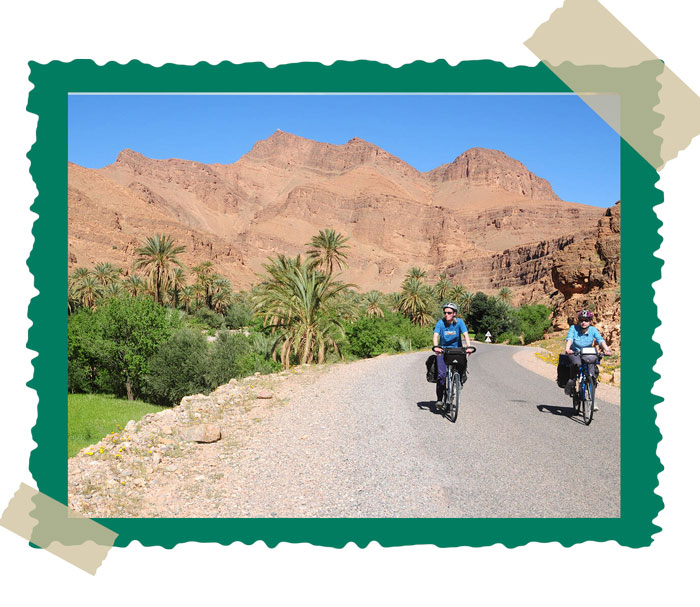
Ourika Valley – Lush Landscapes and Waterfalls
Located just 30 kilometers from Marrakech, the Ourika Valley is one of the most accessible countryside cycling destinations in Morocco. Cyclists can ride along the Ourika River, passing small villages and traditional markets, and enjoy views of terraced fields and olive groves. The valley is famous for its waterfalls, which provide a refreshing stop for cyclists on a sunny day. Local cafés and family-run restaurants offer authentic Moroccan meals, making it a perfect half-day or full-day cycling route.
Dadès Valley – Dramatic Landscapes and Kasbahs
The Dadès Valley, often called the “Valley of a Thousand Kasbahs,” is renowned for its stunning rock formations, winding roads, and historic fortified homes. Cycling here offers a mix of moderate climbs and flat stretches, with dramatic scenery around every corner. Stops along the route allow travelers to explore centuries-old kasbahs, meet local Berber families, and enjoy traditional Moroccan tea. This valley is ideal for cyclists seeking photogenic landscapes and cultural immersion.
Aït Bougmez Valley – The Happy Valley
Nestled in the heart of the High Atlas, the Aït Bougmez Valley, also known as the “Happy Valley,” offers gentle terrain and lush greenery. Cyclists can enjoy quiet roads surrounded by barley fields, apple orchards, and mountain views. This valley is less touristy than other regions, making it perfect for those who prefer peaceful rides and authentic rural experiences. Village stops allow cyclists to experience Berber hospitality, from tasting homemade bread to learning about traditional farming practices.
Tips for Cycling in Morocco’s Valleys and Countryside
-
Best Season: Spring and autumn, when temperatures are comfortable and the landscape is at its most vibrant.
-
Gear: Hybrid or mountain bikes are ideal for mixed terrain.
-
Accommodation: Local guesthouses, riads, and small hotels provide authentic stays.
-
Local Interactions: Take time to visit villages, try local dishes, and engage with communities for a richer experience.
Why Valleys and Countryside Routes Are Special
Cycling through Morocco’s valleys and countryside offers a peaceful, immersive experience that balances adventure with relaxation. From lush river valleys to dramatic rocky landscapes, these routes showcase the country’s natural beauty while providing opportunities to connect with its culture and people. For cyclists looking to escape crowds and enjoy scenic tranquility, the valleys are a must-visit part of any Moroccan cycling adventure.
City Cycling: Explore Moroccan Cities on Two Wheels
Cycling in Morocco isn’t limited to mountains, deserts, or countryside routes; the country’s vibrant cities also offer unique and exciting opportunities for urban riders. From historic medinas to wide modern boulevards, city cycling allows travelers to experience Morocco’s culture, architecture, and daily life in an intimate and engaging way. Riding through bustling streets and quiet neighborhoods alike, cyclists can explore the country at their own pace while enjoying the sights, sounds, and flavors of city life.
In Marrakech, cyclists can navigate the lively medina, discover hidden courtyards, and then ride to peaceful gardens such as the Majorelle Garden. Fes offers a fascinating blend of ancient streets, artisan workshops, and colorful markets, providing endless opportunities for cultural immersion while riding. Casablanca, with its modern boulevards and beachfront promenades, offers a smoother cycling experience and stunning coastal views.
Urban cycling also allows riders to stop for local food, coffee, or traditional mint tea at any time, making it a flexible and enjoyable way to explore. Early morning rides are perfect for avoiding traffic and enjoying cooler temperatures. City cycling in Morocco blends adventure, culture, and fitness, offering travelers a dynamic and memorable perspective of the country that is impossible to achieve from a car or bus.
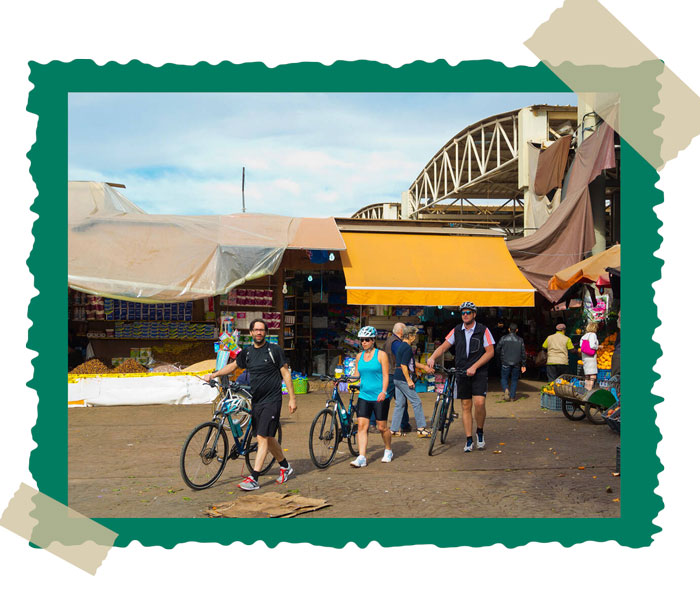
Marrakech – From Medina to Gardens
Marrakech is a city of contrasts, where bustling souks and quiet gardens coexist. Cyclists can explore the famous medina, weaving through narrow streets and discovering hidden courtyards, then pedal to the calmer Majorelle Garden or the modern districts surrounding Gueliz. While traffic can be busy in the city center, planning early-morning rides or guided city tours ensures a safe and enjoyable experience.
Fes – Ancient Streets and Cultural Treasures
Fes, with its sprawling medina, is a labyrinth of history, culture, and craftsmanship. While some areas are better explored on foot, cycling through the wider streets and surrounding neighborhoods gives riders a sense of the city’s scale and diversity. Stops can include artisan workshops, local markets, and traditional tea houses, allowing cyclists to immerse themselves in the city’s heritage while enjoying a slower pace of travel.
Casablanca – Modern Urban Cycling
Casablanca, Morocco’s largest city, offers a very different urban cycling experience. With wide boulevards, beachfront promenades, and modern infrastructure, it’s perfect for cyclists who enjoy road cycling or leisurely rides along the coast. Key stops include the Hassan II Mosque, the Corniche, and local cafés where riders can rest and enjoy the ocean views.
Tips for City Cycling in Morocco
-
Safety: Always wear a helmet and be mindful of local traffic rules. Moroccan drivers are generally tolerant of cyclists, but city streets can be busy.
-
Best Time: Early mornings or late afternoons are ideal for avoiding heavy traffic and enjoying cooler temperatures.
-
Bike Rentals: Many cities offer bike rental shops and guided tours for urban cyclists.
-
Navigation: GPS apps or local maps can help navigate winding medina streets.
Why Urban Cycling Enhances Your Moroccan Adventure
City cycling allows travelers to connect with Morocco’s daily life in a way that cars or buses simply cannot. From exploring historic sites to visiting local markets, riding through cities offers a combination of culture, sightseeing, and physical activity. For travelers looking to balance adventure with urban discovery, city cycling is an essential part of a complete Moroccan cycling journey.
Planning Your Cycling Trip in Morocco
Cycling in Morocco is an unforgettable adventure, but proper planning can make the difference between a smooth, enjoyable journey and a stressful experience. From choosing the best season to selecting the right gear and accommodations, thoughtful preparation ensures that cyclists of all levels can fully enjoy the country’s diverse landscapes and cultural experiences.
Best Seasons for Cycling in Morocco
The timing of your trip can greatly affect your experience. Spring (March to May) and autumn (September to November) are the most popular seasons, offering moderate temperatures, blooming landscapes, and fewer tourists. Winter can be ideal for coastal rides but may bring snow and cold conditions in the High Atlas Mountains, while summer can be extremely hot in the desert and southern regions, making long rides challenging.
Choosing the Right Gear
-
Bikes: Mountain bikes are recommended for rough trails in the mountains and deserts, while hybrid or road bikes work well for valleys, countryside, and urban routes. Fat bikes are ideal for sand dunes.
-
Clothing: Layered clothing is essential for changing temperatures, especially in the mountains. Breathable, moisture-wicking fabrics and sun protection are key.
-
Accessories: Helmets, gloves, hydration packs, repair kits, and lights should all be part of your gear for safety and convenience.
Guided Tours vs. Self-Guided Trips
-
Guided Tours: Perfect for first-time visitors or those unfamiliar with Moroccan terrain. Tours offer local expertise, navigation support, accommodations, and cultural insights.
-
Self-Guided Trips: Ideal for experienced cyclists seeking independence. Maps, GPS apps, and pre-booked accommodations are essential. Self-guided trips allow flexibility to explore at your own pace.
Accommodation Options for Cyclists
Morocco offers a wide range of cyclist-friendly accommodations, from guesthouses in mountain villages to riads in cities and desert camps in the Sahara. Many provide secure bike storage, local meals, and the chance to interact with communities, enhancing the cultural aspect of your trip.
Health, Safety, and Travel Tips
-
Stay hydrated, especially in desert and summer conditions.
-
Follow traffic rules and wear reflective gear when cycling in urban areas.
-
Be aware of altitude changes in the mountains and pace yourself.
-
Respect local customs and ask for permission before taking photos of people or villages.
Why Proper Planning Enhances Your Cycling Experience
Careful preparation ensures that you can enjoy Morocco’s landscapes, culture, and cycling routes safely and comfortably. From selecting the right season and gear to choosing between guided tours or independent exploration, planning transforms your cycling adventure into a seamless, unforgettable journey.
Conclusion :
Cycling in Morocco is more than just a sport—it’s a journey through some of the most diverse and breathtaking landscapes in the world. From the challenging peaks of the High Atlas Mountains to the golden dunes of the Sahara, from lush river valleys to serene coastal roads, Morocco offers cycling routes that cater to every level of rider. Each journey is an opportunity to connect with nature, experience local culture, and create lasting memories.
Whether you are an experienced cyclist seeking adventure or a casual rider looking for scenic routes, Morocco has something for everyone. Along the way, you can explore traditional Berber villages, historic kasbahs, vibrant medinas, and stunning natural wonders, all while enjoying the freedom and intimacy that comes with exploring the country on two wheels.
Now is the perfect time to start planning your Moroccan cycling adventure. Whether you choose a guided tour, a self-guided trip, or a mix of both, the routes, landscapes, and cultural experiences awaiting you are unforgettable.
+212 600 000 000
WowMoroccoTours@gmail.com
The post Top Places to Go Cycling in Morocco: Explore Mountains, Deserts, and Coastlines appeared first on Wow Morocco Tours.
]]>