
Top Places to Go Cycling in Morocco: Explore Mountains, Deserts, and Coastlines
Introduction – Cycling in Morocco: An Adventure Like No Other
Cycling in Morocco offers a unique way to experience the country’s incredible diversity. From the snow-capped peaks of the High Atlas Mountains to the golden dunes of the Sahara Desert, and from winding valley trails to serene coastal roads, Morocco provides cycling routes for every type of traveler. Unlike traditional sightseeing, cycling lets you slow down, feel the landscape, and immerse yourself in the culture of the villages and towns you pass along the way.
Whether you are an experienced cyclist seeking challenging mountain climbs, a nature lover hoping for peaceful countryside rides, or an adventure seeker ready to tackle desert sands, Morocco has a trail for you. The combination of breathtaking scenery, rich culture, and the opportunity to engage directly with local communities makes cycling in Morocco more than just a sport—it’s a full cultural experience.
In this guide, we’ll explore the top places to go cycling in Morocco, covering mountains, deserts, valleys, coastal routes, and cities. By the end, you’ll have all the inspiration and practical tips you need to plan your next cycling adventure in this captivating country.
Why Cycling in Morocco Is a Unique Experience
Cycling in Morocco is not just about covering distance—it’s about experiencing the country in a way that few other travelers do. Unlike bus tours or car trips, biking allows you to feel the landscapes, hear the rhythm of daily life, and interact directly with the people and environment around you. Every pedal stroke can take you from bustling city streets to quiet mountain paths, from palm-lined valleys to remote desert tracks, offering a truly immersive adventure.
One of the most remarkable aspects of cycling in Morocco is the country’s diverse terrain. In the High Atlas Mountains, cyclists can face challenging climbs that reward them with panoramic views of snow-capped peaks, terraced valleys, and traditional Berber villages. Down south, the desert presents a completely different environment—long stretches of sand, shifting dunes, and endless skies that make every ride feel like a journey into another world. Along the Atlantic coast, smooth roads and ocean breezes create a more relaxed cycling experience, perfect for those looking to combine sightseeing with light exercise.
But cycling in Morocco is not only about nature. It’s also a cultural journey. Stopping in small villages along the way, cyclists have the opportunity to visit markets, sample local cuisine, and witness traditional crafts and customs. Even a short ride can lead to meaningful interactions with locals, giving travelers a deeper understanding of Moroccan life that is impossible to achieve from a car or bus.
Another reason Morocco is perfect for cycling is its accessibility for all levels. Beginners can enjoy gentle valley rides or coastal paths, while seasoned cyclists can challenge themselves on steep mountain passes or multi-day desert expeditions. There’s also an increasing number of guided bike tours and cycling-friendly accommodations, making it easier for travelers to plan trips that match their skill level and interests.
In short, cycling in Morocco combines adventure, culture, and scenic beauty in a way that is uniquely rewarding. Whether you’re seeking high-adrenaline mountain climbs, peaceful countryside routes, or unforgettable desert landscapes, Morocco offers an experience that will leave every cyclist inspired and eager to explore more.
High Atlas Mountains: Challenging and Scenic Routes
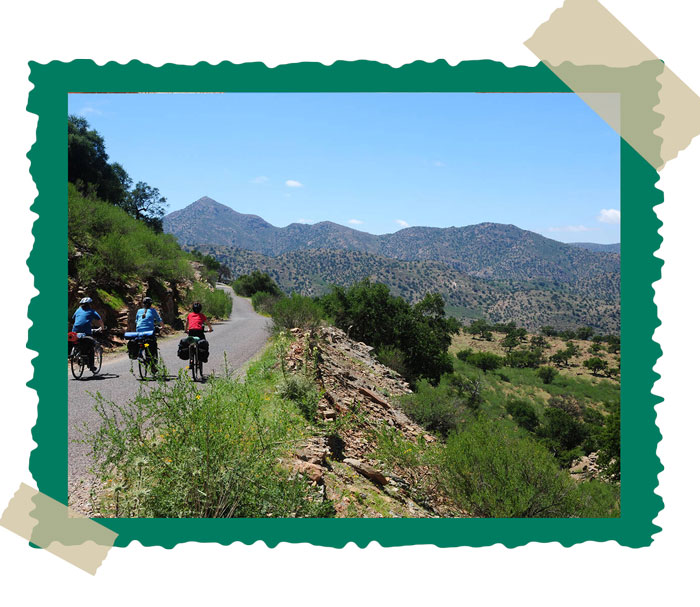
The High Atlas Mountains are among Morocco’s most breathtaking and iconic landscapes, offering a dramatic backdrop for any cycling adventure. Stretching across the center of the country, these mountains feature towering peaks, deep valleys, and winding trails that attract cyclists from around the world. Riding here is an experience like no other, combining physical challenge with awe-inspiring scenery.
The region is dotted with remote Berber villages, where travelers can witness traditional lifestyles and enjoy warm local hospitality. Mountain passes provide thrilling climbs and rewarding descents, making every ride an unforgettable journey. Lush valleys, terraced fields, and cascading streams add natural beauty to the routes.
For cyclists seeking both adventure and cultural immersion, the High Atlas is a perfect destination. Trails vary from beginner-friendly paths to challenging tracks for experienced riders. Every pedal stroke brings new vistas, fresh air, and a deeper connection with Morocco’s heartland. Exploring the High Atlas by bike is truly a once-in-a-lifetime experience.
Popular Cycling Routes in the High Atlas
One of the most popular regions for cycling is the Toubkal area, named after the highest peak in North Africa. Riders can start from the village of Imlil, a picturesque town nestled at the foot of snow-capped mountains, and gradually ascend through winding paths surrounded by terraced fields, orchards, and cascading streams. The climbs here can be demanding, with steep gradients and rocky trails, but the panoramic views and the sense of achievement at each summit make the effort worthwhile.
Cyclists can also explore the Azzaden Valley and Ourika Valley, where routes wind through lush landscapes dotted with traditional Berber homes. Along the way, travelers can stop in small villages to enjoy local mint tea, homemade bread, and the warmth of Berber hospitality. These valleys are perfect for those who want a more relaxed ride without sacrificing the mountain scenery.
Tips for Cycling in the High Atlas Mountains
-
Best Season: Spring and autumn, when temperatures are mild and the roads are clear of snow.
-
Gear: A sturdy mountain bike is recommended for rough trails; bring layers, as weather can change quickly.
-
Guides & Tours: For first-time visitors, guided tours provide local knowledge, safe navigation, and access to hidden trails.
-
Accommodation: Guesthouses in villages or mountain lodges provide both comfort and local experiences.
Why the High Atlas Is a Must-Visit for Cyclists
The High Atlas Mountains offer more than just physical challenges—they provide a cultural and natural immersion that makes cycling in Morocco unforgettable. Every ride is a journey through dramatic landscapes, traditional communities, and the heart of Moroccan mountain life, making this region a must-visit for adventurous cyclists.
Sahara Desert: Cycling Through Sand and Dunes
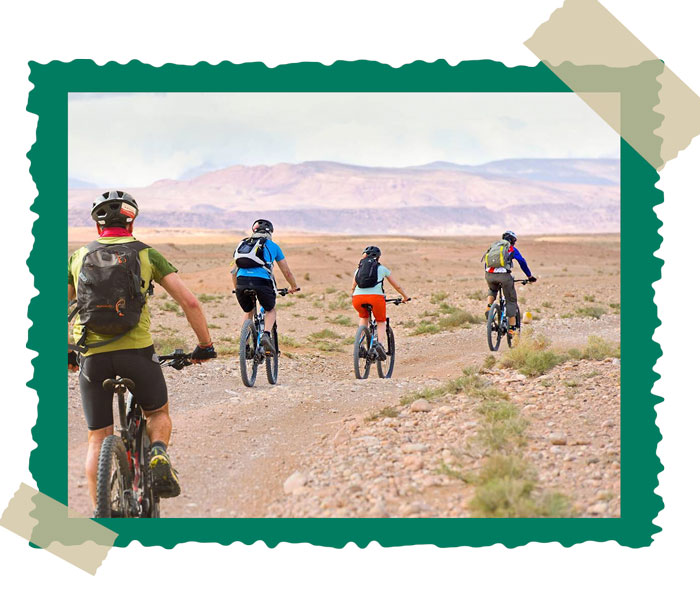
The Sahara Desert is one of Morocco’s most iconic and awe-inspiring landscapes, offering cyclists an experience unlike anywhere else on Earth. Endless golden dunes stretch as far as the eye can see, while vast open skies create a sense of freedom and adventure. Quiet desert tracks wind through the sand, allowing cyclists to immerse themselves fully in this otherworldly environment.
Every pedal stroke in the Sahara feels like a journey into a dreamlike world, where time slows and the landscape dominates your senses. The region tests endurance, as heat, sand, and long distances challenge even experienced riders. Yet the reward is unmatched—the tranquility, the shifting patterns of the dunes, and the stunning sunrises and sunsets over the desert horizon.
Cyclists can explore remote Berber villages along the way, experiencing local culture and hospitality. Camel caravans, traditional music, and desert markets add cultural depth to the adventure. For those seeking both challenge and serenity, cycling in the Sahara Desert is a truly unforgettable experience.
Erg Chebbi vs. Erg Chigaga – Choosing Your Desert Route
Two of the most popular desert regions for cycling are Erg Chebbi near Merzouga and Erg Chigaga near M’hamid. Erg Chebbi is more accessible, with nearby villages, guided tours, and well-trodden desert paths. Erg Chigaga, on the other hand, offers a wilder experience, with more remote dunes and fewer tourists, perfect for cyclists looking for solitude and a real sense of adventure.
Practical Tips for Cycling in the Desert
-
Best Season: Autumn and spring, when temperatures are milder; summer can be extremely hot.
-
Gear: Fat bikes or mountain bikes with wide tires are recommended for sand; carry extra water and sun protection.
-
Guided Tours: Highly recommended for first-time desert cyclists, providing navigation, local knowledge, and safety.
-
Camping: Many tours include desert camps where travelers can experience the night under the stars.
Cultural Highlights Along the Desert Routes
Cycling through the Sahara is not just about the dunes. Along the way, cyclists can visit small Berber villages, interact with nomadic communities, and witness traditional desert life. Sampling local tea, exploring desert markets, or stopping to admire ancient rock carvings adds a rich cultural layer to the adventure.
Why the Sahara Desert Is a Must-Do for Cyclists
Cycling in the Sahara offers a unique combination of challenge, beauty, and cultural immersion. Riding across vast sand dunes, witnessing dramatic sunrises and sunsets, and connecting with the desert way of life creates memories that last a lifetime. For adventure-seekers, the Sahara is an essential part of any Moroccan cycling journey.
Ready to Explore Morocco on Two Wheels?
Discover Morocco like never before—cycling through mountains, deserts, valleys, and coastal roads. Whether you’re an adventure seeker or a casual rider, your ultimate cycling journey awaits!
Contact us now and start your Moroccan cycling adventure!
Coastal Routes: Atlantic and Mediterranean Adventures
Morocco’s coastline offers cyclists an entirely different experience compared to the country’s mountains or deserts. Stretching along both the Atlantic Ocean and the Mediterranean Sea, the coastal routes showcase miles of sandy beaches, dramatic cliffs, and charming fishing villages. Riding along these roads combines relaxation, scenic beauty, and cultural exploration, making it ideal for cyclists of all levels.
The Atlantic coast features towns like Essaouira and Agadir, where ocean breezes and beachfront paths provide a refreshing cycling experience. The Mediterranean coast, particularly around Tangier, offers cliffside roads, historic towns, and picturesque harbors perfect for leisurely exploration. Smooth terrain and moderate hills make these routes accessible to beginners and casual riders alike.
Cyclists can stop frequently to sample local seafood, enjoy café culture, or explore markets and historical sites. Early morning rides allow you to enjoy quiet roads and stunning sunrises over the water. Coastal cycling in Morocco provides a perfect balance of activity, sightseeing, and cultural immersion. For those seeking a more relaxed yet visually striking ride, the coastline is an unforgettable destination.
Atlantic Coast – Essaouira and Agadir
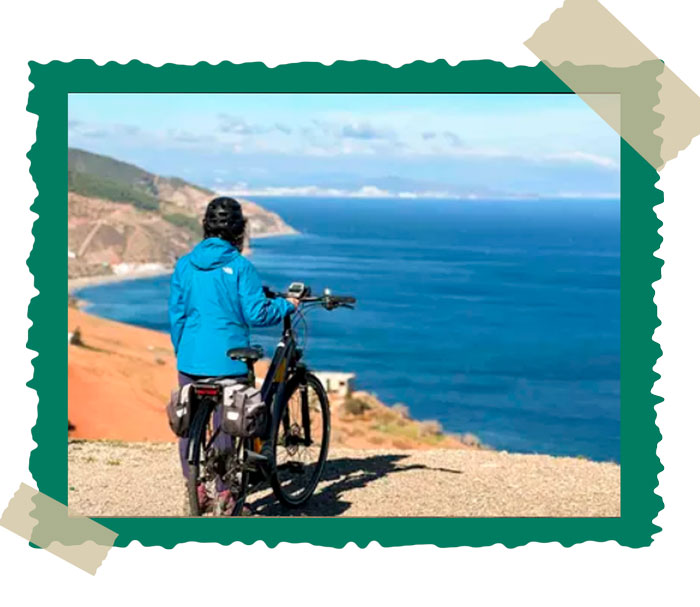
The Atlantic coastline, particularly around Essaouira and Agadir, is perfect for those seeking scenic, peaceful rides. Essaouira’s windy shores provide a refreshing challenge for cyclists, while the town itself, with its blue-and-white medina and lively port, is a cultural highlight. Agadir, known for its long beaches and modern infrastructure, offers a more relaxed cycling experience with well-paved roads and beachside trails. Both destinations allow cyclists to stop frequently for local seafood, explore coastal markets, or enjoy the ocean views.
Mediterranean Coast – Tangier and Northern Morocco
The northern Mediterranean coast, around Tangier and its surroundings, offers dramatic cliffside roads, quiet beaches, and historical towns. Cycling here combines moderate hills with flat stretches along the water, making it accessible for cyclists of all levels. Along the way, travelers can explore charming fishing villages, sample traditional cuisine, and experience the blend of Moroccan and European influences that make this region unique.
Tips for Cycling Along Morocco’s Coast
-
Best Season: Spring and autumn offer mild temperatures and steady winds; summer can be hot near Agadir.
-
Gear: Road or hybrid bikes work well; bring a light windbreaker for coastal breezes.
-
Navigation: Coastal roads are generally safe, but watch for local traffic in towns.
-
Accommodation: Beachfront hotels, riads, and guesthouses make it easy to plan multi-day rides.
Why Coastal Cycling Shouldn’t Be Missed
Cycling along Morocco’s coastline offers a relaxing contrast to the mountains and deserts, with the added bonus of cultural exploration in historic towns and fishing villages. Whether it’s a leisurely ride along the sand dunes of Essaouira or a scenic cliffside path near Tangier, the Atlantic and Mediterranean routes provide a memorable and accessible cycling experience.
Valleys and Countryside: Peaceful Cycling Escapes
Beyond Morocco’s mountains, deserts, and coastline, the country’s valleys and countryside provide some of the most scenic and tranquil cycling routes in the region. Rolling hills, lush green orchards, winding rivers, and traditional villages create an idyllic backdrop for cyclists seeking both nature and cultural immersion. These quieter routes allow riders to slow down, enjoy the landscape, and truly connect with the country’s rural charm.
Cyclists can explore valleys like the Ourika, Dadès, and Aït Bougmez, each offering its own unique beauty. The Ourika Valley features terraced fields, cascading waterfalls, and vibrant local markets, perfect for gentle rides and sightseeing. The Dadès Valley, with its dramatic cliffs and historic kasbahs, offers more challenging terrain and photogenic views. Aït Bougmez, also known as the “Happy Valley,” is lush, peaceful, and ideal for leisurely rides surrounded by mountains.
Along the way, cyclists can stop in small villages to sample homemade bread, fresh mint tea, and traditional Moroccan dishes. The welcoming local communities provide opportunities to learn about Berber culture, agriculture, and handicrafts. Valleys and countryside routes offer a balanced cycling experience, combining serene landscapes, cultural encounters, and gentle adventure for riders of all levels.
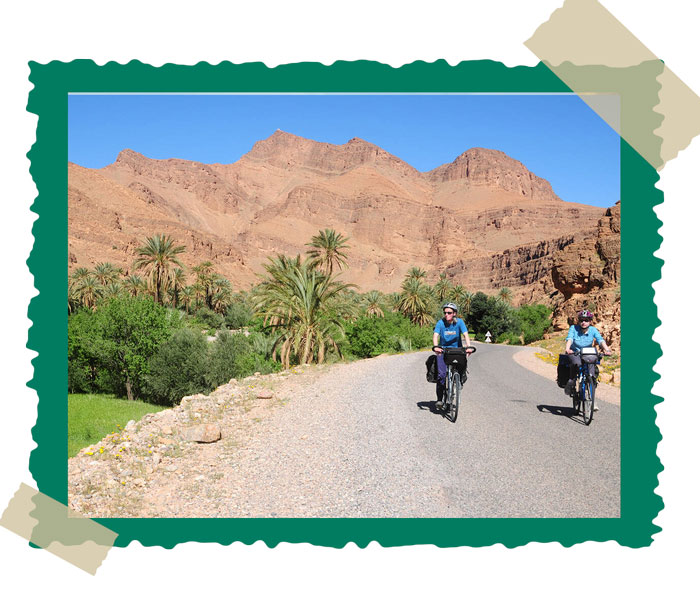
Ourika Valley – Lush Landscapes and Waterfalls
Located just 30 kilometers from Marrakech, the Ourika Valley is one of the most accessible countryside cycling destinations in Morocco. Cyclists can ride along the Ourika River, passing small villages and traditional markets, and enjoy views of terraced fields and olive groves. The valley is famous for its waterfalls, which provide a refreshing stop for cyclists on a sunny day. Local cafés and family-run restaurants offer authentic Moroccan meals, making it a perfect half-day or full-day cycling route.
Dadès Valley – Dramatic Landscapes and Kasbahs
The Dadès Valley, often called the “Valley of a Thousand Kasbahs,” is renowned for its stunning rock formations, winding roads, and historic fortified homes. Cycling here offers a mix of moderate climbs and flat stretches, with dramatic scenery around every corner. Stops along the route allow travelers to explore centuries-old kasbahs, meet local Berber families, and enjoy traditional Moroccan tea. This valley is ideal for cyclists seeking photogenic landscapes and cultural immersion.
Aït Bougmez Valley – The Happy Valley
Nestled in the heart of the High Atlas, the Aït Bougmez Valley, also known as the “Happy Valley,” offers gentle terrain and lush greenery. Cyclists can enjoy quiet roads surrounded by barley fields, apple orchards, and mountain views. This valley is less touristy than other regions, making it perfect for those who prefer peaceful rides and authentic rural experiences. Village stops allow cyclists to experience Berber hospitality, from tasting homemade bread to learning about traditional farming practices.
Tips for Cycling in Morocco’s Valleys and Countryside
-
Best Season: Spring and autumn, when temperatures are comfortable and the landscape is at its most vibrant.
-
Gear: Hybrid or mountain bikes are ideal for mixed terrain.
-
Accommodation: Local guesthouses, riads, and small hotels provide authentic stays.
-
Local Interactions: Take time to visit villages, try local dishes, and engage with communities for a richer experience.
Why Valleys and Countryside Routes Are Special
Cycling through Morocco’s valleys and countryside offers a peaceful, immersive experience that balances adventure with relaxation. From lush river valleys to dramatic rocky landscapes, these routes showcase the country’s natural beauty while providing opportunities to connect with its culture and people. For cyclists looking to escape crowds and enjoy scenic tranquility, the valleys are a must-visit part of any Moroccan cycling adventure.
City Cycling: Explore Moroccan Cities on Two Wheels
Cycling in Morocco isn’t limited to mountains, deserts, or countryside routes; the country’s vibrant cities also offer unique and exciting opportunities for urban riders. From historic medinas to wide modern boulevards, city cycling allows travelers to experience Morocco’s culture, architecture, and daily life in an intimate and engaging way. Riding through bustling streets and quiet neighborhoods alike, cyclists can explore the country at their own pace while enjoying the sights, sounds, and flavors of city life.
In Marrakech, cyclists can navigate the lively medina, discover hidden courtyards, and then ride to peaceful gardens such as the Majorelle Garden. Fes offers a fascinating blend of ancient streets, artisan workshops, and colorful markets, providing endless opportunities for cultural immersion while riding. Casablanca, with its modern boulevards and beachfront promenades, offers a smoother cycling experience and stunning coastal views.
Urban cycling also allows riders to stop for local food, coffee, or traditional mint tea at any time, making it a flexible and enjoyable way to explore. Early morning rides are perfect for avoiding traffic and enjoying cooler temperatures. City cycling in Morocco blends adventure, culture, and fitness, offering travelers a dynamic and memorable perspective of the country that is impossible to achieve from a car or bus.
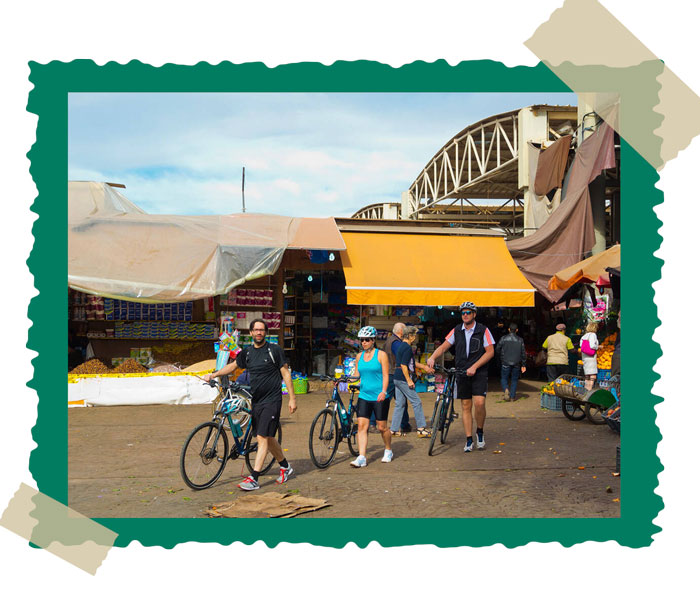
Marrakech – From Medina to Gardens
Marrakech is a city of contrasts, where bustling souks and quiet gardens coexist. Cyclists can explore the famous medina, weaving through narrow streets and discovering hidden courtyards, then pedal to the calmer Majorelle Garden or the modern districts surrounding Gueliz. While traffic can be busy in the city center, planning early-morning rides or guided city tours ensures a safe and enjoyable experience.
Fes – Ancient Streets and Cultural Treasures
Fes, with its sprawling medina, is a labyrinth of history, culture, and craftsmanship. While some areas are better explored on foot, cycling through the wider streets and surrounding neighborhoods gives riders a sense of the city’s scale and diversity. Stops can include artisan workshops, local markets, and traditional tea houses, allowing cyclists to immerse themselves in the city’s heritage while enjoying a slower pace of travel.
Casablanca – Modern Urban Cycling
Casablanca, Morocco’s largest city, offers a very different urban cycling experience. With wide boulevards, beachfront promenades, and modern infrastructure, it’s perfect for cyclists who enjoy road cycling or leisurely rides along the coast. Key stops include the Hassan II Mosque, the Corniche, and local cafés where riders can rest and enjoy the ocean views.
Tips for City Cycling in Morocco
-
Safety: Always wear a helmet and be mindful of local traffic rules. Moroccan drivers are generally tolerant of cyclists, but city streets can be busy.
-
Best Time: Early mornings or late afternoons are ideal for avoiding heavy traffic and enjoying cooler temperatures.
-
Bike Rentals: Many cities offer bike rental shops and guided tours for urban cyclists.
-
Navigation: GPS apps or local maps can help navigate winding medina streets.
Why Urban Cycling Enhances Your Moroccan Adventure
City cycling allows travelers to connect with Morocco’s daily life in a way that cars or buses simply cannot. From exploring historic sites to visiting local markets, riding through cities offers a combination of culture, sightseeing, and physical activity. For travelers looking to balance adventure with urban discovery, city cycling is an essential part of a complete Moroccan cycling journey.
Planning Your Cycling Trip in Morocco
Cycling in Morocco is an unforgettable adventure, but proper planning can make the difference between a smooth, enjoyable journey and a stressful experience. From choosing the best season to selecting the right gear and accommodations, thoughtful preparation ensures that cyclists of all levels can fully enjoy the country’s diverse landscapes and cultural experiences.
Best Seasons for Cycling in Morocco
The timing of your trip can greatly affect your experience. Spring (March to May) and autumn (September to November) are the most popular seasons, offering moderate temperatures, blooming landscapes, and fewer tourists. Winter can be ideal for coastal rides but may bring snow and cold conditions in the High Atlas Mountains, while summer can be extremely hot in the desert and southern regions, making long rides challenging.
Choosing the Right Gear
-
Bikes: Mountain bikes are recommended for rough trails in the mountains and deserts, while hybrid or road bikes work well for valleys, countryside, and urban routes. Fat bikes are ideal for sand dunes.
-
Clothing: Layered clothing is essential for changing temperatures, especially in the mountains. Breathable, moisture-wicking fabrics and sun protection are key.
-
Accessories: Helmets, gloves, hydration packs, repair kits, and lights should all be part of your gear for safety and convenience.
Guided Tours vs. Self-Guided Trips
-
Guided Tours: Perfect for first-time visitors or those unfamiliar with Moroccan terrain. Tours offer local expertise, navigation support, accommodations, and cultural insights.
-
Self-Guided Trips: Ideal for experienced cyclists seeking independence. Maps, GPS apps, and pre-booked accommodations are essential. Self-guided trips allow flexibility to explore at your own pace.
Accommodation Options for Cyclists
Morocco offers a wide range of cyclist-friendly accommodations, from guesthouses in mountain villages to riads in cities and desert camps in the Sahara. Many provide secure bike storage, local meals, and the chance to interact with communities, enhancing the cultural aspect of your trip.
Health, Safety, and Travel Tips
-
Stay hydrated, especially in desert and summer conditions.
-
Follow traffic rules and wear reflective gear when cycling in urban areas.
-
Be aware of altitude changes in the mountains and pace yourself.
-
Respect local customs and ask for permission before taking photos of people or villages.
Why Proper Planning Enhances Your Cycling Experience
Careful preparation ensures that you can enjoy Morocco’s landscapes, culture, and cycling routes safely and comfortably. From selecting the right season and gear to choosing between guided tours or independent exploration, planning transforms your cycling adventure into a seamless, unforgettable journey.
Conclusion :
Cycling in Morocco is more than just a sport—it’s a journey through some of the most diverse and breathtaking landscapes in the world. From the challenging peaks of the High Atlas Mountains to the golden dunes of the Sahara, from lush river valleys to serene coastal roads, Morocco offers cycling routes that cater to every level of rider. Each journey is an opportunity to connect with nature, experience local culture, and create lasting memories.
Whether you are an experienced cyclist seeking adventure or a casual rider looking for scenic routes, Morocco has something for everyone. Along the way, you can explore traditional Berber villages, historic kasbahs, vibrant medinas, and stunning natural wonders, all while enjoying the freedom and intimacy that comes with exploring the country on two wheels.
Now is the perfect time to start planning your Moroccan cycling adventure. Whether you choose a guided tour, a self-guided trip, or a mix of both, the routes, landscapes, and cultural experiences awaiting you are unforgettable.