
Morocco’s Rich Legacy: Where Dynasties and Cultures Meet
Morocco’s Rich Legacy is deeply rooted in centuries of history, shaped by powerful dynasties and vibrant cultural exchanges. Each chapter of Morocco’s past, marked by pivotal events, legendary rulers, and architectural marvels, has contributed to its reputation as one of the most fascinating nations in North Africa. From the rise of the Idrissid dynasty to the era of the Almoravids, Almohads, Merinids, Saadians, and the still-reigning Alaouite dynasty, Morocco’s historical narrative stands as a testament to resilience, unity, and diversity.
Recognized globally as a crossroads of civilizations, Morocco is home to UNESCO World Heritage treasures such as the medinas of Fez and Marrakech, the archaeological site of Volubilis, and the fortified city of Ait Ben Haddou. Its cultural wealth, hospitality, and art of living continue to captivate history enthusiasts and travelers who seek an authentic experience. For visitors, exploring Morocco is not just a journey through landscapes, but an immersion into centuries of dynastic glory and cultural heritage that define Morocco’s historical greatness.
The Idrisside Dynasty: The Birth of Morocco’s Rich Legacy
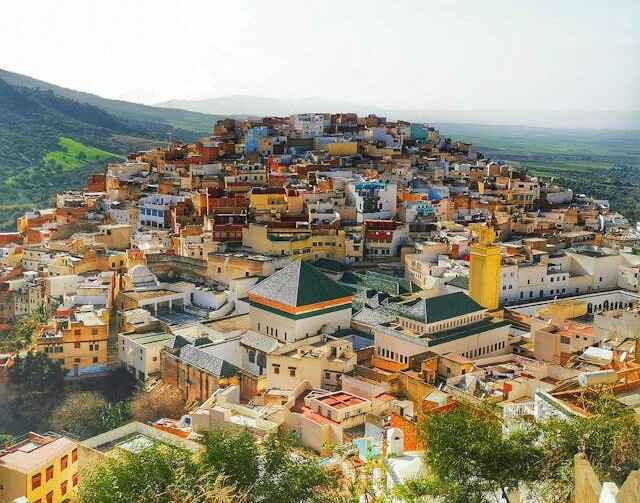
The Idrisside dynasty (789–974) marks the beginning of Morocco’s Rich Legacy as the first royal house to unify the country under a single rule. Founded by Idriss I, a descendant of the Prophet Muhammad, this dynasty established its first capital in Volubilis (Walili), a city that symbolized the fusion of Berber traditions and Islamic influences. From 789 to 978, the Idrissides extended their influence across much of the Maghreb, shaping the early identity of modern Morocco.
One of the dynasty’s greatest contributions was the founding of Fez, which rose to prominence as the new capital under Idriss II. Fez became a center of intellectual, spiritual, and political life, hosting scholars, artisans, and merchants from across the Islamic world. The architectural and religious achievements of the Idrissides are still celebrated today, with monuments like the Al-Qarawiyyin Mosque, one of the oldest universities in the world, standing as a masterpiece of Moroccan art and architecture. Despite their remarkable legacy, the Idrissides eventually gave way to the Almoravid dynasty, which continued to shape Morocco’s historical path.
The Almoravid Dynasty: The Builders of Marrakech and Morocco’s Rich Legacy
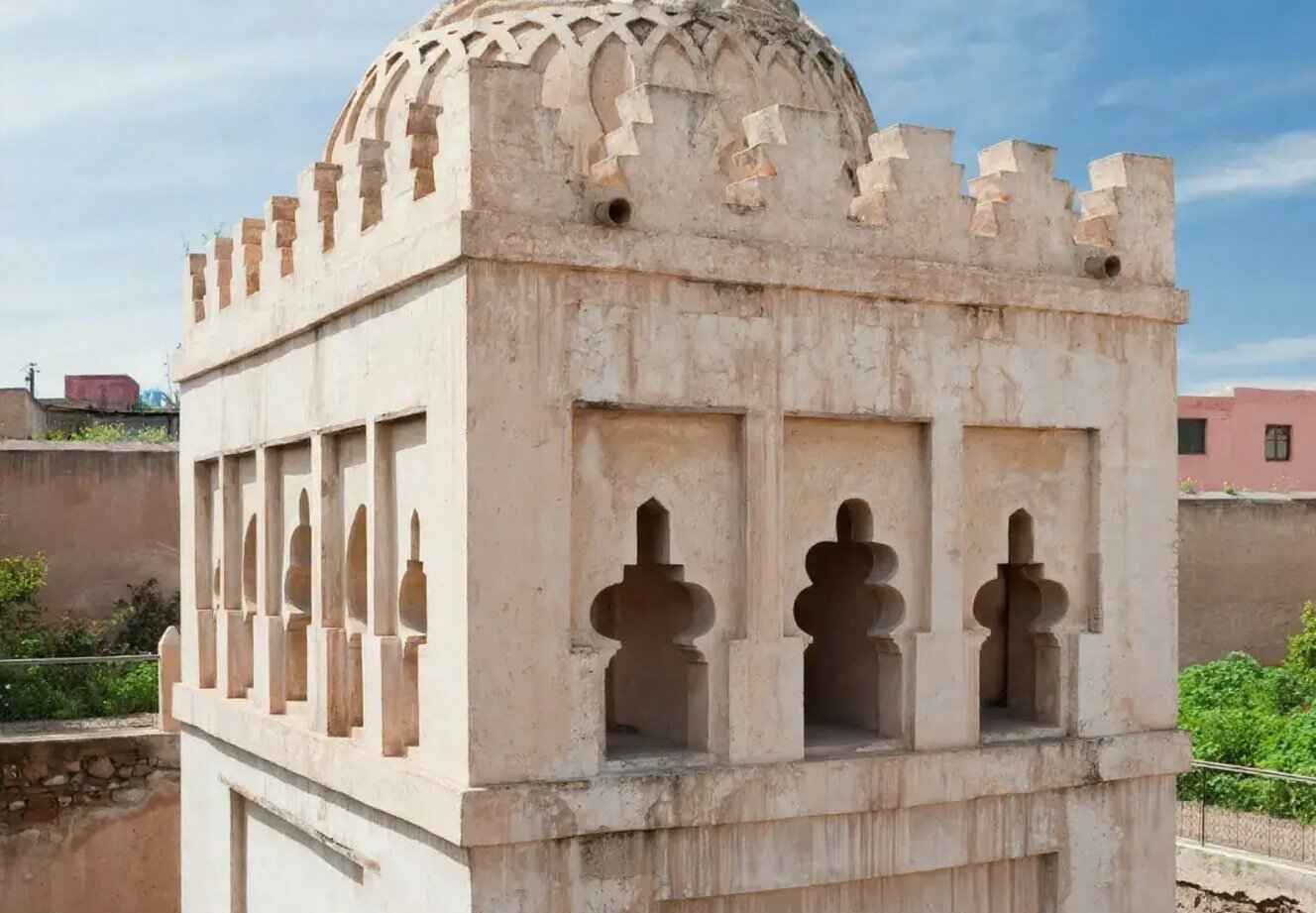
The Almoravid Dynasty (1060–1147) was a powerful Berber dynasty that expanded Morocco’s Rich Legacy by uniting vast territories of the Maghreb and Al-Andalus under one rule. After succeeding the Idrissides, the Almoravids rose from the Sahara, consolidating power across North Africa before moving northward. One of their most significant achievements was the founding of Marrakech in 1062, which they declared the capital of their empire. Marrakech became a vibrant center of trade, governance, and culture, linking sub-Saharan Africa with the Mediterranean and Europe.
The Almoravids were also renowned for their architectural and religious contributions. They initiated the construction of monumental sites such as the Koutoubia Mosque, along with Koranic schools (medersas), fortified ramparts, and grand palaces. Their advanced irrigation systems, including khettaras and water basins, transformed the arid landscapes around Marrakech, ensuring sustainable agriculture and urban development. These remarkable innovations left a lasting imprint on Morocco’s history, making the Almoravid era one of the most celebrated chapters in the country’s dynastic timeline.
The Almohad Dynasty: A New Era in Morocco’s Rich Legacy
The Almohad Dynasty (12th–13th century) emerged as a formidable power after defeating the Almoravids, marking another defining chapter in Morocco’s Rich Legacy. Founded under the leadership of Ibn Tumart, the Almohads rose with a strong religious and reformist vision, reflected in their name “Al-Muwahhidun,” meaning “the unifiers” or “those who proclaim the oneness of God (Tawhid).” Their reign extended across Morocco, the Maghreb, and parts of Al-Andalus, leaving a lasting influence on Islamic architecture and governance.
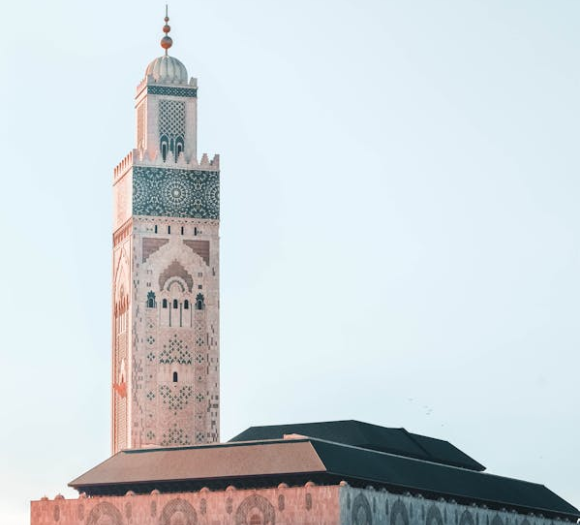
Marrakech, which remained the capital under the Almohads, flourished with ambitious architectural projects. One of their most iconic achievements was the redesign and expansion of the Koutoubia Mosque, a masterpiece whose design later inspired landmarks such as the Giralda Tower in Seville and the Hassan Tower in Rabat. The Almohad era emphasized culture, intellectual advancement, and monumental architecture, shaping Morocco’s spiritual and cultural identity. Their rule, however, declined after their defeat at the Battle of Las Navas de Tolosa in 1212, signaling the rise of new powers in the region.
The Merinid Dynasty: Guardians of Faith and Art in Morocco’s Rich Legacy
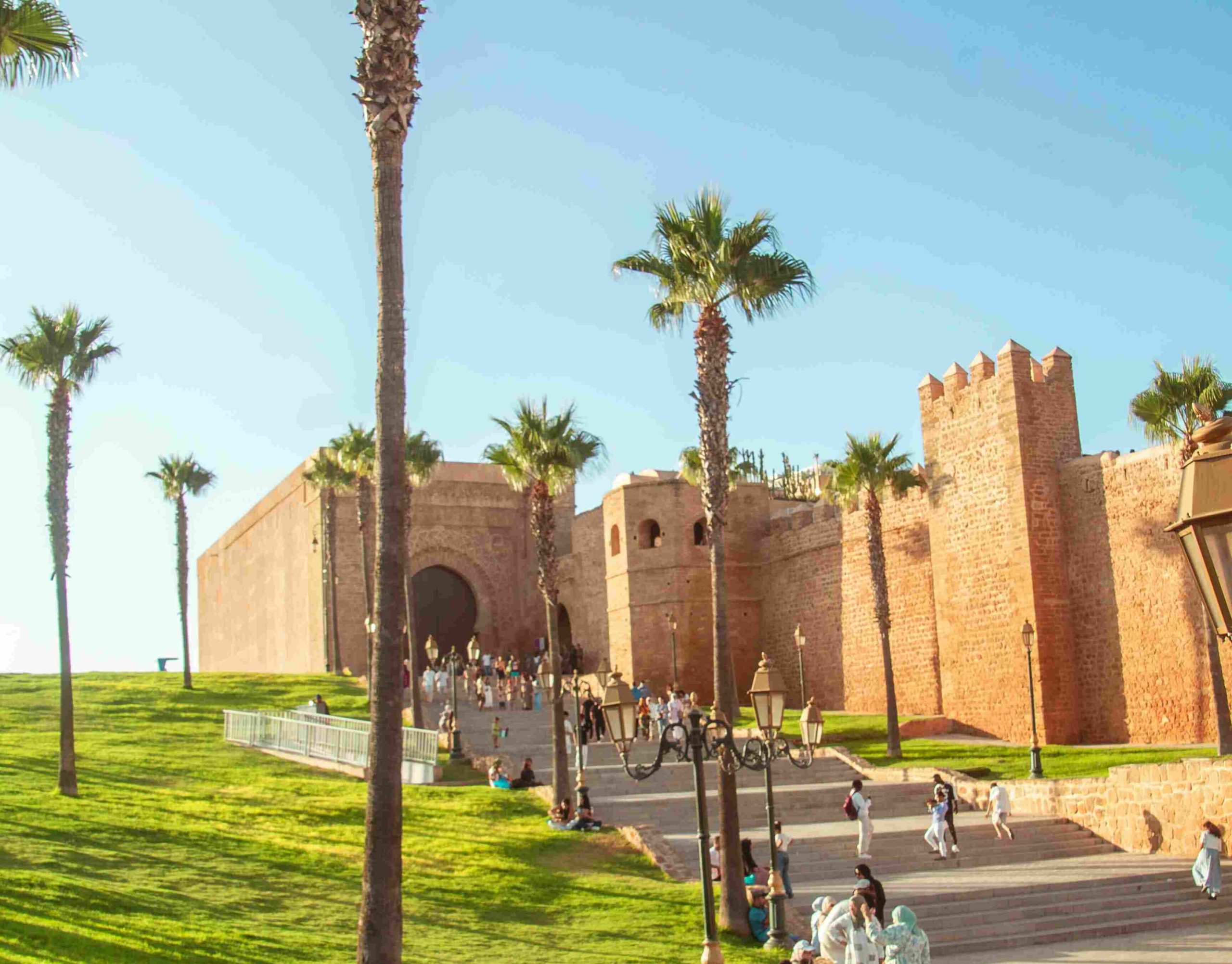
The Merinid Dynasty (1244–1465) rose to power under the leadership of the Amazigh chief Abou Yahia, overthrowing the Almohads and establishing Fez as their capital. This dynasty played a significant role in shaping Morocco’s Rich Legacy through its religious devotion, architectural mastery, and cultural achievements. Despite their eventual decline following attacks by the Portuguese along the Atlantic coast and through strategic locations like Ceuta and the Strait of Gibraltar, the Merinids left behind remarkable historical and artistic contributions.
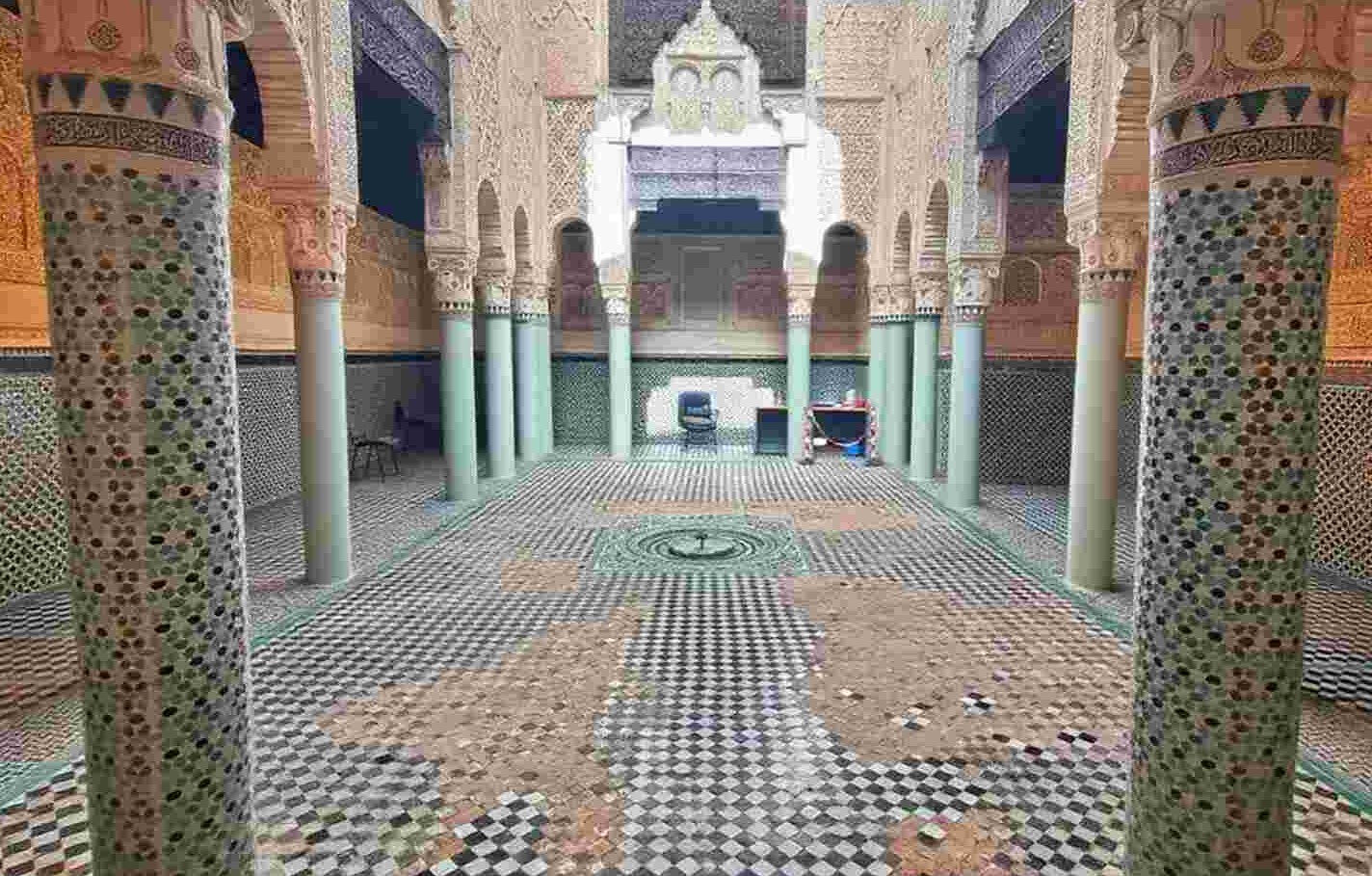
Driven by a mission to preserve and spread Islamic scholarship, the Merinids built numerous zaouias, mosques, and Koranic medersas, including the iconic medersa in Salé. Their architectural style is characterized by intricate woodwork, stucco carvings, glazed ceramic tiles, and vibrant green-tiled roofs that remain emblematic of Moroccan design. One of the dynasty’s most enduring symbols is the Chellah Necropolis in Rabat, a site that blends Roman ruins with Merinid monuments, reflecting the dynasty’s deep cultural and historical significance.
The Saadian Dynasty: A Golden Age in Morocco’s Rich Legacy
The Saadian Dynasty (1554–1659) marked a period of prosperity, military triumphs, and cultural flourishing in Morocco’s Rich Legacy. After overthrowing the Merinids, the Saadians first ruled from Fez before making Marrakech their imperial capital. Known for their fierce resistance against foreign invaders, they declared war on the Portuguese, successfully reclaiming key coastal cities, including Agadir. To counter Ottoman influence, the Saadians strategically allied with Spain, strengthening Morocco’s geopolitical position.
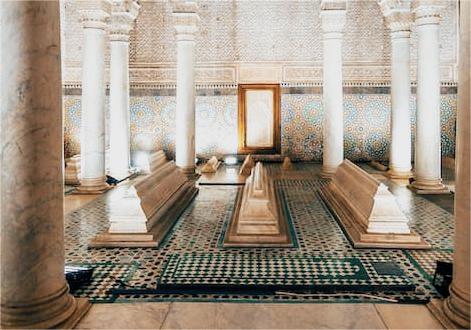
This era is often remembered as a golden age, fueled by the wealth acquired from Sudan after their victory over the Songhai Empire in Africa. The Saadians invested their riches in monumental architecture and artistic projects that still inspire awe today. In Fez, they fortified the city by constructing Borjs and restoring the Al-Qarawiyyin Mosque. In Marrakech, their enduring legacy includes the Saadian Tombs, the Ben Youssef Medersa, and the magnificent El Badi Palace, once a symbol of Morocco’s opulence and power.
The Alaouite Dynasty: Continuity and Strength in Morocco’s Rich Legacy
The Alaouite Dynasty (1666–present) represents the longest-reigning royal house in Morocco and remains the cornerstone of Morocco’s Rich Legacy. Originating from Tafilalt in southeastern Morocco, the Alaouites rose to power after overthrowing the Saadian Dynasty. Initially, they established Fez as their capital, later moving to Meknes under Sultan Moulay Ismail, one of Morocco’s most legendary rulers. In 1912, Rabat was declared the nation’s official capital, a status it retains today.
Under the Alaouites, Morocco saw an era of renewal and urban transformation. Sultan Moulay Ismail’s ambitious building projects included Bab El-Mansour, an iconic gate that still stands as a symbol of Moroccan craftsmanship. The dynasty also reinforced Morocco’s unity, strengthened its defenses, and upheld religious traditions. Today, King Mohammed VI, the 23rd ruler of the Alaouite line, continues to guide the Kingdom with a vision of modernization while preserving the nation’s historical and cultural identity.
Ready to uncover more of Morocco’s Rich Legacy?
Dive deeper into the wonders of Moroccan culture, history, and traditions on our blog. From the imperial cities to hidden cultural gems, every story brings you closer to the soul of Morocco.
+212 600 000 000
WowMoroccoTours@gmail.com
The post Morocco’s Rich Legacy: Where Dynasties and Cultures Meet appeared first on Wow Morocco Tours.
]]>
Moroccan Hammam: A Guide to Traditional Bathing Rituals
If you’ve ever been curious about the Moroccan hammam, you’re not alone. This centuries-old bathing ritual is one of Morocco’s most cherished cultural traditions. Rooted in purification, relaxation, and social connection, the Moroccan hammam is more than just a bath; it’s a holistic cleansing experience.
Whether you’re a traveler visiting Morocco or someone looking to recreate this practice at home, this guide to the Moroccan hammam will take you through its history, steps, benefits, etiquette, and how to make the most of your visit.
What Is a Moroccan Hammam?
The Moroccan hammam is a traditional steam bath influenced by Roman baths and Islamic purification practices. It typically involves a three-step cleansing process: steaming, scrubbing, and rinsing. Locals visit it weekly to detox, exfoliate, and unwind.
Unlike Western spas, the Moroccan hammam is a communal, often gender-segregated space. It’s a place where families gather, friends catch up, and self-care is sacred.

History of the Moroccan Hammam
The Moroccan hammam traces its roots to Roman bathhouses, brought to North Africa over 2,000 years ago. Over time, the Islamic emphasis on cleanliness transformed the hammam into a spiritual and cultural ritual. By the 12th century, almost every Moroccan medina featured at least one public hammam, usually located near a mosque or mosque complex.
Today, both urban and rural communities maintain this time-honored ritual, preserving its deep-rooted significance in Moroccan culture.
The Ritual: Step-by-Step Moroccan Hammam Experience
1. Preparation Before Entering the Hammam
Before entering a Moroccan hammam, you’ll need some essentials:
-
Black soap (savon beldi)
-
Kessa glove (exfoliating mitt)
-
Rhassoul clay (for hair and body)
-
Argan oil (for aftercare)
-
Towel, sandals, and change of clothes
2. The Steaming Room
Upon entering the Moroccan hammam, you’ll find yourself in a progressively hotter series of rooms. The goal is to sit and let your pores open from the steam. This stage relaxes the muscles and prepares the skin for deep exfoliation.
3. Black Soap Application
Apply the Moroccan black soap, a paste made from crushed olives, all over your damp skin. Let it sit for 10–15 minutes. This softens the skin, making it easier to scrub away dead cells.
4. Exfoliation with the Kessa Glove
This is the hallmark of the Moroccan hammam ritual. Using the Kessa glove, scrub your body in circular motions. You’ll likely see rolls of dead skin coming off—it’s both satisfying and effective!
5. Rhassoul Clay Mask
After exfoliating, apply Rhassoul clay, a mineral-rich mud from the Atlas Mountains, to cleanse and nourish the skin. It also serves as a hair mask, leaving your scalp refreshed and rejuvenated.
6. Final Rinse and Rest
Rinse thoroughly with warm water. Many hammams offer buckets for a traditional rinse or showers for convenience. Afterward, rest in the cooling area before dressing. Most visitors follow up with argan oil to hydrate and soften the skin.

Benefits of Visiting a Moroccan Hammam
Physical Benefits
-
Deep exfoliation removes dead skin and unclogs pores.
-
Improved circulation from steam and scrubbing.
-
Detoxification through sweating out impurities.
-
Skin nourishment from natural Moroccan products.
Mental and Emotional Benefits
-
Reduces stress and anxiety.
-
Encourages mindfulness and self-care.
-
Promotes better sleep.
Cultural and Social Benefits
-
Reinforces community ties.
-
Provides a space for bonding among women and families.
-
Preserves centuries-old traditions.

Moroccan Hammam Etiquette: What You Need to Know
Understanding the etiquette of the Moroccan hammam ensures a respectful and enjoyable experience:
Gender Separation
Most public hammams have separate hours or entrances for men and women. Always confirm schedules ahead of time.
What to Wear
Modesty is essential. Women usually wear underwear or a bathing suit bottom. Men may wear swim trunks.
Respect the Space
Speak quietly, follow the flow of the ritual, and be mindful of others. If you’re unsure about any step, attendants or locals are often happy to guide you.
Moroccan Hammam at Home: Recreate the Ritual
You don’t need to travel to Morocco to experience the benefits of a Moroccan hammam. Here’s how to do it at home:
Step-by-Step Home Hammam
-
Take a warm shower or sit in a steam room if available.
-
Apply black soap to damp skin and let it sit for 10 minutes.
-
Scrub using a Kessa glove.
-
Apply Rhassoul clay and leave it on for 15–20 minutes.
-
Rinse thoroughly and apply argan oil for moisture.
Creating a Moroccan hammam routine at home can help you maintain soft skin, reduce stress, and connect with a deeply rooted self-care practice.
Best Places to Try a Moroccan Hammam
If you’re visiting Morocco, don’t miss these authentic hammam experiences:
Traditional Hammams
-
Hammam Mouassine (Marrakech): One of the oldest public hammams.
-
Hammam Dar El-Bacha (Fes): Authentic and beautifully tiled interior.
-
Hammam Ziani (Casablanca): Known for excellent service and local vibe.
Luxury Spa Hammams
-
La Mamounia Spa (Marrakech): Combines traditional ritual with luxury.
-
Royal Mansour (Marrakech): Private hammam suites and premium products.
-
Les Bains de Marrakech: Popular with travelers, high-end experience.
Whether you prefer rustic charm or spa elegance, a Moroccan hammam is an unforgettable journey into Moroccan wellness.
Start Your Moroccan Hammam Journey Today
If you’re inspired to explore the rejuvenating world of the Moroccan hammam, don’t hesitate to reach out. Whether you have questions, need personalized recommendations, or want help planning your first hammam experience, we’re here to guide you every step of the way.
FAQs About Volubilis Morocco
How long does a Moroccan hammam session last?
A full session can last 1.5 to 2 hours, depending on the treatments.
Can tourists visit local Moroccan hammams?
Yes, many public hammams welcome tourists. Some offer English-speaking guides or attendants.
Is it safe for sensitive skin?
Most Moroccan products are natural and gentle. However, test black soap and Rhassoul clay on a small patch before full use if you have sensitive skin.
+212 600 000 000
WowMoroccoTours@gmail.com
The post Moroccan Hammam: A Guide to Traditional Bathing Rituals appeared first on Wow Morocco Tours.
]]>