
Exploring Morocco’s Diverse Music and Dance Traditions
Morocco is a land of contrasts, where ancient traditions meet modern influences, and this harmony is nowhere more vibrant than in its music and dance. From the rhythmic chants of desert tribes to the hypnotic beats of Gnawa spiritual ceremonies, the country’s musical and dance expressions are as diverse as its landscapes. These traditions are not just entertainment, they are woven into the fabric of daily life, religious practices, seasonal festivals, and cultural identity.
Rooted in centuries of interaction between Arab, Berber (Amazigh), Andalusian, African, and Mediterranean civilizations, Moroccan music and dance tell the story of a country that has always been a cultural crossroads. Each region, tribe, and community brings its own flavor, instruments, and style, resulting in a rich mosaic of sound and movement.
In this guide, we’ll journey across Morocco’s musical heartlands, from the mountains to the cities and the deserts beyond, exploring the melodies, rhythms, and dances that define Moroccan culture. Whether you’re curious about ancient folk traditions or modern fusion styles, Morocco offers an unforgettable soundscape waiting to be discovered.
Traditional Music Styles Across Morocco
Morocco’s musical heritage is a vibrant reflection of its diverse cultural roots, a meeting point of Amazigh (Berber), Arab, Andalusian, and Sub-Saharan African traditions. Each region contributes its own unique sound, instruments, and rhythms, creating a mosaic of styles that together form the rich musical identity of the country. Here are some of the most iconic traditional music styles across Morocco:
Andalusian Music (Al-Ala)
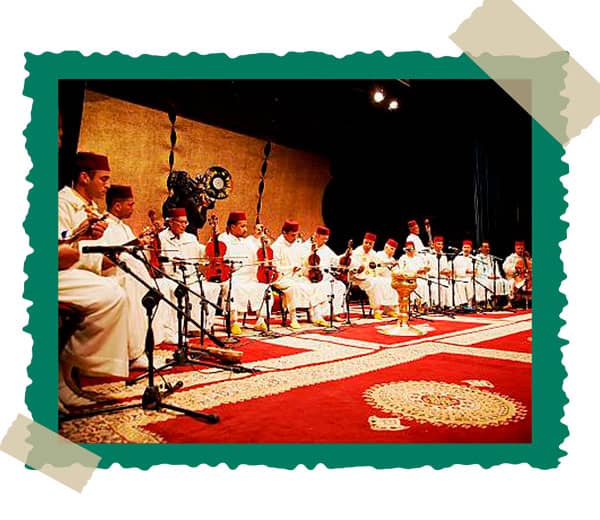
Originating from Muslim Spain (Al-Andalus), Andalusian music is one of Morocco’s most prestigious and classical traditions. Characterized by its refined melodies, complex rhythms, and poetic lyrics, it was historically performed in royal courts and by scholarly musicians.
- Often sung in classical Arabic or old dialects
- Features instruments like the oud (lute), qanun (zither), and rebab (bowed string)
- Structured in nūbas, long musical suites with multiple movements
- Especially prominent in cities like Fès, Tetouan, and Rabat
It’s not just music; it’s a scholarly art that preserves centuries of cultural and poetic expression.
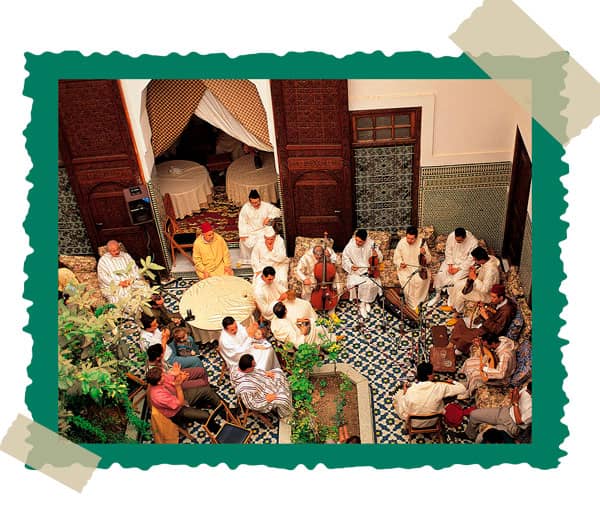
Gnawa Music
With roots in Sub-Saharan Africa, Gnawa music is deeply spiritual and rhythmic, traditionally used in healing ceremonies and trance rituals. It blends Islamic Sufi spirituality with African rhythms and storytelling.
- Performed with the gembri (a three-stringed bass lute), qraqeb (metal castanets), and deep vocal chants
- Known for its repetitive, trance-inducing rhythm and call-and-response singing
- Closely linked to mystical rituals called lila or derdeba, led by a maâlem (master musician)
Gnawa music has gained global attention and is celebrated in the Essaouira Gnawa Festival, drawing artists from around the world.
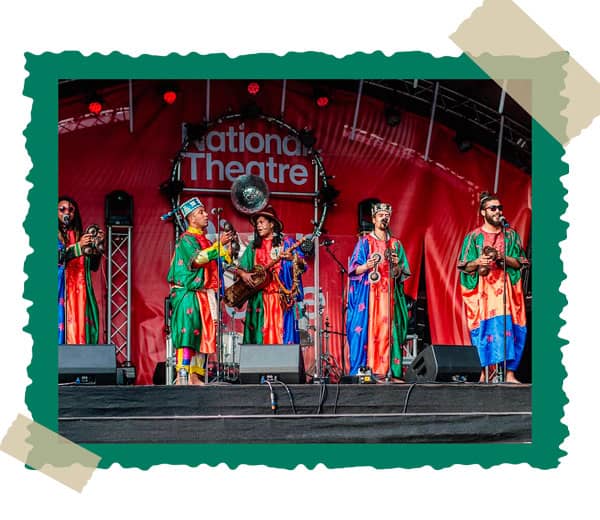
Amazigh (Berber) Music
A core expression of Morocco’s indigenous Amazigh identity, this music varies significantly across regions: the Rif Mountains, the Middle and High Atlas, and the Souss Valley all have their own traditions.
- Features instruments like the bendir (frame drum), lotar (plucked string), and tbel (double-headed drum)
- Lyrics are usually in Tamazight, the Berber language, and often focus on love, nature, history, or resistance
- Strongly tied to community dances like Ahidous and Ahwach
Amazigh music is passed down orally and remains central to rural festivals and village life.
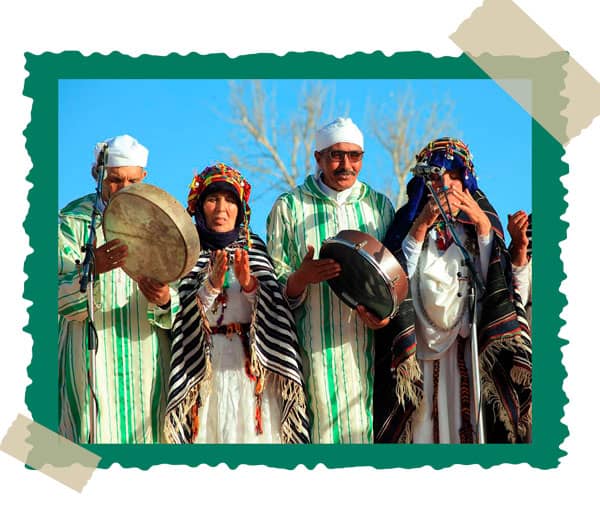
Chaabi Music
Literally meaning “popular,” Chaabi is the heartbeat of Moroccan social life commonly heard at weddings, parties, and urban cafés. It blends folk melodies with modern instruments, making it instantly danceable and widely accessible.
- Lyrics are often improvised and touch on themes of love, daily struggles, and humor
- Performed with a mix of traditional and modern instruments, including bendir, oud, violin, and keyboard
- Closely linked to urban centers like Casablanca, Rabat, and Marrakech
Think of Chaabi as the Moroccan equivalent of street pop: accessible, expressive, and full of energy.
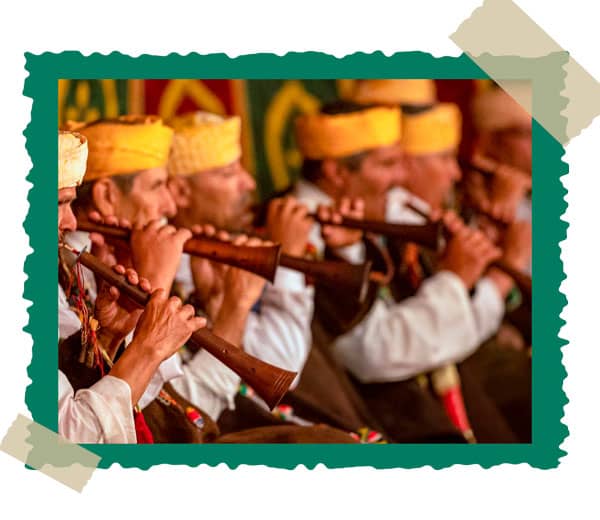
Malhun
A poetic and musical tradition that emerged from artisan and scholarly circles in cities like Fès and Meknès, Malhun is essentially sung poetry, blending storytelling with melodic structure.
- Sung in Moroccan Arabic (Darija) with strong poetic meter
- Often performed by ensembles in a relaxed, café-style setting
- Subjects include love, ethics, religious devotion, and social commentary
Malhun is valued not only as entertainment but as a form of oral literature that preserves Moroccan dialects and wisdom.
Ready to Journey Through the Sounds of Morocco?
From the mystical chants of the desert to the pulsing drums of the mountains, Morocco’s music is more than a sound it’s a heartbeat. Feel the soul of Gnawa echo through ancient medinas, sway to the rhythm of Chaabi in joyful weddings, and watch stories unfold in every graceful movement of traditional dance. This is more than a cultural experience it’s Morocco in motion, and it’s waiting for you to listen, feel, and be moved.
Traditional Moroccan Dance Forms
Dance in Morocco is more than just movement it’s a vibrant, expressive language woven into daily life, celebrations, spiritual practices, and storytelling. Each region has its own traditional dance, deeply rooted in its history, culture, and landscape. These dances are typically performed during weddings, seasonal festivals, religious gatherings, and community events uniting people through rhythm and shared heritage.
Ahidous
Ahidous is one of the most recognizable Amazigh (Berber) dances, commonly performed in the Middle and High Atlas Mountains. It’s a communal, synchronized circle dance that blends movement with rhythmic chanting and poetry.
- Performed by men and women standing shoulder to shoulder, often in traditional attire
- Accompanied by bendir drums and call-and-response singing
- Movements are coordinated and graceful, often involving clapping, stamping, and swaying
- Represents unity, community strength, and the rhythm of rural life
Ahidous is a powerful display of cultural harmony and poetic expression passed through generations.
Guedra
Originating from the Saharan Tuareg and Amazigh communities in southern Morocco (especially in the Guelmim region), Guedra is a ritualistic and trance-like dance traditionally led by women.
- Performed in a seated or kneeling position, using the hands, head, and upper body in delicate, symbolic motions
- Involves rhythmic breathing, hand clapping, and humming
- Accompanied by intense drum beats and chants, building a hypnotic atmosphere
- Used for spiritual connection, protection rituals, and blessings
Guedra is both sacred and sensual, a spiritual expression of feminine energy and Saharan identity.
Reggada
Reggada is a martial-style dance from the Oriental region in northeastern Morocco, often described as a “warrior dance.” It’s characterized by intense movements and celebratory energy.
- Dancers mimic battle gestures with shoulder shakes, foot stomps, and stick twirls
- Accompanied by fast-paced Reggada music, electric instruments, and zurna (a reed flute)
- Traditionally performed by men but now more inclusive
- Frequently featured at modern festivals and weddings for its fiery spirit
It’s a dance of strength and pride full of rhythm, rebellion, and raw cultural emotion.
Shikhat Dance
Also known as the “dance of the Shikhat”, this is a solo, expressive folk dance performed by women, often at weddings and family celebrations.
- Characterized by hip isolations, flowing arm movements, and dramatic turns
- Performed in elaborate costumes and sometimes accompanied by singing
- Historically performed by professional female entertainers (Shikhat)
- Often misunderstood, it’s a celebration of feminine beauty, strength, and storytelling
Despite shifting societal views, the Shikhat dance remains a vital part of Moroccan celebration culture.
These traditional dances aren’t just performances they are windows into Morocco’s diverse identities, histories, and living rituals. Each one adds a unique rhythm to the national heartbeat.
Ready to Journey Through the Sounds of Morocco?
From the mystical chants of the desert to the pulsing drums of the mountains, Morocco’s music is more than a sound it’s a heartbeat. Feel the soul of Gnawa echo through ancient medinas, sway to the rhythm of Chaabi in joyful weddings, and watch stories unfold in every graceful movement of traditional dance. This is more than a cultural experience it’s Morocco in motion, and it’s waiting for you to listen, feel, and be moved.
Musical Instruments of Morocco
The soundscape of Moroccan music is rich and textured, thanks to an array of traditional instruments that reflect the country’s diverse cultural influences from Andalusian courts and Berber villages to Sub-Saharan spiritual ceremonies. These instruments not only define the rhythm and tone of Morocco’s music but also carry deep cultural and symbolic significance.
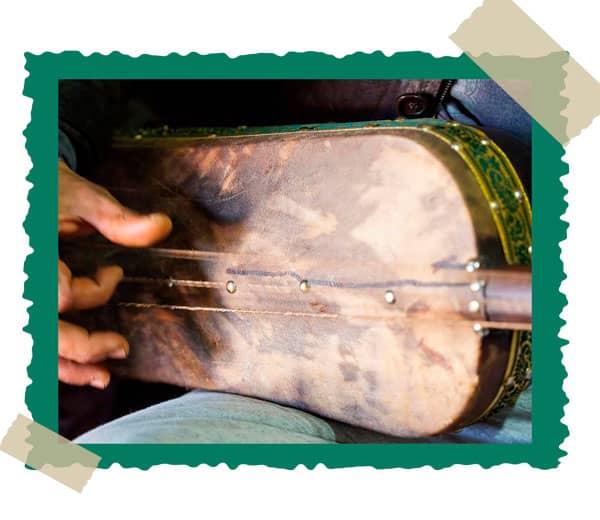
Gembri (or Sintir)
The gembri is the signature instrument of Gnawa music. It’s a three-stringed bass lute carved from wood and covered with camel skin.
- Played by plucking with the fingers while simultaneously tapping the instrument’s body
- Produces a deep, earthy sound that serves as the rhythmic backbone in spiritual trance ceremonies
- Played by Maâlems (Gnawa masters) who lead healing rituals and lila gatherings
- Central to the hypnotic groove that defines Gnawa performance
The gembri isn’t just an instrument it’s a spiritual tool, carrying the heartbeat of African heritage.
Bendir and Tbele
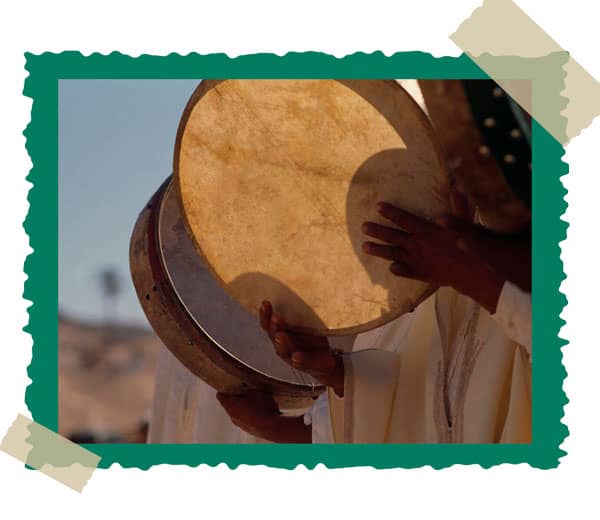
These are Morocco’s most common frame drums, used across musical styles and regions.
- Bendir: A handheld drum with a snare stretched across the back for a buzzing sound
- Tbel: A larger, double-headed drum played with sticks, often used in processions and festivals
- Both are used in Ahidous, Chaabi, and religious music
- Provide rhythmic grounding for both music and dance performances
The beat of the bendir is the pulse of Moroccan folk music, connecting village gatherings and festive celebrations.
Qraqeb
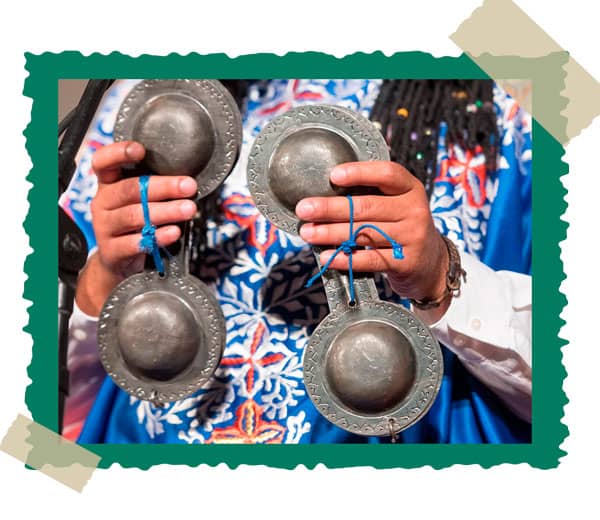
These are large metal castanets used in Gnawa music, producing a sharp, clanging rhythm.
- Played in both hands with rapid wrist movements
- Represent the chains of enslaved Africans turning historical pain into a symbol of resistance and unity
- Often used in tandem with the gembri in trance rituals
- Their sound is unmistakable and deeply tied to Morocco’s Afro-Islamic spiritual traditions
Qraqeb rhythms invite listeners into a deep, soulful connection with ancestral roots.
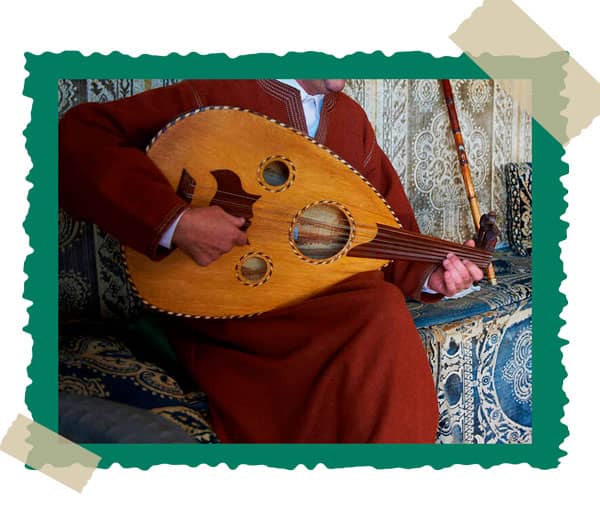
Oud
The oud is a pear-shaped stringed instrument similar to a lute, widely used in Andalusian, Malhun, and classical music.
- Produces rich, warm tones ideal for melodic ornamentation
- Played solo or in ensembles, often alongside violins and qanun
- Known as the “king of instruments” in Arabic music traditions
- Requires great skill and is associated with refinement and emotional expression
The oud’s expressive voice has echoed through Morocco’s palaces and poetry salons for centuries.
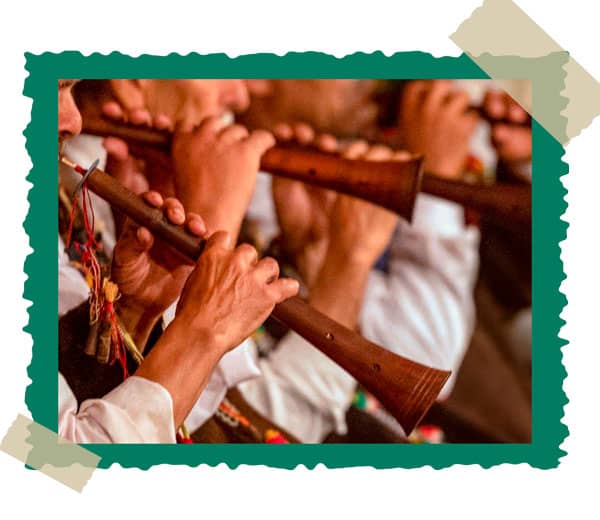
Zurna and Ney
Wind instruments play an important role in both celebratory and spiritual Moroccan music.
- Zurna: A loud, piercing oboe-like instrument used in Reggada and street celebrations
- Ney: A reed flute known for its soft, haunting tone, used in Sufi and spiritual music
- The zurna energizes; the ney soothes together they represent the duality of Moroccan musical expression
Both instruments evoke emotion, from joy and intensity to reflection and devotion.
These traditional instruments are more than tools for making music they are vessels of memory, tradition, and cultural identity. Their sounds continue to shape the melodies of Morocco, whether in ancient towns or modern stages.
Ready to Journey Through the Sounds of Morocco?
From the mystical chants of the desert to the pulsing drums of the mountains, Morocco’s music is more than a sound it’s a heartbeat. Feel the soul of Gnawa echo through ancient medinas, sway to the rhythm of Chaabi in joyful weddings, and watch stories unfold in every graceful movement of traditional dance. This is more than a cultural experience it’s Morocco in motion, and it’s waiting for you to listen, feel, and be moved.
Cultural and Spiritual Significance of Moroccan Music and Dance
In Morocco, music and dance are not simply forms of entertainment they are deeply woven into the spiritual, communal, and cultural fabric of everyday life. From sacred rituals and storytelling to celebrations and resistance, these artistic expressions serve as living traditions that connect Moroccans to their past, their beliefs, and each other.
Music as Spiritual Practice
Certain Moroccan musical styles are closely tied to spiritual healing and religious devotion — especially in Sufi and Gnawa traditions.
- Sufi brotherhoods use music and chanting (dhikr) to enter spiritual states, aiming to draw closer to the divine
- The Gnawa lila, a night-long ritual filled with music, dance, incense, and color, is meant to heal the soul and connect with ancestral spirits
- Instruments like the gembri, qraqeb, and ney are central to these practices
Here, music is more than art it becomes a channel for transcendence, reflection, and inner peace.
Dance as Community Expression
Traditional dances serve as rituals of unity, courtship, celebration, and identity in Moroccan society.
- Ahidous and Ahwach are performed during village festivals to mark harvests, marriages, and religious holidays
- Reggada celebrates strength and masculinity, while Guedra expresses feminine spirituality
- These dances are participatory inviting everyone from elders to children, reinforcing social bonds
They express emotion without words and bring people together through rhythm and movement.
Oral History and Storytelling
Moroccan music preserves oral history, poetry, and folklore, especially in traditions like:
- Malhun, which conveys tales of love, ethics, and politics
- Amazigh music, which keeps indigenous languages and legends alive
- Chaabi, which reflects the voice of the everyday person humorous, romantic, or critical
These songs are living archives, ensuring that Morocco’s stories are remembered and retold across generations.
Cultural Identity and Pride
Each musical and dance tradition represents a distinct part of Morocco’s ethnic, linguistic, and regional diversity:
- From Arab to Amazigh, Saharan to Andalusian, these traditions offer a collective identity rooted in plurality
- Festivals, family events, and even political gatherings use music and dance to foster pride, heritage, and national cohesion
This cultural mosaic doesn’t divide it celebrates diversity as a strength.
In essence, Moroccan music and dance are not only vibrant artistic expressions, they are mirrors of Morocco’s soul, offering insight into its values, beliefs, and enduring traditions.
Modern Influences and Global Reach
While Moroccan music and dance are deeply rooted in tradition, they are far from static. Over the past few decades, artists across Morocco have been blending ancient rhythms with modern genres, pushing creative boundaries and sharing their heritage with global audiences. This fusion of old and new has given Moroccan music a vibrant, evolving identity.
Fusion with Contemporary Genres
Many Moroccan musicians are experimenting with modern sounds blending traditional instruments and melodies with styles like:
- Hip-hop, rap, and trap (e.g., ElGrandeToto, 7liwa)
- Electro-Gnawa (e.g., Innov Gnawa, Hoba Hoba Spirit)
- Jazz, reggae, and funk (e.g., Aziz Sahmaoui, Gnawa Diffusion)
- Pop and rock with Amazigh or Arabic lyrics
These artists are redefining Moroccan identity for younger generations, creating music that speaks to both heritage and modern life.
International Recognition
Moroccan music is gaining traction on the global stage through:
- World music festivals, like the Gnaoua World Music Festival in Essaouira, which brings together local masters and international stars
- Collaborations with international artists and DJs
- Streaming platforms and social media, which help artists reach new audiences beyond borders
This exposure is reshaping global perceptions of Moroccan culture as vibrant, youthful, and dynamic.
Cultural Preservation in the Digital Age
Technology is also helping to preserve and promote traditional music:
- Archival recordings and YouTube channels are reviving forgotten styles
- Youth-led initiatives are documenting local dances and oral histories
- NGOs and cultural organizations are supporting rural musicians and craftspeople
Modern platforms are breathing new life into endangered traditions, ensuring they survive and thrive.
Music as a Tool for Social Change
In today’s Morocco, music also serves as a powerful form of expression and activism:
- Artists use lyrics to address social justice, freedom, identity, and gender issues
- Music festivals often provide platforms for intercultural dialogue and peacebuilding
- Through music and dance, communities articulate their dreams, struggles, and resilience
From Marrakech nightclubs to mountain villages, Moroccan music remains a tool for empowerment and unity.
Moroccan music and dance continue to evolve, adapting to new generations while staying true to their roots. They are a living, breathing reflection of a nation in motion deeply traditional, boldly modern, and unmistakably Moroccan.
Conclusion
Morocco’s music and dance traditions are a vibrant reflection of the country’s rich cultural heritage, blending diverse influences from Amazigh, Arab, Sub-Saharan, and Andalusian roots. These art forms are not only vital to daily life and celebrations but also serve as a means of preserving history, storytelling, and spiritual connection. From the rhythmic beats of Gnawa to the graceful movements of Ahidous, Morocco’s music and dance are an integral part of its identity. As they continue to evolve and inspire new generations, these traditions remain a powerful symbol of Morocco’s cultural richness, offering a window into its soul for the world to appreciate and enjoy.
+212 600 000 000
WowMoroccoTours@gmail.com
The post Exploring Morocco’s Diverse Music and Dance Traditions appeared first on Wow Morocco Tours.
]]>