
Discover the Best Morocco Holiday Deals for Your Dream Adventure
Morocco, a land of vibrant culture, stunning landscapes, and ancient traditions, is a dream destination for travelers seeking adventure, relaxation, or a mix of both. If you’re planning your next getaway, taking advantage of Morocco holiday deals can help you experience the country’s magic without breaking the bank. From the bustling souks of Marrakech to the vast Sahara Desert and the tranquil beaches along the Atlantic coast, Morocco offers something for everyone. In this guide, we’ll explore how to find the best deals, what to expect, and tips to make the most of your Moroccan adventure.
In this guide, we’ll explore everything you need to know about starting your surfing journey in Taghazout, from choosing the right surf camp to what to expect during your stay.
Why Morocco is the Perfect Holiday Destination
Morocco’s charm lies in its diversity. Whether you are a culture enthusiast, nature lover, foodie, or adventure seeker, Morocco has it all:
- Cultural Experiences: Wander through ancient medinas, admire the intricate architecture of palaces, and enjoy traditional music performances.
- Natural Wonders: From the majestic Atlas Mountains to the golden dunes of the Sahara, Morocco’s landscapes are breathtaking.
- Delicious Cuisine: Savor tagines, couscous, pastilla, and fresh mint tea in local markets or traditional riads.
- Vibrant Markets: The souks are a treasure trove of spices, textiles, pottery, and unique handicrafts.
With so much to see and do, finding affordable Morocco holiday deals ensures you can experience more without worrying about overspending.

How to Find the Best Morocco Holiday Deals
Scoring great deals for a Moroccan adventure requires a mix of research, flexibility, and timing. Here are some proven strategies:
1. Book Early or Last Minute
- Early Booking: Planning months ahead often comes with discounted rates on flights, hotels, and tours.
- Last-Minute Offers: If you have a flexible schedule, some agencies and airlines offer significant last-minute discounts.
2. Compare Packages
Look for all-inclusive Morocco holiday deals or package tours that bundle accommodation, transport, and activities. Comparing multiple providers ensures you get the best value.
3. Consider the Season
- Peak Season (March–May, September–November): Ideal weather but slightly higher prices.
- Off-Peak Season (June–August, December–February): Lower prices and fewer crowds, though some areas can be very hot in summer.
4. Explore Local Travel Agencies
Local agencies often provide exclusive deals and personalized packages. They can customize trips according to your preferences and budget.
5. Use Online Resources
Websites, travel forums, and deal aggregators can help you track promotions and special offers.

Top Morocco Destinations Included in Holiday Deals
A well-rounded Morocco holiday deal often covers a combination of the following destinations:
Marrakech: The Heart of Moroccan Culture
Marrakech, known as the “Red City,” is famous for its vibrant souks, stunning palaces, and bustling Jemaa el-Fnaa square. Highlights include:
- Majorelle Garden: A serene oasis with exotic plants.
- Bahia Palace: A masterpiece of Moroccan architecture.
- Traditional Riads: Stay in authentic Moroccan guesthouses for a unique experience.
The Sahara Desert: Adventure Under the Stars
No Morocco trip is complete without exploring the Sahara. Many Morocco holiday deals with desert tours include:
- Camel trekking across sand dunes
- Overnight stays in Berber-style desert camps
- Stargazing under the clear desert sky
Fes: A Step Back in Time
Fes is a UNESCO World Heritage site and a cultural hub. Explore:
- Fes el-Bali: One of the world’s oldest medinas
- Leather Tanneries: Witness traditional leather-making techniques
- Local Cuisine: Sample authentic Moroccan dishes in a historic setting
Essaouira: Coastal Charm
For a laid-back coastal vibe, Essaouira is perfect. Activities often included in holiday deals:
- Kite surfing and windsurfing
- Exploring the fortified medina
- Enjoying fresh seafood along the port
Atlas Mountains: Nature and Adventure
Ideal for hiking enthusiasts, the Atlas Mountains provide stunning landscapes, Berber villages, and adventure opportunities such as trekking and biking.
Types of Morocco Holiday Deals
Travelers can choose from a variety of deals tailored to different interests:
1. Cultural Tours
Experience Morocco’s history, architecture, and traditions. Includes guided city tours, museum visits, and cooking classes.
2. Adventure Packages
Perfect for thrill-seekers. May include hiking in the Atlas Mountains, desert safaris, or quad biking in the dunes.
3. Beach & Relaxation Deals
Focus on the coastal regions of Agadir or Essaouira with luxury resorts, spa treatments, and beach activities.
4. Luxury Experiences
High-end packages featuring five-star accommodations, private tours, and personalized services.
5. Budget-Friendly Packages
For those traveling on a budget, options include shared accommodations, group tours, and limited yet exciting itineraries.

Why Learning to Surf in Taghazout is a Unique Experience
Beyond surfing, Taghazout offers an unforgettable cultural and scenic experience:
-
Breathtaking sunsets: The coastline is perfect for post-surf relaxation.
-
Moroccan cuisine: Enjoy fresh seafood, tagines, and mint tea.
-
Friendly locals: The town is welcoming, making it easy to socialize.
-
Adventure beyond surfing: Explore nearby villages, hike the Atlas Mountains, or ride camels along the beach.
Your surf camp experience becomes more than just lessons; it’s a full Moroccan adventure.
Tips to Maximize Your Morocco Holiday Deal
Getting the most value from your trip requires smart planning. Here are some insider tips:
- Flexibility: Be flexible with dates and destinations to unlock better deals.
- Group Travel: Traveling in a group often reduces costs per person.
- Local Transportation: Using trains or buses can save money compared to private transfers.
- Negotiate Wisely: Bargaining is part of the Moroccan experience, especially in markets and with local guides.
- Plan Activities in Advance: Some tours offer early-bird discounts for excursions or experiences.
Why Booking Through Trusted Providers Matters
Booking through reputable agencies ensures reliability, safety, and a hassle-free experience. Many Morocco holiday deals with local tour operators include expert guides, accommodations vetted for quality, and well-planned itineraries. This not only saves time but also ensures a richer, more authentic experience.
For more information and to plan your trip, contact us here. Our experts can help you design a tailor-made adventure, taking full advantage of the best deals and experiences Morocco has to offer.

Your Morocco Holiday Deals adventure is calling!
From the colors of Marrakech to the silence of the Sahara, your journey through Morocco will stay with you long after you return home — in your stories, your photos, and the memories you’ll carry forever.
Ready to plan your Morocco Holiday Deals getaway?
Start your dream trip with just one click!
Sample Itinerary for a 7-Day Morocco Holiday
Here’s an example of what a well-rounded holiday package might include:
Day 1-2: Arrival in Marrakech, guided city tour, and traditional Moroccan dinner
Day 3: Travel to the Atlas Mountains, overnight stay in a Berber village
Day 4-5: Sahara Desert excursion with camel trekking and overnight camp
Day 6: Fes city tour, exploring medinas and artisan workshops
Day 7: Return to Marrakech, free time for shopping and departure
This kind of itinerary is often included in all-inclusive Morocco holiday deals, offering a balanced mix of adventure, culture, and relaxation.
Conclusion: Unlock the Magic of Morocco with Holiday Deals
Exploring Morocco is an unforgettable experience, and the right Morocco holiday deals make it accessible, affordable, and enjoyable. From the vibrant cities to serene deserts and picturesque coasts, every corner of Morocco offers a new adventure. By planning smartly, booking through trusted providers, and taking advantage of seasonal promotions, you can create a trip filled with memories, culture, and breathtaking sights.
Don’t wait to turn your Moroccan dreams into reality. Contact us here to explore the best holiday deals and start planning your adventure today. With the right guidance and packages, Morocco is ready to welcome you with open arms.
+212 600 000 000
WowMoroccoTours@gmail.com
The post Discover the Best Morocco Holiday Deals for Your Dream Adventure appeared first on Wow Morocco Tours.
]]>
Best Kasbahs in Morocco: Explore the Country’s Most Stunning Fortresses
Morocco is famous for its rich history, vibrant culture, and breathtaking landscapes. Among its many treasures, the country’s kasbahs stand out as unique historical fortresses that capture the imagination. If you’re planning a Moroccan adventure, discovering the best kasbahs in Morocco is an essential experience. From majestic desert fortresses to lush mountain retreats, these kasbahs offer incredible insights into Moroccan architecture, history, and local life.
This guide will take you through Morocco’s most iconic kasbahs, insider travel tips, and cultural experiences to make your journey unforgettable.
What is a Kasbah?
Before diving into the best kasbahs, it’s helpful to understand what a kasbah is. A kasbah is a type of fortress or fortified village, traditionally built from clay or mud-brick. Historically, kasbahs served as:
-
Defense structures to protect against invasions.
-
Homes for local leaders or families.
-
Centers for trade and storage.
Visiting a kasbah allows you to step back in time and experience Morocco’s rich history firsthand. Exploring the best kasbahs in Morocco provides a glimpse into the country’s architectural ingenuity and cultural heritage.

Top Kasbahs in Morocco
Here are some of the most remarkable kasbahs you should include in your itinerary:
Kasbah Ait Ben Haddou
Arguably the most famous kasbah in Morocco, Ait Ben Haddou is a UNESCO World Heritage site. Located along the ancient caravan route between the Sahara Desert and Marrakech, this kasbah features stunning clay architecture, narrow alleyways, and panoramic views of the surrounding valley. It’s also a popular filming location for movies and TV shows, including Game of Thrones.
Kasbah Taourirt in Ouarzazate
Kasbah Taourirt is a striking fortress located in Ouarzazate, often referred to as the “Gateway to the Desert.” Once home to the Glaoui family, this kasbah showcases traditional Moroccan design with its towers, courtyards, and intricate decorations. Guided tours provide insight into its history and the lives of the families who once lived there.
Kasbah Amridil in Skoura
Nestled in the lush Skoura Valley, Kasbah Amridil is one of the most well-preserved kasbahs in Morocco. Surrounded by palm groves and farmland, it offers an authentic look into rural Moroccan life. Visitors can explore its rooms, granaries, and courtyards while learning about traditional construction techniques.
Kasbah Telouet
Located on the edge of the High Atlas Mountains, Kasbah Telouet was once the home of the powerful Glaoui family. This kasbah is known for its grandeur, ornate decorations, and strategic location along the ancient caravan route. Walking through Telouet is like stepping into a storybook of Moroccan history.
Why Visit Kasbahs in Morocco?
Visiting kasbahs offers a variety of experiences beyond sightseeing. Here’s why they’re considered must-see destinations:
-
Cultural Immersion: Kasbahs provide insight into Morocco’s history, architecture, and local traditions.
-
Photography Opportunities: With their clay walls, towers, and desert landscapes, kasbahs are visually stunning.
-
Adventure and Exploration: Many kasbahs are located near deserts, valleys, and mountains, perfect for hiking or camel treks.
-
Historical Learning: Guided tours offer stories about local families, trade routes, and historical events.
Exploring the best kasbahs in Morocco allows travelers to combine history, culture, and adventure in one unique experience.

Tips for Visiting Kasbahs in Morocco
To make the most of your kasbah visits, keep these tips in mind:
-
Hire a local guide to learn about the history and hidden details.
-
Wear comfortable shoes for walking on uneven surfaces.
-
Bring water and sun protection, especially if visiting desert kasbahs.
-
Respect local customs, especially in areas that are still inhabited.
-
Plan your visits in the morning or late afternoon to avoid the hottest parts of the day and get the best lighting for photos.
Following these tips ensures a safe and enjoyable exploration of Morocco’s fortresses.

Experiencing Kasbahs Beyond Sightseeing
Many kasbahs offer experiences that go beyond just sightseeing:
-
Stay in a Kasbah Hotel: Some kasbahs, like Ait Ben Haddou or Amridil, have been converted into boutique hotels offering authentic accommodations.
-
Cultural Workshops: Participate in cooking classes, pottery workshops, or traditional music sessions.
-
Desert Excursions: Many kasbahs near the Sahara provide camel treks, 4×4 tours, or overnight desert camping.
These activities make your trip to the best kasbahs in Morocco more immersive and memorable.
Your Moroccan kasbah adventure awaits!
From the majestic walls of Ait Ben Haddou to the lush Skoura Valley, the best kasbahs in Morocco will stay with you long after your visit—in your photos, in your memories, and in your heart.
Ready to explore Morocco’s historic fortresses? Research us with one click!
Conclusion: Discover Morocco’s Kasbah Treasures
From the majestic walls of Ait Ben Haddou to the lush surroundings of Kasbah Amridil, Morocco’s kasbahs are a window into the country’s fascinating history and culture. Visiting the best kasbahs in Morocco offers adventure, photography opportunities, and cultural immersion in one unforgettable journey.
For more information and to plan your trip, get in touch with us here. Embark on your Moroccan adventure and explore the magical world of kasbahs!
+212 600 000 000
WowMoroccoTours@gmail.com
The post Best Kasbahs in Morocco: Explore the Country’s Most Stunning Fortresses appeared first on Wow Morocco Tours.
]]>
Ramadan in Morocco: A Sacred Month of Reflection & Tradition
During ramadan in morocco, the streets may seem quiet by day, but as dusk falls, the energy surges in extraordinary ways. Let’s explore how Morocco’s spiritual and cultural heartbeat resonates throughout this sacred month.
Understanding Ramadan in Morocco Timing
The Islamic lunar calendar determines when Ramadan in Morocco takes place, advancing approximately 10–15 days earlier each year. In 2025, the holy month begins the evening of February 28 and ends on March 30.
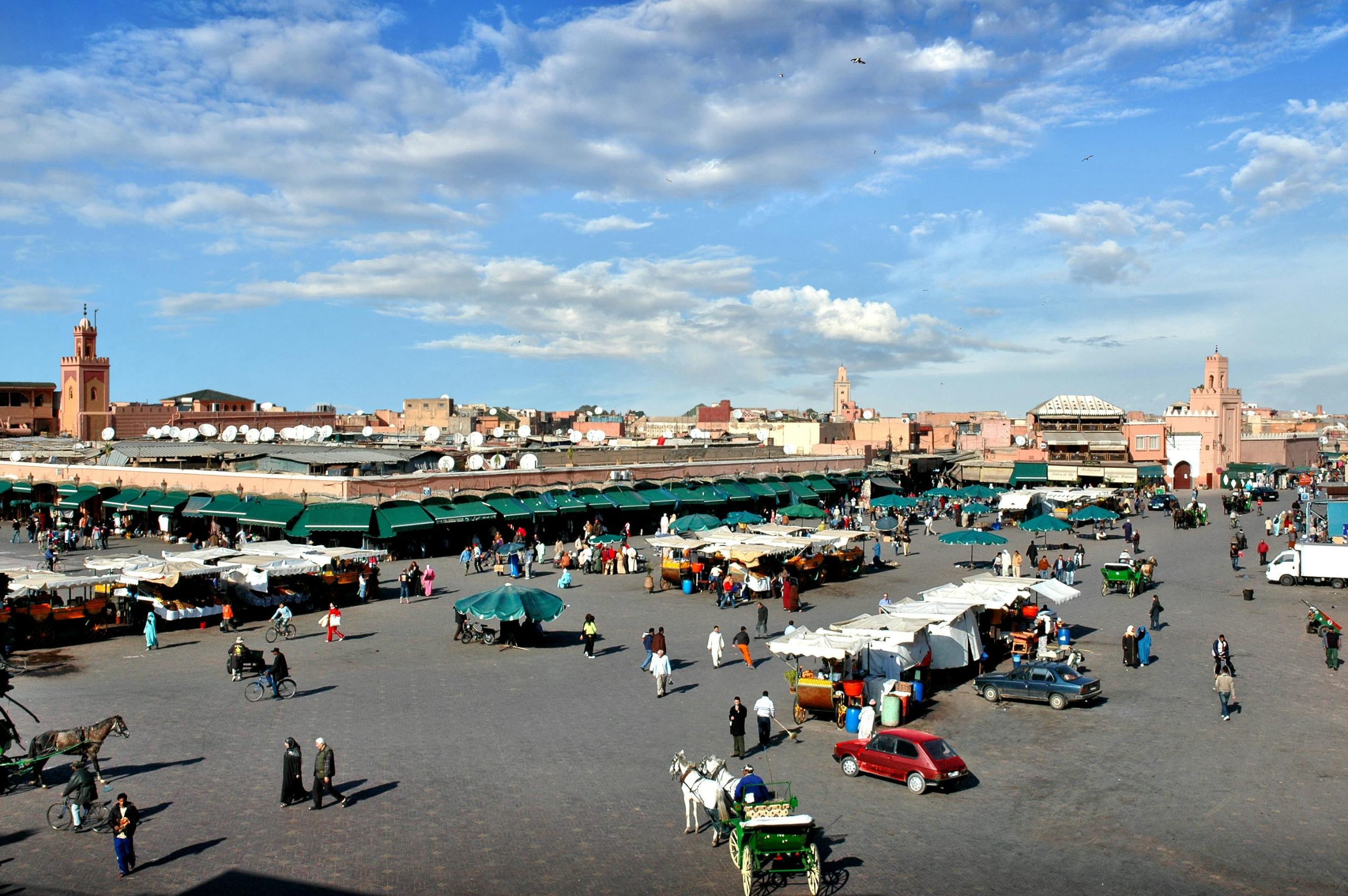
Muslims fast from dawn until sunset for a period of 30 days. The fasting duration gradually increases, from roughly 12 hours and 47 minutes at the start to about 14 hours and 43 minutes near the end. In Casablanca, Fajr starts around 5:31 AM and sunset is roughly 6:27 PM. Marrakech is similar, with Fajr at 5:33 AM and sunset at 6:30 PM. While times differ slightly by city, the spiritual rhythm unites the nation.
Daily Life and City Rhythms
Public life shifts significantly during Ramadan. Offices and shops adjust their schedules, often closing early. Streets tense up about an hour before sunset with people rushing home for iftar. Following sunset, activity temporarily halts while families enjoy their evening meal.
Locals wake early for suhoor and fajr prayers, leading to a later start to the day for most people. Midday becomes the most active time, with quiet mornings and evenings.
Markets, Food, and Shopping Buzz
As Ramadan nears, markets brim with spices, produce, and sweets. The government ensures adequate supplies of fruits, grains, and meats throughout the month. Neighborhood markets operate mostly during daytime, while major grocery stores stay open well into the night, some until 1 AM.
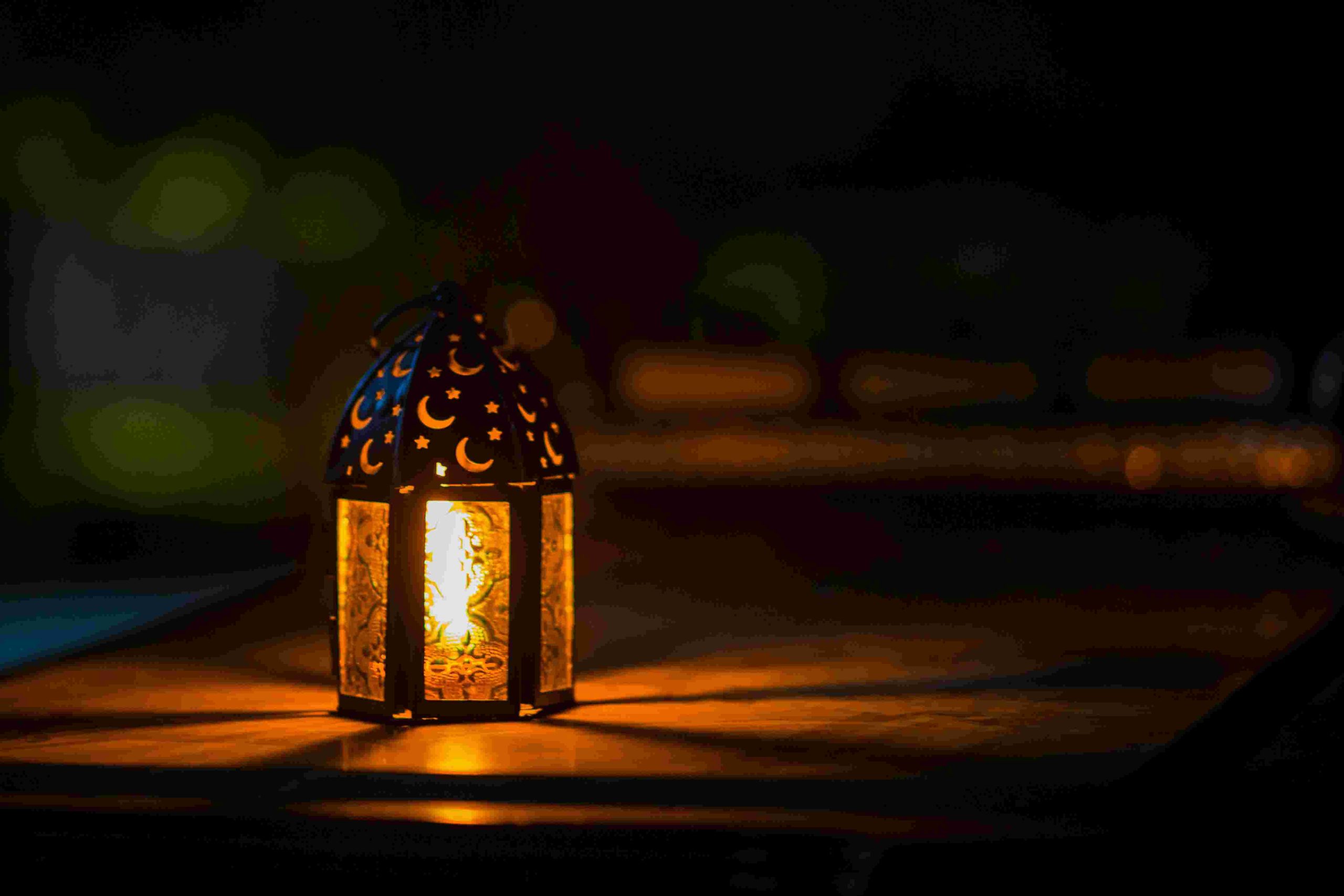
Special Ramadan-only bazaars emerge after dark, especially in the final week when families shop for Eid outfits and festive treats. If you explore these souks at night, you’ll find stalls lit under lanterns, offering vibrant local crafts and food.
Popular Ramadan dishes include:
-
Harira: a hearty tomato‑lentil soup served with dates and chebakia
-
Sellou: a sweet, nutrient-rich mix of roasted flour, nuts, and seeds
-
Briouats: savory or sweet triangular pastries filled with meat or almond paste
-
Batbout: Moroccan flatbread perfect for stuffing with meats or cheese
Dates are essential for breaking the fast. Prices may rise by 10–15% compared to the previous year, prompting authorities to monitor pricing closely to protect consumers.
Ramadan in morocco at nights
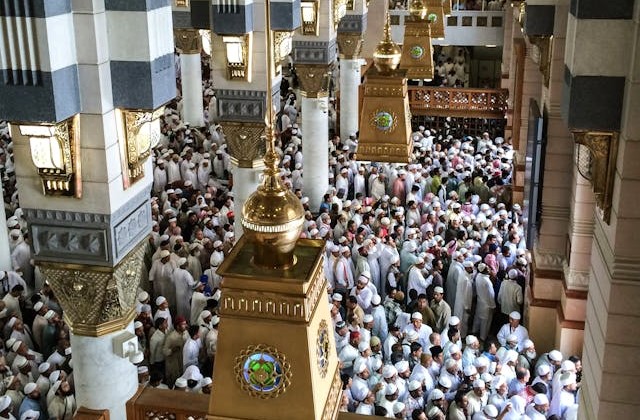
As the sun sets, Morocco begins to transform. The call to prayer, Al Adhan, echoes from every mosque, signaling the end of the fast. At this moment, families break their fast with just dates and water, then head straight to the mosque to perform the Maghrib prayer.
Afterward, people return home for a full iftar meal, often featuring harira (a traditional soup), chebakia, briouats, and other seasonal dishes. Streets remain vibrant from around 6 PM to 1 AM, with restaurants offering special Ramadan menus, and night markets buzzing with visitors shopping for sweets, clothes, and handcrafted goods.
In some towns, the tradition of the Nafar still continues—an early morning crier dressed in a robe who walks through neighborhoods blowing a horn to awaken people for suhoor, the pre-dawn meal. This balance of peaceful daytime and energetic nighttime truly reflects the spiritual and cultural rhythm of Ramadan in Morocco.
Cultural Etiquette and Local Customs
Visiting during ramadan in morocco offers a deeper cultural immersion—if you follow local customs with respect.
Dress & Behavior
Dress modestly—cover shoulders and knees—especially in rural areas. Women may use a shawl for added modesty. Eating, drinking, or smoking in public during daylight is not only frowned upon but also legally restricted for Moroccans. Tourists can eat discreetly indoors or in special venues.
Politeness & Greetings
Use respectful greetings like “Ramadan Kareem” or “Ramadan Mubarak.” If you’re invited to iftar, bring a halal gift, and wait until prayers conclude before eating. Respect the energy levels of those fasting and keep noise to a minimum, particularly near mosques. Alcohol is unavailable from about ten days before Ramadan until its end.
Photography Etiquette
Always ask before photographing locals—especially in residential areas or marketplaces. Don’t photograph children without parental permission. While mosques are off-limits to non-Muslims, you may observe prayers at entrances—do so quietly and respectfully; refrain from photographing.
Final Thoughts on Ramadan in Morocco
Experiencing ramadan in morocco offers a journey beyond tourism—it’s an invitation into a world of spiritual reflection, communal meals, vibrant markets, and centuries-old traditions. By honoring customs and engaging thoughtfully, visitors can enjoy an unforgettable blend of cultural grace and joyous celebration.
Customize Your Dream Vacation!
Get in touch with our local experts for an unforgettable journey.
+212 600 000 000
WowMoroccoTours@gmail.com
The post Ramadan in Morocco: A Sacred Month of Reflection & Tradition appeared first on Wow Morocco Tours.
]]>
Traditional Moroccan Clothing: The Stories Behind the Styles
Introduction
Traditional Moroccan clothing is more than just a way of dressing; it’s a vivid reflection of the country’s rich history, diverse cultures, and deep-rooted values. Each piece of clothing tells a story, from the bright, intricately woven threads of a djellaba to the royal elegance of a caftan. These garments are not merely about fashion, but about identity, status, and the preservation of Morocco’s ancient traditions.
The distinctiveness of Moroccan clothing lies in its regional variety, its fusion of Arab, Berber, and Andalusian influences, and its ability to transcend time. While the modern world has seen an influx of global fashion trends, traditional Moroccan attire continues to play an essential role in everyday life and ceremonial occasions. Whether in the bustling streets of Marrakech or the serene villages in the Atlas Mountains, these clothes are a testament to the enduring legacy of Moroccan craftsmanship, culture, and history.
In this post, we’ll explore some of the most iconic traditional Moroccan garments, delve into the stories behind each, and uncover the symbolic meanings tied to these timeless styles.
The Djellaba: The Iconic Moroccan Garment
The djellaba is perhaps the most recognizable traditional garment in Morocco. Worn by men, women, and children alike, this flowing, hooded robe is a staple in daily life and holds deep cultural significance. More than just a practical item of clothing, the djellaba represents Moroccan identity and embodies the essence of Moroccan craftsmanship.
History and Evolution of the Djellaba
The origins of the djellaba are rooted in Morocco’s Berber, Arab, and Andalusian heritage. Initially a simple garment made from wool, the djellaba was designed to protect against the harsh weather conditions of the Moroccan landscape, from the scorching heat of the desert to the cold of the mountains.
Over time, the djellaba has evolved into a garment that is both functional and symbolic, with intricate designs and various types of fabric used for different occasions. While it remains a staple of everyday wear, the djellaba has been modernized and adapted, with designers adding new cuts, colors, and embellishments while preserving its traditional appeal.

Types of Djellabas
- Men’s Djellaba: Typically, men’s djellabas are made from heavier, warmer fabrics such as wool and are usually worn in neutral tones (earthy colors like beige, brown, and black). The simple design often includes a wide sleeve, a loose fit, and a hood (known as a “kiswa”), which is practical for protection from the sun and cold.
- Women’s Djellaba: Women’s djellabas tend to be more elaborately designed. While they share the same basic structure as the men’s version, women’s djellabas often feature intricate embroidery around the neck, cuffs, and hem. They are typically made from softer fabrics, like silk or cotton, especially for special occasions.
- Children’s Djellaba: Kids’ djellabas are usually made from lighter fabrics and are cut to allow for ease of movement. Bright colors and playful patterns can be incorporated, reflecting a more youthful, fun aspect of the garment.

Role of the Djellaba in Daily Life and Special Occasions
The djellaba is worn daily by people of all walks of life in Morocco. From farmers in the countryside to city dwellers in Casablanca, the djellaba is an easy, versatile garment suitable for the hot summer months as well as the cooler seasons.
- For special occasions like weddings or religious festivals, the djellaba takes on a more ornate character. Women may wear a heavily embroidered djellaba, often paired with matching accessories such as jewelry and scarves. These garments may also be made from luxurious fabrics like satin and velvet.
- In cities, the djellaba also serves as a symbol of modesty and elegance. The hooded nature of the garment offers a sense of privacy and protection, while still being stylish and timeless.
Regional Variations
Although the basic shape of the djellaba remains constant across Morocco, regional differences can be seen in the fabric choices, embroidery patterns, and colors:
- Rural areas often see djellabas made from simple wool or cotton, with a more rustic feel and practical use.
- In urban centers, particularly places like Marrakech and Casablanca, the djellaba is a fashion statement with vibrant colors, modern cuts, and high-end fabric choices.
- Berber communities in the mountain regions prefer warmer, thicker fabrics for protection from the cold, and their djellabas often feature intricate hand-woven designs.
The djellaba is a garment that transcends age, gender, and social status. Its enduring presence in Moroccan culture is a testament to the timeless appeal of traditional design and the skill of Moroccan artisans. Whether worn for practical reasons or for ceremonial events, the djellaba remains an enduring symbol of Moroccan heritage.
Curious About the Elegance of Moroccan Attire?
From the flowing lines of the djellaba to the intricate embroidery of the kaftan, Moroccan clothing tells a story of heritage, identity, and artistry. These garments are more than fashion they’re expressions of tradition, craftsmanship, and culture passed down through generations.
Whether you’re a style enthusiast or a traveler fascinated by cultural dress, Morocco’s timeless wardrobe invites you to discover the beauty woven into every thread.
Ready to explore the fabric of Moroccan tradition?
The Kaftan and Takchita: Symbols of Moroccan Elegance
In Moroccan culture, fashion is more than just personal style it’s a deep expression of identity, social standing, and centuries of heritage. Among the most iconic garments that embody this richness are the Kaftan and the Takchita. These traditional Moroccan dresses are not only staples of ceremonial wear but also celebrated works of art passed down through generations.
The Kaftan: A Royal Legacy
The kaftan is one of the oldest and most prestigious garments in Moroccan history, worn by women for hundreds of years. It is typically a one-piece, ankle-length robe with long sleeves, tailored from luxurious fabrics like silk, brocade, velvet, or satin. What makes each kaftan special is the meticulous hand embroidery, often done with metallic threads, beads, sequins, or stones, forming delicate arabesques and motifs that reflect Morocco’s Islamic, Berber, and Andalusian artistic influences.
-
Occasions: Worn during weddings, religious holidays, official receptions, and milestone family events.
-
Craftsmanship: Each kaftan can take weeks or even months to complete, especially those made for brides or high society.
-
Symbolism: The kaftan conveys elegance, femininity, and pride in cultural heritage. In some regions, it’s also worn as a sign of social rank or family wealth.
Although rooted in tradition, the kaftan continues to evolve. Moroccan and international designers are now showcasing modern interpretations with slimmer silhouettes, bold color palettes, and fashion-forward tailoring, making it a versatile choice even for red carpet events.

The Takchita: Drama, Detail, and Grandeur
The takchita is often mistaken for a kaftan, but it is a two-layered ensemble that elevates Moroccan fashion to theatrical heights. It consists of:
-
Tahtiya: The inner layer — a simple, often fitted dress.
-
Dfina: The outer layer — an open, decorated robe that is more ornate and usually sheer, tied with a wide, often jewel-embellished belt (mdamma).
This layering creates depth, movement, and a sense of grandeur that is ideal for weddings, henna nights, and formal galas. Brides often wear custom-designed takchitas that sparkle with crystals, fine lace, pearls, and embroidery, making them the centerpiece of any ceremony.
-
Flexibility: Takchitas allow for mix-and-match styling, which is why women often own several pieces to rotate and combine for different looks.
-
Cultural Roots: Though modern in appearance, the takchita is believed to be a development of historical layered garments worn by women in the courts of Andalusia and Fez.

More Than Just Fashion
What makes both the kaftan and takchita so special is their enduring connection to Moroccan identity. These garments are deeply personal and often custom-made, allowing women to choose the colors, fabrics, embroidery patterns, and finishes that represent their personality or family traditions.
Even today, women often have their kaftans and takchitas tailored by maalems (master artisans), ensuring that the techniques used like sfifa (silk trimming) and qaid (hand-stitched embellishment) — maintain the authenticity and artistry of the craft.
A Global Influence
Moroccan kaftans and takchitas have also gained international recognition. From the runways of Paris and Dubai to the wardrobes of celebrities, these traditional garments have inspired global fashion trends. Moroccan designers like Fadila El Gadi and Zhor Rais have brought modern elegance to these timeless pieces, blending cultural symbolism with high fashion.
The Balgha: Timeless Moroccan Footwear
No traditional Moroccan outfit is truly complete without the balgha — the iconic leather slipper worn by both men and women across Morocco for centuries. Simple in design yet rich in heritage, the balgha is more than just footwear; it’s a cultural symbol of comfort, craftsmanship, and tradition.
Desing and Craftsmanship
The Balgha is typically a backless slipper made from leather, often dyed in natural tones like yellow, brown, black, or red. While men’s balghas tend to be plain and functional, women’s versions can feature ornamental stitching, embossing, sequins, or even silk linings, especially when worn with festive or ceremonial attire.
Each pair is usually handmade by skilled artisans known as cherbils, especially in cities like Fes and Marrakech, where leather craftsmanship is a long-standing tradition. The process includes:
- Tanning natural leather using ancient methods (often in traditional tanneries),
- Cutting and sewing the leather by hand,
- Finishing with dyes or embellishments for decorative versions.

Cultural Significance
Worn with traditional garments like the djellaba, kaftan, or takchita, the balgha adds an authentic finishing touch to the outfit. They are commonly seen at weddings, religious holidays, family gatherings, and even everyday use in rural areas.
-
Yellow balgha is especially symbolic for men during Eid and weddings.
-
Women’s balghas can be color-matched with their dresses, showcasing style and personal expression.
Modern Use
While many Moroccans still wear balghas at home or for cultural events, the style has also been embraced in modern fashion. Contemporary versions with cushioned soles and new colors are now sold in boutiques and even exported abroad as boho-chic or artisan footwear.
Curious About the Elegance of Moroccan Attire?
From the flowing lines of the djellaba to the intricate embroidery of the kaftan, Moroccan clothing tells a story of heritage, identity, and artistry. These garments are more than fashion they’re expressions of tradition, craftsmanship, and culture passed down through generations.
Whether you’re a style enthusiast or a traveler fascinated by cultural dress, Morocco’s timeless wardrobe invites you to discover the beauty woven into every thread.
Ready to explore the fabric of Moroccan tradition?
The Burnous: The Traditional Cloak
The Burnous is a traditional Moroccan cloak with deep historical roots, often associated with the Berber and Arab cultures of North Africa. Unlike the more commonly seen djellaba or caftan, the burnous is a loose-fitting cloak, typically worn by men in both everyday life and on formal occasions. While it’s often linked with Morocco’s rural and mountainous regions, it remains a symbol of warmth, modesty, and protection.
History and Cultural Significance of the Burnous
The burnous has ancient origins, thought to date back to pre-Islamic times in North Africa, influenced by Berber and Arab traditions. Historically, it was worn by tribal leaders, warriors, and scholars, symbolizing both protection and prestige. The burnous is often associated with nomadic life, providing comfort and insulation against the elements, whether in the desert heat or mountain cold.
The garment was especially useful for Berber and Bedouin people, who traveled across Morocco’s vast landscapes. Its wide, hooded design offered protection from both the sun and the rain, while also serving as a form of modest covering. Even today, it carries a sense of pride and dignity, marking the wearer as someone with a connection to Morocco’s nomadic heritage.

Design of the Burnous
The burnous is typically made from wool or heavy cotton, designed to withstand Morocco’s climate. Its primary feature is the hood, which was originally intended to protect against the elements, but it also serves as a symbol of humility and modesty. The loose-fitting nature of the burnous allows for easy movement, and its rectangular shape makes it easy to drape over the body.
The length of the burnous can vary, but it is often long enough to cover the wearer down to the ankles, and it is typically worn over everyday clothing or as a formal outer garment. While it is generally plain, modern burnous may include embroidered details, such as decorative stitching along the hem or sleeves. These embroidered elements often add a sense of craftsmanship and artistry, showcasing the traditional skills of Moroccan artisans.
Modern Use of the Burnous
While the burnous is mostly associated with Morocco’s rural and mountainous regions, it has also made its way into urban fashion and global design. Its utility as a warm outer garment has led to its adoption in cooler regions of Morocco, especially in the mountainous areas like the High Atlas and Rif Mountains.
- In urban areas, the burnous is typically worn for special occasions, such as religious festivals, family gatherings, or weddings. It remains a symbol of respect and elegance, often paired with traditional accessories, like gold jewelry or a fez.
- Modern versions of the burnous are made from lighter materials and designed in a way that can be worn on more casual occasions. Urban fashion has transformed the burnous into a stylish and comfortable garment, showcasing a balance between traditional heritage and contemporary trends.
Burnous in Modern Fashion and Pop Culture
In recent years, the burnous has also found its way into global fashion and pop culture, with designers incorporating it into high-end collections and fashion shows. Its clean lines and distinctive style have made it an inspiration for couture designers, and it is increasingly seen in fashion-forward urban settings.
Some designers have given the burnous a contemporary twist, experimenting with color, fabric, and cut. These modern takes on the burnous make it a versatile piece that can fit into both traditional and modern wardrobes, serving as a reminder of Morocco’s deep-rooted cultural identity.
The Burnous is a striking garment that blends history, functionality, and fashion. Its timeless appeal, rooted in Morocco’s nomadic traditions, continues to make it an iconic piece of Moroccan clothing today.
The Fes Hat (Tarbouche)
The Fes hat, also known as the tarbouche, is a symbol of Moroccan identity, representing a piece of history and tradition that continues to hold cultural significance today. This small, brimless hat has become a quintessential feature of Moroccan dress, often associated with intellectuals, urban elites, and traditional scholars throughout Moroccan history.
Origins and Cultural Significance of the Fes Hat
The Fes hat gets its name from the city of Fes, one of Morocco’s most historic and culturally rich cities. It is thought to have originated during the Alawite Dynasty and became particularly popular during the 19th century, worn by educated men and religious scholars (often referred to as ulamas). The tarbouche served as a mark of prestige and education, and it was worn in both Moroccan courts and religious gatherings.
Traditionally, the Fes hat was associated with intellectual life and formal dress, signifying the wearer’s status and connection to the elite or academic circles. It was also a symbol of modesty and dignity, frequently worn during religious ceremonies and communal prayers.

Design and Characteristics of the Fes Hat
The Fes hat is characterized by its simple yet elegant design. Typically, it is made from felted wool or cotton, giving it a stiff structure. It features a short, cylindrical shape and is traditionally red, although variations in color can occur depending on the region and the wearer’s social standing.
- Color: The most iconic Fes hats are deep red, although black, green, and blue versions are also worn. Red, in particular, has symbolic associations with royalty and spirituality, reflecting the hat’s connection to Moroccan elite society and religious practices.
- Size and Shape: The Fes hat is typically worn snugly on the head, with a slightly flat top and no brim. The design is both practical and stylish, fitting closely to the head to create a neat and refined look.
Adornment: The hat may feature decorative tassels or fringes attached to the top, particularly in traditional versions worn during festivals and important religious gatherings. However, modern Fes hats may be more minimalistic, focusing on the clean lines and sleek silhouette.
The Fes Hat and Its Role in Moroccan Society
Historically, the Fes hat has been a garment worn during formal occasions, such as weddings, religious ceremonies, and government events. Men who wore the tarbouche were often seen as having a higher social status, especially when they belonged to intellectual, religious, or political circles.
- Symbol of Education: During the era of the French protectorate in Morocco (1912-1956), the Fes hat became a symbol of educated Moroccan men, worn by university graduates and those involved in political activism. It was particularly popular among intellectuals who sought to assert their Moroccan identity in the face of colonial influence.
- Religious Significance: The Fes hat is also closely tied to Islamic traditions in Morocco. Many scholars and religious leaders in Morocco continue to wear the tarbouche as part of their formal attire, often paired with traditional robes during Friday prayers or religious celebrations.
The Fes Hat in Modern Times
In recent years, the Fes Hat has evolved from a symbol of elite status to a piece of national pride. While it is no longer worn by the masses on a daily basis, it still holds a place in formal Moroccan attire and is proudly displayed during national holidays, festivals, and ceremonial occasions.
- Contemporary Fashion: Modern interpretations of the Fes hat have led to its adoption by fashion designers who are using it as part of contemporary Moroccan-inspired collections. The Fes hat has been incorporated into global fashion trends, with its distinctive silhouette and red color becoming a stylish accessory in both urban settings and high fashion circles.
- Tourism and Souks: The Fes hat remains a popular souvenir for tourists visiting Morocco. Made by skilled artisans in Fes and other regions, these hats are available in various sizes, colors, and designs, catering to both traditional tastes and modern preferences.
The Fes Hat as a National Symbol
The Fes hat is a national symbol of Morocco’s heritage, intellectualism, and religious practices. It represents the cultural resilience of the Moroccan people and their ability to preserve and adapt their traditions in a modern world. Whether worn for religious ceremonies, cultural events, or simply as a statement of pride, the tarbouche is an enduring symbol of Morocco’s rich and diverse cultural identity.
The Fes hat remains a classic and cherished item of Moroccan attire, woven into the fabric of the country’s historical, cultural, and religious life. It is a testament to Morocco’s ability to blend tradition and modernity in a way that celebrates both its past and its future.
Accessories and Jewelry: Adding the Finishing Touches
No Moroccan outfit is truly complete without the right accessories and jewelry, which play a vital role in Moroccan fashion. These additions serve not only to enhance the beauty and intricacy of the clothing but also carry cultural significance, reflecting the history, traditions, and status of the wearer. From intricate jewelry to decorative scarves, Moroccan accessories help elevate an outfit to something truly special.
Traditional Jewelry: A Symbol of Wealth and Status
Moroccan jewelry has long been a sign of wealth, prestige, and spiritual significance. The craftsmanship and intricacy of Moroccan jewelry often tell a story, incorporating elements of Berber, Arab, and Andalusian influences. Each piece is typically handcrafted by skilled artisans, and the materials used such as silver, gold, precious stones, and amber are chosen for both their beauty and cultural symbolism.
- Silver Jewelry: Silver is the most common metal used in traditional Moroccan jewelry. It is believed to have protective qualities, especially against evil spirits. Jewelry pieces such as necklaces, bracelets, earrings, and belly chains (called khamsa or hamsa) often feature intricate filigree work and geometric patterns, as well as precious stones like turquoise and coral.
- Berber Influence: The Berber tribes are famous for their bold and symbolic jewelry, which includes large, ornate necklaces, cuffs, and headpieces. These pieces often feature geometric designs and spiritual symbols meant to protect the wearer from harm. The use of amber and coins is also common, each element representing different aspects of nature or ancestral heritage.
- Gold Jewelry: While silver is more common in daily wear, gold jewelry is often reserved for special occasions. It is seen as a symbol of luxury and prestige. Women wear golden earrings, necklaces, and rings during major celebrations like weddings and religious holidays.

Headpieces and Scarves: Adding a Cultural Touch
Head coverings like scarves and headpieces are integral to Moroccan fashion, adding both modesty and style. Scarves are not only practical, protecting the wearer from the sun, but they also serve as a way to express personal style.
- Fez and Tarbouche: In addition to the Fes hat (tarbouche), the fez is another popular head covering, particularly in more formal settings. This red, brimless cap has been worn in Morocco for centuries and remains a prominent piece of traditional attire, especially for men in urban settings. It’s often seen as a sign of respect and national pride.
- Headscarves: Many Moroccan women wear headscarves, which come in a variety of fabrics, including silk, cotton, and wool. Scarves are often worn to cover the hair, especially during religious practices like prayers or Eid celebrations. However, scarves are also worn as a fashion statement, with vibrant colors and patterns that complement the wearer’s outfit.
- Hijabs and Shawls: The hijab and shawl are also common among Moroccan women, with delicate fabrics and rich embroidery. The shawl, in particular, is a popular accessory for both formal and casual settings, often paired with a caftan or djellaba for a more modest look.
Traditional Belts: Accentuating the Waist
The belt is a key accessory in Moroccan fashion, especially when paired with garments like the caftan or takchita. The belt serves as an aesthetic and functional element, accentuating the waist and helping to define the silhouette.
- Silk and Brocade Belts: Most belts are made from luxurious silk or brocade materials and often feature embroidered details, such as floral patterns or geometric shapes. The use of metal clasps or buckle embellishments can also be found on more formal belts.
- Leather Belts: For a more casual or rustic look, leather belts may be used. These can be simpler, with less decoration, and often have woven patterns or embossed designs. Leather belts are ideal for day-to-day wear or more relaxed events.
The Role of Accessories in Moroccan Fashion
In Moroccan fashion, accessories are more than just decorative pieces they are a visual expression of cultural values, family heritage, and individual identity. The choices in jewelry, scarves, and headpieces often convey deeper meanings related to social standing, spirituality, and family. Moroccan accessories are a way for people to celebrate their rich history while embracing both the old and new.
From intricate silver jewelry to stylish headscarves and decorative belts, Moroccan accessories are an essential part of the nation’s rich and diverse fashion culture. They embody both the luxury and practicality that define Moroccan clothing, while adding meaning and beauty to every outfit.
Curious About the Elegance of Moroccan Attire?
From the flowing lines of the djellaba to the intricate embroidery of the kaftan, Moroccan clothing tells a story of heritage, identity, and artistry. These garments are more than fashion they’re expressions of tradition, craftsmanship, and culture passed down through generations.
Whether you’re a style enthusiast or a traveler fascinated by cultural dress, Morocco’s timeless wardrobe invites you to discover the beauty woven into every thread.
Ready to explore the fabric of Moroccan tradition?
+212 600 000 000
WowMoroccoTours@gmail.com
The post Traditional Moroccan Clothing: The Stories Behind the Styles appeared first on Wow Morocco Tours.
]]>