
Taste the Freshest Fish Straight in Morocco for Food Lovers
Morocco’s Coastal Treasure: Where Fresh Fish Comes From
Morocco is a country kissed by the waters of both the Atlantic Ocean and the Mediterranean Sea, giving it one of the richest and most diverse coastlines in Africa. From the bustling fishing ports of Casablanca and Agadir to the charming seaside town of Essaouira, Morocco offers a seafood experience like no other.
Every day, local fishermen set out in traditional boats at dawn, bringing back a bounty of fresh fish that is sold in vibrant markets or served straight in coastal restaurants. Walking through these markets, you’ll be greeted by the smell of the ocean, the sight of glistening sardines, sea bass, mackerel, and tuna, and the lively calls of vendors ready to share their catch of the day.
Whether you’re strolling along the harbor in Tangier or watching the sunset over the waves in Agadir, Morocco’s coasts are more than just scenic; they are living, breathing sources of some of the freshest fish you will ever taste. For food lovers and travelers alike, experiencing Morocco’s coastal treasures is an essential part of any visit.
Why Morocco is a Seafood Lover’s Dream
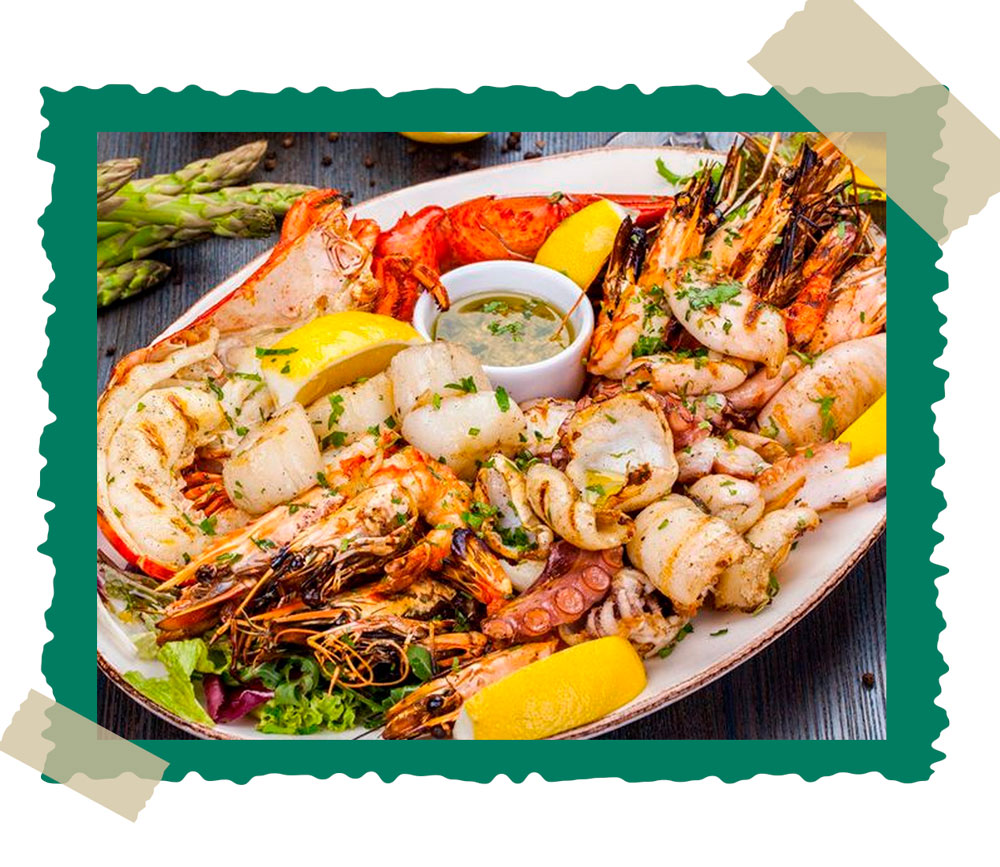
For food lovers, Morocco is nothing short of a paradise. The country’s unique geographical position means that it enjoys access to an incredible variety of fresh fish and seafood, caught daily from both the Atlantic and Mediterranean waters. Sardines, sea bass, mackerel, tuna, and even octopus and calamari fill the markets, offering flavors that are impossible to replicate anywhere else.
What sets Moroccan seafood apart is not just its freshness but the way it’s prepared. Infused with traditional spices, herbs, and marinades, Moroccan fish dishes offer a perfect balance of flavor, aroma, and texture. Imagine biting into a perfectly grilled sardine seasoned with local herbs, or savoring a tender fish tagine slowly cooked with preserved lemons and olives; each dish is a testament to centuries of coastal culinary tradition.
Whether you are a casual traveler or a dedicated foodie, tasting Moroccan seafood is an unforgettable experience. It’s not just about the food on your plate; it’s about the vibrant culture, the bustling markets, and the centuries-old traditions that make every bite truly special.
Iconic Moroccan Fish Dishes You Must Try
Moroccan cuisine turns fresh fish into a feast for the senses, combining vibrant flavors, aromatic spices, and centuries-old traditions. Here are some must-try dishes for any seafood lover visiting Morocco:
- Tagine with Fish: A slow-cooked delight, often made with sea bass or sole, flavored with preserved lemons, olives, and a touch of saffron. Each region adds its own twist, making every tagine a unique experience.
- Grilled Sardines: A coastal classic, especially in Essaouira and Casablanca. Fresh sardines are marinated with local spices and grilled over open flames, served with warm bread and a drizzle of olive oil.
- Fish Pastilla: A sweet-and-savory pastry that surprises the palate. Flaky layers of dough encase spiced fish, almonds, and a hint of cinnamon, perfect for those seeking something truly Moroccan.
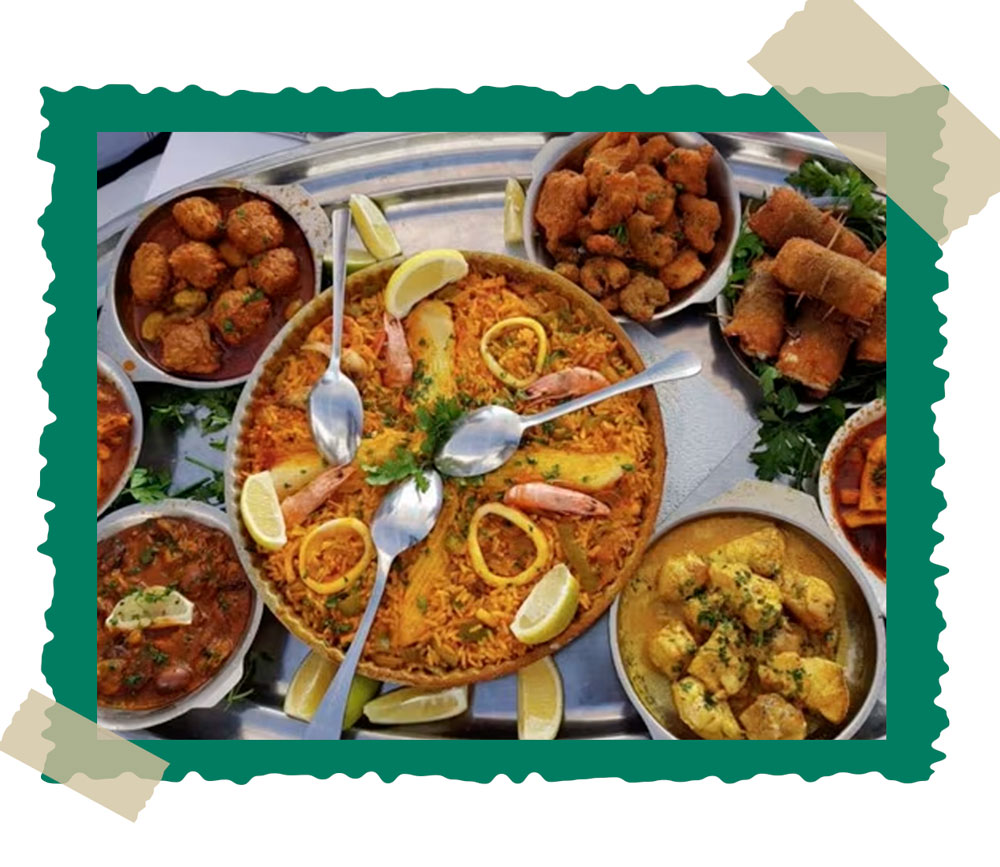
- Seafood Couscous: A celebration of the ocean, combining couscous with a medley of fresh fish, shrimp, and calamari, all lightly spiced and cooked to perfection.
Every dish tells a story of Morocco’s coastal heritage and culinary mastery. Sampling these dishes straight from the markets, seaside restaurants, or even a local’s home allows you to savor the freshest fish while experiencing the heart of Moroccan culture.
Experience a Moroccan Food Adventure!
Join our exclusive food tours and savor the freshest seafood, authentic tagines, and sweet treats straight from local markets. Taste, explore, and experience Morocco as a true foodie, your culinary journey of a lifetime starts here!”
Best Places to Enjoy Fresh Fish in Morocco
Morocco’s coastline is dotted with charming towns, bustling ports, and seaside restaurants that make tasting fresh fish an unforgettable experience. Here’s where to go for the ultimate seafood adventure:
- Essaouira: Known for its vibrant fishing port, Essaouira is famous for freshly grilled sardines served right by the ocean. Wander the harbor, watch the fishermen unload their catch, and pick a local eatery for an authentic taste.
- Agadir: A modern coastal city with sprawling seafood markets and beachfront restaurants. Here, you can enjoy everything from traditional fish tagines to contemporary seafood platters while watching the waves roll in.
- Casablanca: While famous for its urban vibe, Casablanca also offers excellent seafood spots. The Central Market and Corniche area is ideal for sampling fresh fish straight from the Atlantic.
- Tangier: At the crossroads of the Mediterranean and the Atlantic, Tangier offers a unique blend of flavors and fish varieties. Enjoy a fresh seafood feast with a view of the bustling port and the sparkling sea.
Tips for Choosing the Freshest Fish: Look for shiny, clear eyes, firm flesh, and a mild ocean scent. Ask the vendors or chefs about the catch of the day, and they’ll often guide you to the very freshest options.
Whether you prefer street-side stalls, lively markets, or elegant seaside restaurants, Morocco ensures that every seafood experience is both fresh and unforgettable.
Culinary Experiences for Tourists
For travelers who want more than just a meal, Morocco offers immersive culinary experiences that let you connect with its seafood culture firsthand.
Cooking Classes: Join a local chef in coastal towns like Essaouira or Agadir and learn to prepare iconic Moroccan fish dishes, from tangines to pastillas. You’ll not only master new recipes but also gain insight into the spices and techniques that make Moroccan cuisine unique.
Guided Food Tours: Explore bustling fish markets, street stalls, and seaside restaurants with a knowledgeable guide. Taste the freshest catches, hear stories from local fishermen, and discover hidden gems off the beaten path.
Seafood Festivals: Time your visit to coincide with coastal festivals celebrating the sea’s bounty. These events feature cooking demonstrations, tasting sessions, and a chance to experience Morocco’s vibrant seafood traditions alongside locals.
Hands-On Market Visits, Pick your own fish at the market and have it cooked on the spot at nearby stalls or restaurants, a true farm-to-table experience by the sea.
These experiences turn a simple meal into an unforgettable adventure. In Morocco, tasting seafood isn’t just about eating; it’s about immersing yourself in the culture, the people, and the coastal lifestyle that makes Moroccan fish so exceptional.
Tips for Food Lovers Visiting Morocco
To make the most of your seafood journey in Morocco, keep these tips in mind:
- Best Time to Visit – Spring (March to May) and fall (September to November) offer mild weather and abundant fresh catches along the coast.
- Ask for the Catch of the Day: Local restaurants often feature fish caught that very morning. Don’t hesitate to ask the chef for recommendations—you’ll get the freshest and most flavorful options.
- Pair Your Fish with Local Flavors: Moroccan seafood pairs beautifully with local accompaniments like fresh herbs, preserved lemons, olives, and traditional bread. For drinks, try mint tea, fresh orange juice, or a light Moroccan wine where available.
- Market Etiquette: When visiting fish markets, observe local customs. Smile, ask politely, and feel free to sample if offered; it’s part of the experience.
Embrace the Experience – Moroccan seafood is often best enjoyed outdoors, at the seaside, with the sounds of the waves and the bustling harbor around you. Be adventurous, try different dishes, and savor every bite.
With these tips, every meal becomes more than just food—it’s an authentic cultural experience that connects you to Morocco’s coastal heritage.
Conclusion
Morocco is more than just a travel destination; it’s a paradise for seafood lovers. From bustling fishing ports to charming seaside towns, from traditional fish markets to elegant coastal restaurants, the country offers an unforgettable journey from ocean to plate. Every bite of fresh fish tells a story of Morocco’s rich culinary heritage, vibrant culture, and breathtaking coastal landscapes.
So, if you’re a foodie seeking adventure, it’s time to let your taste buds set sail. Embark on a Moroccan culinary journey, savor the freshest fish straight from the sea, and create memories that will last a lifetime. Come taste Morocco, where every meal is a celebration of the ocean!
+212 600 000 000
WowMoroccoTours@gmail.com
The post Taste the Freshest Fish Straight in Morocco for Food Lovers appeared first on Wow Morocco Tours.
]]>
Marrakech Street Food: A Flavorful Journey Through the Red City’s Vibrant Culinary Soul
Few places in the world captivate the senses quite like Marrakech street food. Rich aromas filling the air, sizzling grills, vibrant markets, and centuries-old recipes all blend together to create an unforgettable experience for any traveler. Whether you’re wandering through the buzzing alleys of the Medina or strolling across the iconic Jemaa el-Fna square, the street food scene in Marrakech offers a delicious window into Morocco’s cultural heart.
This guide will take you through everything you need to know about Marrakech street food — what to try, where to find the best dishes, how to eat safely, and why this culinary tradition continues to amaze visitors from around the world. From smoky brochettes and bubbling snails to sweet pastries and refreshing juices, this is your complete, mouthwatering journey into one of Morocco’s greatest treasures.
The Magic of Marrakech Street Food: A Cultural Experience, Not Just a Meal
For Moroccan locals, street food isn’t just about grabbing a quick bite — it’s a celebration of daily life. In Marrakech, food stalls open early, markets buzz with activity, and vendors proudly prepare dishes passed down from generation to generation. Street food here is:
- Affordable
- Freshly cooked
- Rich in flavors and spices
- Deeply rooted in Moroccan traditions
Whether you’re a food lover, a cultural explorer, or a traveler seeking authentic flavors, the world of Marrakech street food will satisfy every craving while immersing you in local life.
Many travelers are surprised by how diverse the street food scene is. You’ll find humble snacks, hearty meals, vegetarian options, and adventurous bites. And everything is made on the spot — the freshness and aroma alone are enough to pull you in.

Where to Find the Best Street Food in Marrakech
While street food can be found all around the city, a few places stand out as must-visits for any food-focused traveler.
1. Jemaa el-Fna Square
The heart of Marrakech’s culinary scene. At night, the square transforms into a massive open-air food court, full of smoke, sound, laughter, and irresistible aromas. Long-tail keyword: best street food in Marrakech at night.
Here you’ll find:
- Grills serving brochettes (meat skewers)
- Freshly cooked tagines
- Spicy harira soup
- Moroccan salads
- Fresh juice stands
- Traditional Moroccan desserts
It’s chaotic, energetic, and unforgettable — a true highlight for anyone tasting Marrakech street food for the first time.
2. The Medina (Old City)
The narrow streets hide countless small food stalls known only to locals. These places serve some of the most authentic dishes you’ll find anywhere in Morocco. From msemen cooked on the spot to slow-cooked meat sandwiches, the Medina offers a more intimate and local experience compared to Jemaa el-Fna.
3. Gueliz District
While more modern, Gueliz has excellent street-style food stands serving Moroccan fusion snacks, grilled treats, and fresh pastries. It’s ideal for travelers who want local flavors in a more relaxed environment.

The Must-Try Marrakech Street Food Dishes
Moroccan cuisine is famous for its bold flavors, aromatic spices, and perfect balance of sweet and savory. Here are the top dishes you simply can’t miss.
1. Msemen — Moroccan Square Pancakes
Crispy on the outside and soft inside, msemen is one of the city’s most popular street foods. Vendors prepare it fresh on hot plates, usually served with:
- Honey
- Butter
- Cheese
- Nutella (a modern twist)
Perfect for breakfast or an afternoon snack.
2. Harira — The Iconic Moroccan Soup
A comforting, flavorful soup made with:
- Tomatoes
- Chickpeas
- Lentils
- Fresh herbs
- Vermicelli
Harira is often enjoyed with dates and chebakia (a honey-based pastry). It’s especially popular during Ramadan but available year-round at street food stalls.
3. Brochettes — Moroccan Grilled Meat Skewers
One of the stars of Marrakech street food, brochettes offer smoky, tender bites of:
- Beef
- Lamb
- Chicken
- Liver
Served with fresh bread, spicy sauces, and grilled vegetables, they’re an absolute must-try.
4. Snails in Spiced Broth (Babbouche)
For adventurous food lovers, babbouche is a signature Moroccan street delicacy. Snails are simmered in a flavorful broth infused with:
- Anise
- Cinnamon
- Thyme
- Peppermint
The broth itself is so tasty that many locals drink it for its digestive benefits.
5. Moroccan Sandwiches (Tanjia, Kefta, or Camel Meat)
Street vendors specialize in hearty sandwiches filled with slow-cooked meats, onions, spices, and fresh herbs. The most famous option is tanjia, a Marrakech specialty slowly cooked in clay jars.
Long-tail keyword: authentic Moroccan street food dishes.
6. Sfenj — Moroccan Donuts
Light, airy, and fried to golden perfection, sfenj is the Moroccan version of a donut, typically dusted with sugar. A popular breakfast treat or anytime snack.
7. Fresh Juices
From orange to pomegranate, Marrakech’s juice stands offer some of the freshest drinks you’ll ever taste. They’re perfect after a long walk in the Medina or a hot afternoon in Jemaa el-Fna.
8. Moroccan Mint Tea
Although not technically street food, mint tea is served everywhere — and sipping it in a busy market is one of the city’s great pleasures.

Plan Your Marrakech Food Adventure
If you’re planning a trip and want to explore Moroccan cuisine with expert guidance, now is the perfect time to start preparing. Whether it’s tasting authentic dishes, discovering hidden food corners, or exploring markets, Marrakech promises a culinary journey like no other.
Vegetarian-Friendly Marrakech Street Food Options
Many visitors worry about finding vegetarian street food in Marrakech, but there are plenty of delicious choices. Look out for:
- Vegetarian msemen
- Moroccan salads
- Lentil and bean stews
- Harrira (vegetarian version)
- Roasted corn
- Fresh fruit juices
- Sfenj
You can enjoy the essence of Marrakech street food even without meat.
Tips for Enjoying Marrakech Street Food Safely
Moroccan street food is generally safe, but here are a few guidelines to ensure the best experience:
✔ Choose Busy Stalls
High turnover means the food is fresh.
✔ Watch the Cooking
Street vendors cook right in front of you — a great sign of cleanliness and transparency.
✔ Drink Bottled Water
Even locals prefer bottled water from shops.
✔ Avoid Raw Foods
Opt for cooked dishes, especially if you have a sensitive stomach.
✔ Ask for Recommendations
Locals know the best spots — don’t hesitate to ask!

Why Marrakech Street Food is a Foodie’s Dream
The unique thing about Marrakech street food is the combination of:
- Fresh ingredients
- Bold spices
- Culinary traditions
- Live preparation
- Family recipes passed down through generations
You’re not just eating — you’re experiencing a culture, a history, and a way of life.
Whether you’re wandering old souks or enjoying the vibrant nightlife of Jemaa el-Fna, every bite tells a story. This makes Marrakech one of the best destinations in the world for food lovers seeking authenticity and adventure.
Conclusion: Discover the Delicious World of Marrakech Street Food
Marrakech street food is more than just a quick meal — it’s a doorway into the heart of Moroccan culture. From sizzling brochettes to steaming bowls of harira and irresistible pastries, every dish reflects the rich traditions and vibrant spirit of the Red City. Whether you’re a first-time visitor or a returning traveler, exploring street food in Marrakech is an experience you’ll never forget.
Come hungry, follow your senses, and dive into the incredible flavors that make Marrakech one of the world’s most captivating food destinations.
+212 600 000 000
WowMoroccoTours@gmail.com
The post Marrakech Street Food: A Flavorful Journey Through the Red City’s Vibrant Culinary Soul appeared first on Wow Morocco Tours.
]]>
The Rise of Moroccan Fusion Cuisine: Tradition Meets Modernity
Moroccan cuisine has long been celebrated for its vibrant flavors, aromatic spices, and centuries-old culinary traditions. From the tagines of Marrakech to the couscous dishes of Fes, Moroccan food is a rich tapestry of Berber, Arab, and Mediterranean influences, each dish telling a story of history and culture.
In recent years, a new trend has emerged that is redefining how people experience Moroccan food: Moroccan fusion cuisine. This innovative approach blends traditional Moroccan ingredients—like saffron, preserved lemons, argan oil, and spices—with global cooking techniques and flavors from around the world. The result is dishes that honor the country’s culinary heritage while offering fresh, modern interpretations that surprise and delight the palate.
Today, Moroccan fusion cuisine can be found in high-end restaurants, trendy cafes, and even home kitchens, reflecting a growing appetite for creativity and experimentation. It represents a perfect balance between tradition and modernity, appealing to both locals and international food lovers.
Traditional Moroccan Flavors and Techniques
At the heart of Moroccan fusion cuisine lies a deep respect for traditional flavors and cooking techniques. Moroccan food is famous for its bold and aromatic spices, which form the foundation of many classic dishes. Ingredients like cumin, paprika, cinnamon, saffron, ginger, and turmeric are carefully combined with fresh herbs such as cilantro, parsley, and mint to create layers of complex flavors.
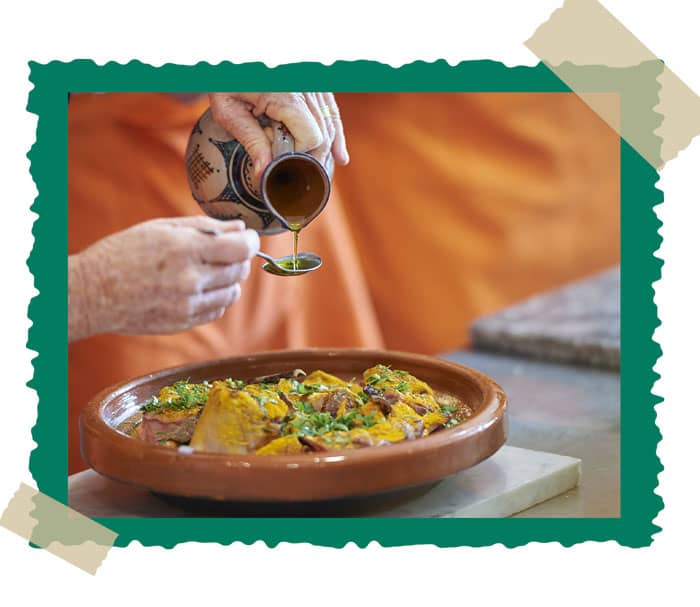
Staple ingredients also include preserved lemons, olives, dates, almonds, and argan oil. These ingredients not only add unique tastes but also carry centuries of culinary tradition. For instance, preserved lemons lend a tangy brightness to slow-cooked tagines, while argan oil adds a nutty richness to both savory dishes and desserts.
Traditional Moroccan cooking techniques are equally important. Slow cooking in clay tagines, open-fire roasting, and steaming couscous are methods designed to maximize flavor and texture. The careful balance of heat, time, and seasoning in these techniques is what gives Moroccan dishes their signature depth and aroma.
Understanding these foundational flavors and techniques is essential for anyone exploring Moroccan fusion cuisine. Modern chefs and home cooks alike draw inspiration from these traditions, reimagining them in contemporary dishes that appeal to new tastes while preserving the soul of Moroccan cooking.
Influences Driving Moroccan Fusion
The rise of Moroccan fusion cuisine is not happening in isolation—it is shaped by a combination of historical, cultural, and modern influences that converge to create a truly global culinary movement. Understanding these factors helps explain why traditional Moroccan dishes are evolving in exciting and innovative ways.
1. Global Culinary Trends
In the past decade, the global appetite for fusion cuisine has grown exponentially. International flavors and cooking techniques are now celebrated worldwide, inspiring Moroccan chefs to experiment beyond their traditional repertoire. For instance, Asian ingredients like soy sauce, miso, or lemongrass are now being paired with classic Moroccan spices to create unexpected flavor profiles. Similarly, European techniques, such as sous-vide cooking or delicate pastry work, are being applied to Moroccan classics like lamb tagine or almond-based desserts.
2. Influence of Tourism
Morocco is a top destination for travelers seeking rich cultural experiences, and its cuisine plays a central role in this attraction. Tourists from Europe, North America, and Asia often seek familiar elements in local food while still wanting an authentic Moroccan experience. This demand has encouraged chefs to innovate, introducing Moroccan fusion dishes that balance the comfort of global flavors with the exotic appeal of local spices. For example, a Moroccan-inspired pizza topped with merguez sausage and preserved lemon is designed to delight international palates while staying true to Moroccan roots.
3. Moroccan Diaspora and Cross-Cultural Exposure
Moroccans living abroad have become ambassadors for their cuisine, experimenting with local ingredients and modern cooking styles in their adopted countries. These experiences often lead to creative reinterpretations of traditional recipes, which are then reintroduced back in Morocco. Think of couscous bowls with quinoa and roasted vegetables, or pastilla-inspired tacos—dishes that blend Moroccan ingredients with global formats.
4. Local Culinary Innovation and Young Chefs
A new generation of Moroccan chefs is pushing boundaries by attending international culinary schools and working in world-class kitchens abroad. They return home with a desire to honor traditional flavors while exploring global trends. Restaurants in Marrakech, Casablanca, and Rabat now offer tasting menus where saffron, cinnamon, and preserved lemons are paired with foie gras, truffle, or miso, exemplifying the fusion of Moroccan heritage and contemporary techniques.
5. Ingredient Availability and Experimentation
Modern Moroccan markets are more connected than ever. Ingredients that were once rare, like exotic mushrooms, artisanal cheeses, or imported seafood, are now widely available. This accessibility allows chefs to experiment, combining traditional Moroccan elements with international ingredients, creating bold dishes that surprise and delight diners.
In essence, Moroccan fusion cuisine thrives at the intersection of history, global trends, tourism, and innovation. It is a dynamic culinary movement, continuously evolving while staying deeply rooted in Morocco’s rich gastronomic heritage.
Notable Moroccan Fusion Dishes
Moroccan fusion cuisine is not just a concept—it comes alive in the inventive dishes being served in restaurants, cafes, and even home kitchens across Morocco. Chefs are reimagining traditional recipes, blending Moroccan spices and ingredients with global techniques, creating a culinary experience that is both familiar and surprising.
1. Modern Twists on Classic Dishes
-
Tagine Tacos: Traditional slow-cooked lamb or chicken tagine, seasoned with saffron, cinnamon, and preserved lemons, is served in a soft tortilla with fresh herbs and a zesty sauce. This dish combines Moroccan depth of flavor with the casual appeal of Mexican street food.
-
Couscous Salad Bowls: Classic couscous is paired with superfoods like quinoa, roasted seasonal vegetables, and international dressings such as tahini or miso vinaigrette. This reinvention appeals to health-conscious diners while preserving Moroccan aromatics.
-
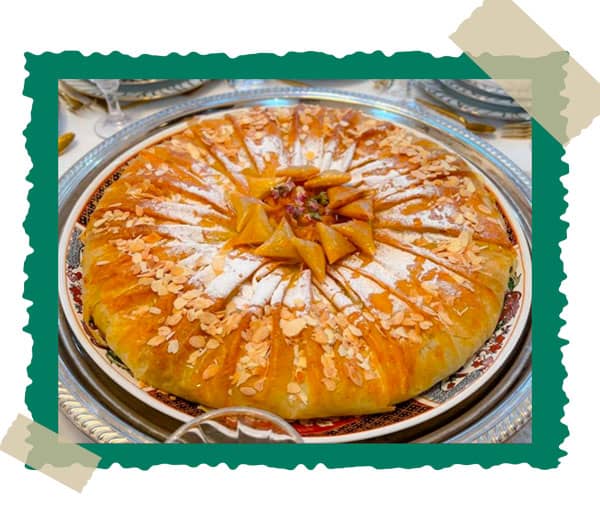
Pastilla-Inspired Appetizers: Mini pastillas, traditionally a sweet-and-savory pigeon pie, are now served as bite-sized hors d’oeuvres with fillings like smoked salmon, cream cheese, or truffle, offering a contemporary take on a classic dessert-savory hybrid.
2. Moroccan-Flavored International Dishes
-
Moroccan-Spiced Burgers: Ground lamb or beef seasoned with ras el hanout and served with preserved lemon aioli, combining Moroccan spices with the globally loved burger format.
-
Pizza with a Moroccan Twist: Thin-crust pizza topped with merguez sausage, olives, roasted peppers, and a sprinkle of coriander, blending Mediterranean flavors with Italian techniques.
-
Sushi and Moroccan Flavors: Chefs have experimented with sushi rolls featuring preserved lemon, roasted eggplant, or Moroccan-spiced seafood, merging Japanese precision with Moroccan boldness.
3. Dessert Innovations
-
Argan Oil Chocolate Truffles: Traditional Moroccan argan oil is used in rich chocolate truffles, giving a nutty twist to a universally loved dessert.
-
Date and Almond Cheesecakes: Classic Moroccan ingredients like dates, almonds, and orange blossom water are incorporated into Western-style desserts, creating elegant fusion sweets.
-
Spiced Moroccan Ice Creams: Flavors such as saffron, rose, or cinnamon are infused into gelato or sorbet, offering a refreshing modern take on Moroccan taste profiles.
4. Leading Restaurants and Chefs
-
Marrakech’s Modern Fine Dining: Restaurants like Nomad and Al Fassia have gained international recognition for their innovative approaches, blending traditional recipes with global culinary techniques.
-
Casablanca’s Fusion Cafes: Cafes and bistros in Casablanca offer Moroccan-inspired brunches, desserts, and tapas, often using fusion as a way to attract younger, trend-focused diners.
-
Home Chefs and Culinary Influencers: Social media has played a major role, with Moroccan chefs sharing fusion recipes online, inspiring home cooks to experiment with Moroccan flavors in new formats.
These dishes exemplify the creativity, boldness, and versatility of Moroccan fusion cuisine. They demonstrate how traditional flavors can be reimagined while maintaining authenticity, appealing to both local and international palates.
Discover the Magic of Moroccan Fusion Cuisine!
Discover the magic of Moroccan fusion cuisine, where tradition meets modern creativity in every bite. From experimenting with spices and preserved lemons at home to dining in Morocco’s most innovative restaurants, there’s a world of flavor waiting to be explored. Follow local chefs, get inspired, and start your Moroccan culinary journey today!
The Role of Social Media and Culinary Shows
The rise of Moroccan fusion cuisine has been greatly amplified by the power of social media and culinary television. Platforms like Instagram, TikTok, and YouTube allow chefs and food enthusiasts to showcase visually stunning dishes to a global audience, creating both inspiration and demand for innovative Moroccan flavors.
1. Social Media Influence
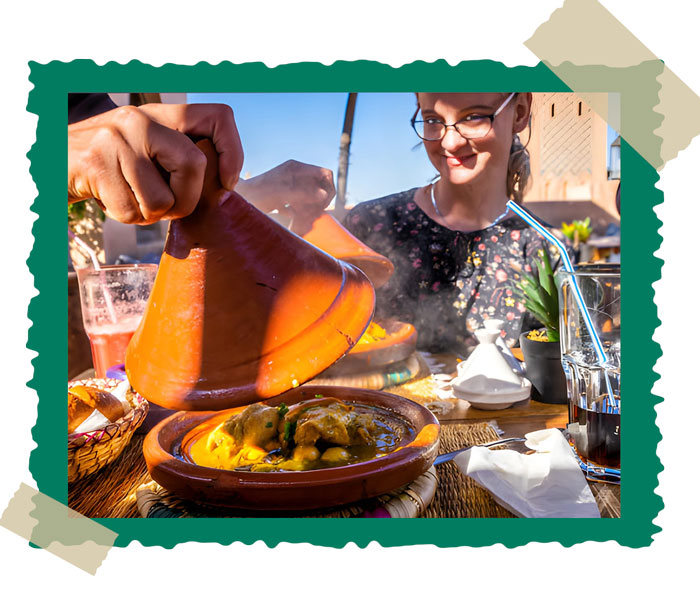
Food photography and short video content have made Moroccan fusion dishes instantly shareable. Vibrant tagine tacos, couscous salads with exotic twists, and Moroccan-inspired desserts are often featured with hashtags like #MoroccanFusion or #ModernMoroccanCuisine. This exposure not only attracts tourists but also inspires local chefs to experiment with traditional dishes in visually striking ways. Social media acts as a bridge between Morocco’s culinary heritage and contemporary global trends, making fusion cuisine more accessible than ever.
2. Culinary Shows and International Recognition
Television programs and streaming platforms have played a significant role in showcasing Moroccan fusion to a broader audience. Shows featuring international chefs visiting Morocco, or Moroccan chefs competing on global platforms, highlight the country’s evolving culinary scene. Dishes like Moroccan-spiced sushi or argan-oil desserts often become talking points, encouraging viewers to try or replicate them at home.
3. Impact on Restaurants and Food Tourism
Restaurants are now designing dishes not only for taste but also for presentation, knowing that a visually appealing Moroccan fusion dish can go viral online. This has created a new niche within Morocco’s food tourism industry, attracting travelers eager to experience modern interpretations of traditional cuisine. Food bloggers and influencers often feature fusion dishes, boosting the profiles of both chefs and the restaurants they represent.
4. Inspiring Home Cooks
Social media also empowers home cooks to explore Moroccan fusion cuisine themselves. Recipes for Moroccan-inspired tacos, pizzas, and desserts are widely shared, encouraging experimentation with local ingredients. This trend fosters a culture of creativity that extends Moroccan culinary traditions into everyday life.
Through social media and culinary shows, Moroccan fusion cuisine has evolved from niche experimentation into a widely celebrated movement. It connects tradition with modernity, local flavors with international trends, and chefs with a global audience eager to discover the magic of Moroccan cooking.
Challenges in Moroccan Fusion Cuisine
While Moroccan fusion cuisine is celebrated for its creativity and global appeal, it also faces several challenges that chefs and culinary innovators must navigate. Balancing tradition with modernity is a delicate process, and the journey is not always straightforward.
1. Maintaining Authenticity vs. Innovation
One of the main challenges is preserving the essence of traditional Moroccan dishes while introducing new flavors or techniques. Some chefs struggle with how much they can experiment without losing the authenticity that makes Moroccan cuisine unique. For example, over-spicing a delicate tagine or radically altering a classic pastry can risk alienating diners who expect the original flavors.
2. Ingredient Availability
Fusion dishes often require international or specialty ingredients that may not be easily accessible in Morocco, particularly outside major cities. Imported items like artisanal cheeses, exotic herbs, or certain seafood may be expensive or seasonal, making it challenging for restaurants to maintain consistency in their fusion offerings.
3. Criticism from Culinary Purists
Traditionalists sometimes view Moroccan fusion cuisine with skepticism, arguing that the experimentation dilutes Morocco’s rich culinary heritage. Chefs must navigate this tension, balancing respect for historical recipes with the desire to innovate.
4. Meeting Global Palates
Moroccan flavors are bold and complex, which may not always align with international taste preferences. Fusion chefs must carefully adapt dishes so they appeal to global diners without compromising the signature Moroccan taste. For instance, reducing the intensity of spices to suit Western palates can sometimes diminish the authentic experience.
5. Maintaining a Consistent Brand
Restaurants focusing on Moroccan fusion cuisine must also build a cohesive identity that resonates with their audience. It’s a challenge to offer a menu that is both adventurous and approachable, particularly when presenting classic dishes in modern formats.
Despite these challenges, the growing popularity of Moroccan fusion cuisine shows that innovation, when balanced with respect for tradition, can thrive. Chefs who successfully navigate these obstacles are helping to redefine Morocco’s culinary identity on the global stage.
The Future of Moroccan Fusion Cuisine
The future of Moroccan fusion cuisine looks vibrant and full of potential, as chefs, home cooks, and food enthusiasts continue to explore innovative ways to combine tradition with global culinary trends.
1. Trends in Fine Dining and Casual Eats
High-end restaurants are increasingly experimenting with tasting menus that showcase Moroccan flavors in unexpected formats, such as saffron-infused risottos or tagine-inspired amuse-bouches. At the same time, casual dining and street food vendors are introducing fusion dishes like Moroccan-spiced wraps, flatbreads, and bowls, making this cuisine accessible to a broader audience.
2. International Expansion
Moroccan fusion cuisine is gaining recognition beyond Morocco’s borders. International chefs and Moroccan diaspora communities are introducing fusion dishes in cities like London, Paris, New York, and Dubai, increasing global awareness of Morocco’s culinary creativity. This trend may lead to Moroccan fusion being featured in international food festivals, culinary awards, and gourmet cookbooks.
3. Culinary Education and Innovation
Culinary schools in Morocco and abroad are incorporating fusion techniques and modern Moroccan recipes into their programs. This encourages young chefs to experiment responsibly, blending local ingredients with global techniques while respecting the essence of Moroccan gastronomy.
4. Sustainability and Local Sourcing
Future Moroccan fusion cuisine may also focus on sustainability, highlighting locally sourced and seasonal ingredients. Chefs are increasingly interested in promoting Moroccan produce, spices, and oils in creative ways that reduce waste and support local farmers, all while maintaining bold, fusion-forward flavors.
5. Digital Influence and Home Cooking
Social media, blogs, and cooking apps will continue to democratize fusion cuisine, allowing home cooks to experiment with Moroccan flavors. This will help Moroccan fusion evolve organically, with ideas flowing between professional kitchens and home tables.
In essence, the future of Moroccan fusion cuisine is a blend of innovation, tradition, and global influence. It is poised to expand internationally, inspire new culinary techniques, and continue evolving as chefs push the boundaries of flavor while celebrating Morocco’s rich gastronomic heritage.
Conclusion
Moroccan fusion cuisine represents a remarkable journey of culinary evolution, where centuries-old traditions meet modern creativity. By blending classic Moroccan ingredients—like saffron, preserved lemons, and argan oil—with international techniques and flavors, chefs are crafting dishes that honor the past while appealing to contemporary palates.
This fusion movement is more than just food; it’s a cultural dialogue. It bridges Morocco’s rich culinary heritage with global trends, reflecting the country’s openness, adaptability, and innovation. From high-end restaurants in Marrakech to home kitchens experimenting with Moroccan-inspired tacos or desserts, fusion cuisine is making Moroccan flavors more accessible, exciting, and internationally recognized.
As the world becomes increasingly connected, the possibilities for Moroccan fusion cuisine are endless. It is a celebration of creativity, tradition, and global culinary exploration—proving that Moroccan food can evolve while staying true to its roots. For anyone interested in flavors that are bold, aromatic, and endlessly inventive, Moroccan fusion cuisine offers a journey worth tasting.
+212 600 000 000
WowMoroccoTours@gmail.com
The post The Rise of Moroccan Fusion Cuisine: Tradition Meets Modernity appeared first on Wow Morocco Tours.
]]>
Moroccan Breakfasts: A Delicious Start to Every Day
Breakfast in Morocco is more than just the first meal of the day—it’s a celebration of flavors, colors, and culture. From the bustling streets of Marrakech to the serene villages of the Atlas Mountains, Moroccans take pride in starting their day with a breakfast that balances sweet, savory, and aromatic elements.
Unlike some cultures where breakfast is quick and simple, Moroccan breakfasts are often leisurely affairs, offering a chance to gather with family, enjoy freshly baked breads, and sip on the country’s famous mint tea. Whether it’s a flaky msemmen stuffed with honey, a soft khobz dipped in olive oil, or a steaming cup of Moroccan coffee, each bite tells a story of tradition and culinary artistry.
For travelers, tasting Moroccan breakfasts is a window into the country’s soul—every dish reflects centuries of history, regional diversity, and the warm hospitality Morocco is known for.
Traditional Moroccan Breakfast Staples
Moroccan breakfasts are centered around a few key staples that vary slightly by region but share common flavors and textures. These dishes are often simple, fresh, and designed to be shared with family or friends.
1. Bread Varieties
Bread is the cornerstone of any Moroccan breakfast, and there’s incredible variety:
-
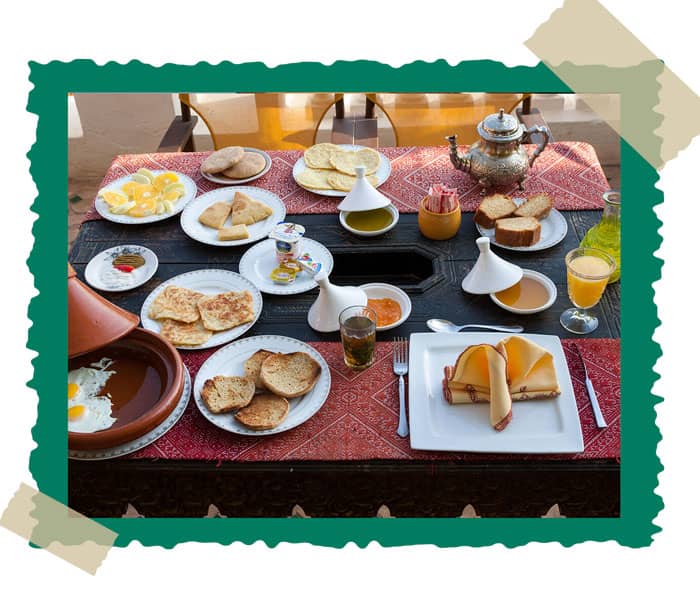
Khobz – A round, rustic loaf with a slightly crisp crust and soft interior, perfect for dipping in olive oil, honey, or jams.
-
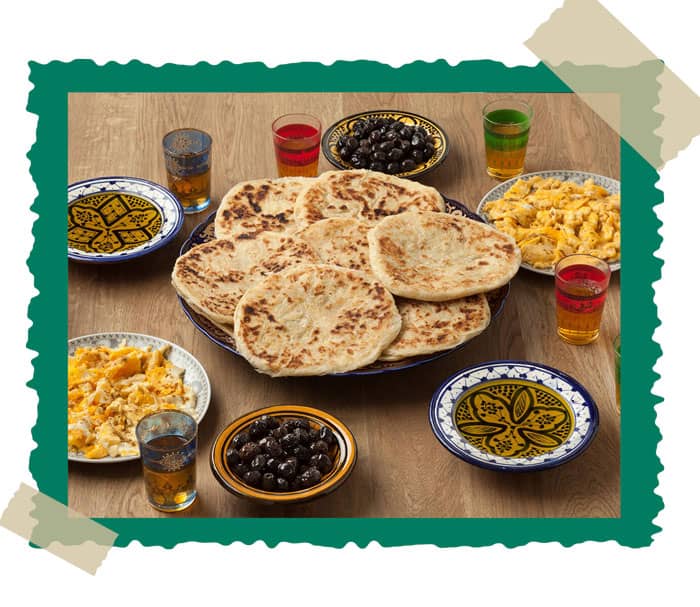
Msemmen – Square, flaky pancakes, often layered and pan-fried. Served plain, stuffed with honey or butter, or even with a bit of cheese.
-
Baghrir – Also known as “thousand-hole pancakes,” these spongy pancakes are light, airy, and ideal for soaking up butter and honey.
2. Dairy and Spreads
Moroccan breakfasts are often paired with rich, flavorful spreads:
-
Amlou – A unique Moroccan spread made from almonds, argan oil, and honey, providing a nutty and sweet flavor.
-
Jben – Fresh Moroccan cheese, mild and creamy, often served alongside olives and bread.
-
Butter and honey – Essential accompaniments for bread and pancakes.
3. Olives and Preserves
Olives are a staple of Moroccan cuisine, adding salty richness to breakfast:
-
Green and black olives, often marinated with spices and herbs.
-
Preserves and jams made from local fruits, offering sweet balance to savory items.
4. Egg Dishes
Eggs are common, but often with a Moroccan twist:
-
Bissara – A creamy fava bean puree that may be enjoyed in the morning, sometimes served with a poached egg on top.
-
Spiced or scrambled eggs – Often cooked with herbs, garlic, and sometimes preserved meats like khlea.
-
Regional variations may include eggs baked with tomatoes, peppers, or onions.
Tip for travelers: Moroccan breakfasts are highly customizable, and locals often encourage visitors to try a little of everything—from bread and spreads to olives and eggs—to experience the full range of flavors.
Beverages to Start the Day
A Moroccan breakfast isn’t complete without the drinks that accompany it. Beverages are essential not only for flavor but also for social interaction and tradition.
1. Traditional Moroccan Tea
-
Moroccan Mint Tea (Atay): The quintessential morning drink, made from green tea, fresh mint leaves, and generous sugar.
-
Preparation and Ritual: Tea is often poured from a height to create a frothy top, symbolizing hospitality. It’s a ritual that encourages slowing down, savoring the moment, and connecting with others.
-
Cultural Significance: Mint tea is more than a beverage—it’s a symbol of Moroccan warmth and welcome, served in homes, cafés, and even during street-side breakfasts.
2. Coffee and Other Morning Drinks
-
Spiced Coffee: Often infused with cinnamon or cardamom, Moroccan coffee offers a richer, aromatic alternative to plain espresso.
-
Café au Lait: Popular in urban areas, often served alongside pastries or bread.
-
Fresh Juices: Locally squeezed orange juice is a morning favorite, especially in coastal regions where citrus is abundant. Other fruits like pomegranate and melon may also be offered seasonally.
Tips for Travelers:
-
Try pairing moroccan mint tea with a flaky msemmen or a slice of khobz for the authentic morning experience.
-
Street cafés and riads often allow visitors to watch tea preparation, providing a cultural immersion along with the flavors.
Regional Variations in Breakfast
Moroccan breakfasts are not one-size-fits-all. Each region offers its own unique twist, influenced by geography, climate, and local ingredients. Traveling through Morocco is like taking a culinary journey, where each morning promises a new combination of flavors, textures, and aromas.
1. Northern Morocco
Regions: Tangier, Chefchaouen, Tetouan
Characteristics: Hearty yet fresh, blending Mediterranean flavors with traditional Moroccan staples.
Typical Breakfast Items:
-
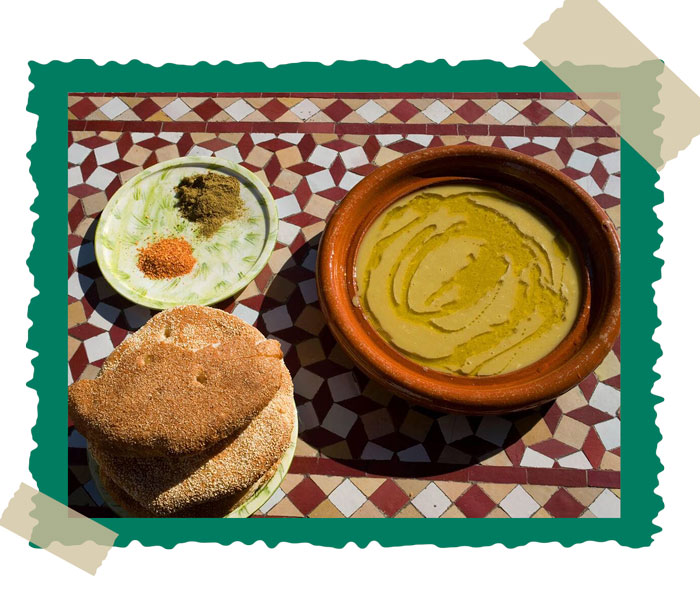
Bissara (Fava Bean Puree): Traditionally the first breakfast item in northern Morocco, bissara is a warm, creamy fava bean soup, often drizzled with olive oil and sprinkled with paprika or cumin. It provides a nourishing start to the day, especially in the cooler mornings of the north.
-
Bread (Khobz): Served alongside bissara, this slightly sweet and soft bread is perfect for dipping and scooping the puree.
-
Seafood Influences: In coastal towns like Tangier, breakfasts may include smoked fish or small seafood pastries, adding a local coastal twist.
-
Fresh Fruits: Seasonal fruits such as oranges, pomegranates, and figs are enjoyed either as slices or pressed into fresh juice, reflecting the region’s Mediterranean climate.
-
Local Teas: Mint tea remains central, often sweeter than in other regions and sometimes infused with local herbs like wormwood or thyme.
Cultural Note: Northern breakfasts are balanced to provide energy for outdoor labor, such as fishing, farming, or market visits. Starting with bissara ensures a hearty yet light beginning, while fresh fruits and bread complement the meal without feeling heavy.
🍴 Experience the Magic of Moroccan Breakfasts!
Discover the best cafés, riads, and street breakfasts across the country—or bring the flavors home with msemmen, baghrir, and amlou. Tried a Moroccan breakfast? Share your favorite dish in the comments!
Don’t miss out on the flavors of Morocco—your perfect morning starts here!
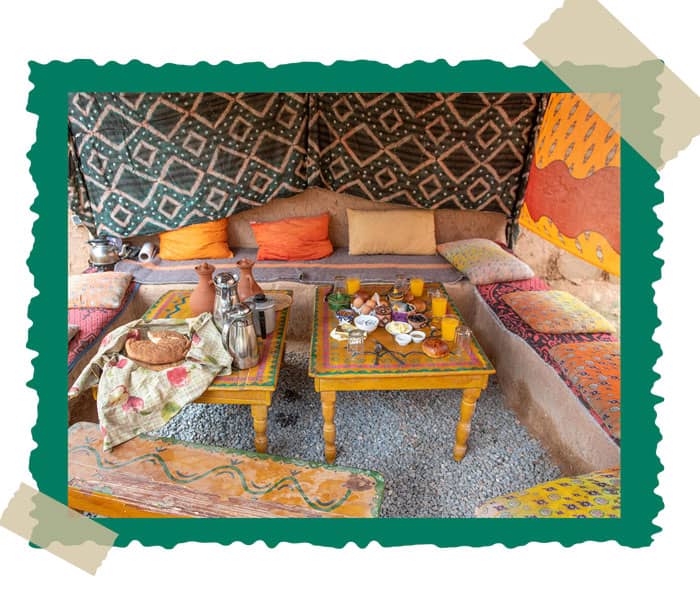
2. Atlas Mountains
Regions: Middle and High Atlas (Imlil, Azilal, Oukaimeden)
Characteristics: Hearty, rustic, and nutrient-dense, designed to sustain mountain work and chilly mornings.
Typical Breakfast Items:
-
Amlou and Msemmen: Thick almond and argan oil spread on layered pancakes, providing high energy for cold mornings.
-
Bissara: A thick fava bean puree, spiced with paprika and cumin, often eaten with a drizzle of olive oil and a slice of rustic bread.
-
Fresh mountain cheeses: Homemade cow or goat cheese, slightly tangy, paired with bread or honey.
-
Herbal teas: Made from local mountain herbs such as thyme, sage, or verbena, giving a fragrant start to the day.
Cultural Note: Breakfasts here are social events; families gather early to share a substantial meal before heading out to tend livestock or work the terraces. The food is hearty, designed to keep the body warm and energized for outdoor tasks.
3. Southern Morocco and the Sahara
Regions: Marrakech, Ouarzazate, Zagora, Merzouga
Characteristics: Sweet, rich, and high-energy, reflecting the desert climate and long days ahead.
Typical Breakfast Items:
-
Dates and nuts: Packed with natural sugars and protein, often paired with bread or honey for sustained energy.
-
Sweet pastries: Local treats like chebakia (sesame and honey cookies) or almond-stuffed pastries are common.
-
Khlea with eggs: Preserved meat sautéed with eggs provides a protein-rich start to the day.
-
Beverages: Mint tea remains central, often accompanied by freshly squeezed orange juice, sometimes blended with local pomegranate or grapefruit.
Cultural Note: In desert areas, breakfasts are designed to energize before long walks, camel rides, or work in extreme heat. Sweet and protein-rich items balance energy needs with local tastes.
4. Urban vs. Rural Differences
Urban Areas: Cafés, hotels, and modern bakeries in Marrakech, Rabat, or Casablanca may offer fusion breakfasts—Moroccan-style shakshuka, pancakes with argan honey, or continental spreads alongside traditional breads. The presentation is often elaborate, catering to tourists and city dwellers.
Rural Areas: Villages and Berber homes focus on simplicity and authenticity: freshly baked bread from communal ovens, homemade cheese, seasonal fruits, and herbal teas. Meals are hearty but unpretentious, highlighting local produce.
Cultural Insight: Experiencing a rural breakfast offers a glimpse into Moroccan daily life—guests may be invited into a family home, taste freshly baked bread straight from the oven, and learn recipes passed down for generations.
Travel Tip: To truly understand Moroccan breakfasts, try both urban and rural experiences. Start with a café in Marrakech for ambiance, then venture to a village in the Atlas or Sahara for an authentic, home-cooked morning feast. The contrast highlights Morocco’s incredible culinary diversity.
Modern Twists on Moroccan Breakfasts
While traditional Moroccan breakfasts remain the heart of the cuisine, contemporary chefs and cafés have begun experimenting, creating exciting modern variations that merge tradition with global flavors. These innovations appeal to locals, tourists, and food enthusiasts looking for a fresh morning experience.
1. Moroccan Fusion Breakfasts in Cafés
-
Shakshuka with a Moroccan Twist: Traditionally a North African dish, some cafés now serve shakshuka with added Moroccan spices like ras el hanout, preserved lemons, or merguez sausage.
-
Pancakes and Waffles: Sweet pancakes topped with amlou, honey, and roasted almonds combine international breakfast trends with local flavors.
-
Breakfast Bowls: Inspired by health-conscious trends, these bowls mix Moroccan ingredients such as dates, figs, nuts, and yogurt with granola or fresh fruits.
Cultural Insight: These dishes show how Moroccan cuisine can adapt to modern tastes without losing its essence. They reflect the country’s creativity and openness to culinary fusion.
2. Riads and Boutique Hotels
-
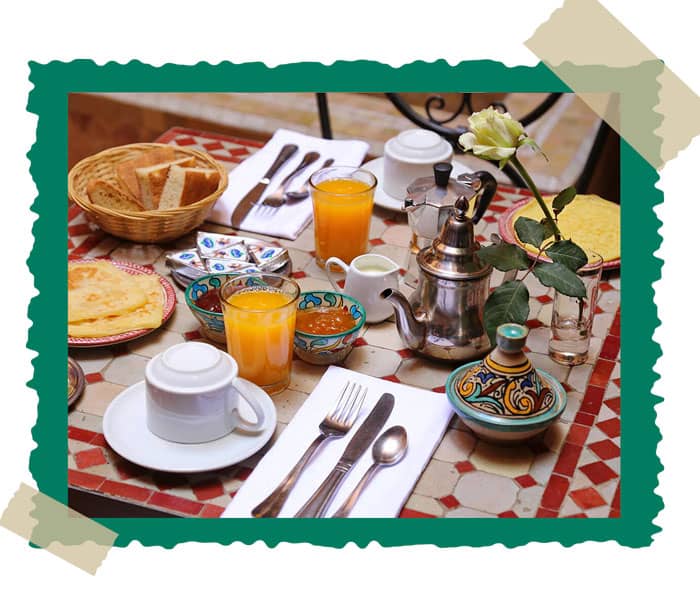
Many riads and boutique hotels in cities like Marrakech, Fes, and Chefchaouen serve breakfast in charming courtyards or terraces, blending traditional breads and spreads with contemporary presentation.
-
Guests may enjoy khobz alongside freshly pressed juices, fruit platters, Moroccan pastries, and artisan teas.
-
Some establishments offer cooking demonstrations, allowing visitors to learn to make msemmen, baghrir, or amlou.
3. Street Food Meets Innovation
-
In busy city streets, modern street vendors sometimes offer creative twists, such as stuffed msemmen with chocolate or cheese, or khobz sandwiches with spiced eggs and vegetables.
-
These options appeal to younger generations and travelers looking for quick yet flavorful breakfasts.
4. Instagram-Worthy Breakfasts
-
Visual presentation is becoming a trend in urban Moroccan cafés.
-
Colorful fruit platters, layered pastries, and frothy mint teas are designed to delight both taste buds and cameras.
-
Even traditional items like baghrir or amlou are served with modern plating and garnishes to create a memorable experience.
Travel Tip:
For travelers, trying modern Moroccan breakfasts is a way to enjoy familiar dishes with a twist while still experiencing authentic flavors. Urban cafés and boutique hotels provide a perfect mix of tradition, innovation, and aesthetics.
Where to Experience Authentic Moroccan Breakfasts
To truly appreciate Moroccan breakfasts, experiencing them in the right setting is key. From bustling streets to serene riads, each location offers a unique flavor of Moroccan morning life.
1. Street Food Breakfasts in the Medinas
-
Where: Fes, Marrakech, Chefchaouen, and Tangier medinas.
-
What to Expect: Small food stalls offering msemmen, baghrir, khobz, and fresh mint tea.
-
Cultural Experience: Eating in a medina is lively and immersive. You can watch breads being freshly baked in wood-fired ovens, interact with local vendors, and enjoy breakfast among locals starting their day.
-
Popular Items: Flaky msemmen with honey, khobz with olive oil and cheese, and mint tea poured from a height to create froth.
2. Traditional Riads and Guesthouses
-
Where: Marrakech, Fes, Essaouira, Chefchaouen.
-
What to Expect: Courtyard or rooftop breakfast settings, often accompanied by stunning views.
-
Breakfast Spread: Freshly baked breads, homemade jams, amlou, cheeses, seasonal fruits, pastries, and mint tea. Some riads also serve eggs or regional specialties.
-
Cultural Experience: Riads provide an intimate and peaceful setting, allowing guests to experience Moroccan hospitality and learn about traditional breakfast preparations.
3. Urban Cafés and Modern Establishments
-
Where: Casablanca, Rabat, Marrakech, and Tangier.
-
What to Expect: Cafés blending traditional Moroccan foods with contemporary breakfast trends.
-
Breakfast Spread: Moroccan fusion shakshuka, pancakes with argan honey, breakfast bowls with dates and nuts, freshly squeezed juices, and artisan coffee.
-
Cultural Experience: These spots are ideal for travelers who want a comfortable, modern breakfast environment while still sampling authentic Moroccan flavors.
4. Hidden Gems and Local Homes
-
Where: Villages in the Atlas Mountains, small towns in southern Morocco.
-
What to Expect: Home-cooked breakfasts with local breads, cheeses, spreads, and herbal teas.
-
Cultural Experience: Visiting a local home offers a rare glimpse into Moroccan daily life. Guests may even participate in bread-making or tea preparation, creating a memorable, hands-on experience.
Travel Tip: To fully experience Moroccan breakfasts, plan to mix street, riad, café, and home-style experiences. Each setting offers different textures, flavors, and cultural insights, making breakfast an unforgettable part of your Moroccan journey.
Conclusion: The Heart of Moroccan Morning Cuisine
Moroccan breakfasts are more than just a meal—they are a reflection of the country’s history, diversity, and vibrant culture. From the flaky msemmen of urban cafés to the hearty bissara in Atlas villages, each breakfast tells a story of local traditions, regional flavors, and centuries of culinary craftsmanship.
Starting your day in Morocco with a traditional breakfast is an invitation to experience the warmth of Moroccan hospitality. The combination of freshly baked breads, rich spreads like amlou, seasonal fruits, flavorful eggs, and the signature mint tea creates a sensory journey unlike any other.
Whether you are wandering the medinas of Fes, sipping tea in a serene riad, or enjoying a modern fusion breakfast in Marrakech, each morning meal offers insight into Moroccan life and a taste of the country’s soul. Exploring Moroccan breakfasts is not just about food—it’s about connecting with people, traditions, and a culture that values the joy of starting each day with flavor and community.
Final Thought: For travelers and food lovers alike, embracing Moroccan breakfasts is an essential part of discovering the heart of Morocco—every bite offers history, culture, and unforgettable taste.
+212 600 000 000
WowMoroccoTours@gmail.com
The post Moroccan Breakfasts: A Delicious Start to Every Day appeared first on Wow Morocco Tours.
]]>
Moroccan Summer Foods: Refreshing Flavors You Must Try
Summer in Morocco brings a bounty of seasonal flavors. From garden-fresh salads to light tagines, chilled drinks, and sweet pastries—moroccan summer foods offer the perfect escape from the heat. As a travel agency, showcasing these dishes can ignite wanderlust and culinary curiosity for travelers planning a summer trip.
Cool & Zesty Moroccan Salads
Tomato-Cucumber Salad & Taktouka
Tomato-cucumber salad is ubiquitous in summer—crisp, refreshing, and lightly spiced. It’s often paired with taktouka, a flavorful mix of roasted tomatoes, bell peppers, garlic, and olive oil, served either chilled or at room temperature
Zaalouk (Eggplant Salad)
Another summer staple: zaalouk, a smoky aubergine and tomato dip, spiced gently and best served with crusty khobz or warm bread. It’s both cooling and satisfying.
Light Tagines & Vegetable Stews
Summer Vegetable Tagine
In the heat of summer, lighter tagines shine. Carrots, zucchini, olives, and dried figs simmer in spices for a savory yet airy stew—refreshing and vibrant over couscous or grains.
Fish Tagine
Coastal regions serve simple fish tagines: seasonal catch gently poached with garlic, herbs, zucchini, and lemon—flavorful but not heavy, ideal for a midday meal on a warm day.
Refreshing Beverages & Light Snacks
Moroccan Mint Tea
A symbol of hospitality and summer refreshment, Moroccan mint tea is served iced or hot, depending on your preference. It’s sweet, minty, and the perfect palate cleanser between flavors.
Sfenj & M’semmen
Popular street snacks: sfenj, the Moroccan donut, served fresh with sugar or honey and mint tea—especially at breakfast or late afternoon.
Similarly, m’semmen, a flaky layered flatbread, complements savory or sweet pairings and offers a satisfying yet light bite.

Seasonal Sweets & Fruits
Krachel & Chebakia
Soft, scented krachel buns—flavored with sesame and anise—are perfect with tea. They’re lightly sweet and aromatic
Although more common in Ramadan, chebakia (honeyed pastries) remain a beloved treat and can still be found in pastry shops around summer.
Fresh Fruits & Juices
Summer in Morocco beams with seasonal fruits—watermelon, figs, apricots, and tomatoes straight from the sun. Street vendors often blend fresh juices with mint or orange blossom water for a cooling beverage experience.
Hearty Staples with a Summer Twist
Couscous & Lamb Tagine
For early summer meals or festival occasions, couscous with lamb tagine (often with vegetables or prunes) is a celebratory and fragrant favorite that remains lighter than winter versions.
Medfouna (Berber Stuffed Bread)
In rural areas or near oases, try medfouna—a Berber-style stuffed flatbread filled with meat, vegetables, and spices, baked over coals for a rustic but satisfying summer snack

Tips for Experiencing Moroccan Summer Foods
-
Sample these dishes early in the day or late afternoon when outdoor food vendors are active.
-
Look for local juice stands or cafés offering freshly pressed watermelon or fig-infused drinks.
-
Try meals at traditional riads or seasonal pop-up kitchens—many highlight summer specialties.
-
Engage locals by asking about their favorite seasonal recipes—many traditions come from family kitchens.
Have a Question or Need Help Planning Your Journey?
We’re here to help you uncover the best of Moroccan culture, history, and adventure. Whether you’re curious about a tour, need custom travel advice, or just want to say hello, our team is ready to assist you.
+212 600 000 000
WowMoroccoTours@gmail.com
The post Moroccan Summer Foods: Refreshing Flavors You Must Try appeared first on Wow Morocco Tours.
]]>