
Taste the Freshest Fish Straight in Morocco for Food Lovers
Morocco’s Coastal Treasure: Where Fresh Fish Comes From
Morocco is a country kissed by the waters of both the Atlantic Ocean and the Mediterranean Sea, giving it one of the richest and most diverse coastlines in Africa. From the bustling fishing ports of Casablanca and Agadir to the charming seaside town of Essaouira, Morocco offers a seafood experience like no other.
Every day, local fishermen set out in traditional boats at dawn, bringing back a bounty of fresh fish that is sold in vibrant markets or served straight in coastal restaurants. Walking through these markets, you’ll be greeted by the smell of the ocean, the sight of glistening sardines, sea bass, mackerel, and tuna, and the lively calls of vendors ready to share their catch of the day.
Whether you’re strolling along the harbor in Tangier or watching the sunset over the waves in Agadir, Morocco’s coasts are more than just scenic; they are living, breathing sources of some of the freshest fish you will ever taste. For food lovers and travelers alike, experiencing Morocco’s coastal treasures is an essential part of any visit.
Why Morocco is a Seafood Lover’s Dream
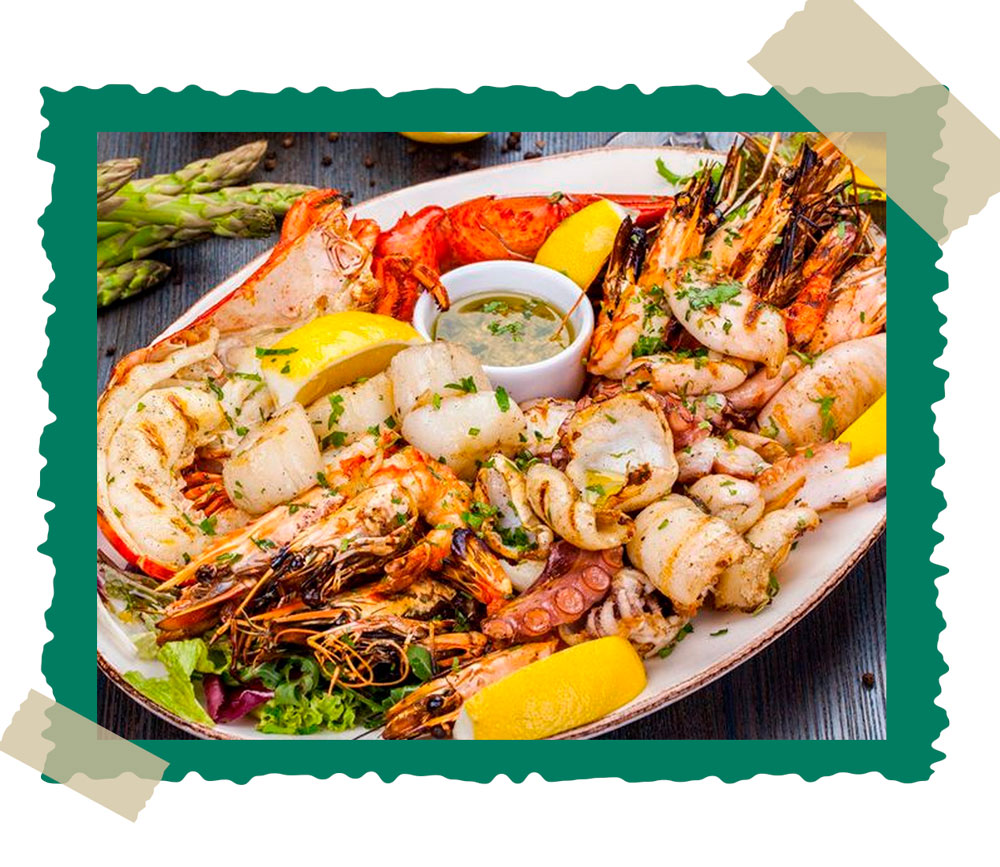
For food lovers, Morocco is nothing short of a paradise. The country’s unique geographical position means that it enjoys access to an incredible variety of fresh fish and seafood, caught daily from both the Atlantic and Mediterranean waters. Sardines, sea bass, mackerel, tuna, and even octopus and calamari fill the markets, offering flavors that are impossible to replicate anywhere else.
What sets Moroccan seafood apart is not just its freshness but the way it’s prepared. Infused with traditional spices, herbs, and marinades, Moroccan fish dishes offer a perfect balance of flavor, aroma, and texture. Imagine biting into a perfectly grilled sardine seasoned with local herbs, or savoring a tender fish tagine slowly cooked with preserved lemons and olives; each dish is a testament to centuries of coastal culinary tradition.
Whether you are a casual traveler or a dedicated foodie, tasting Moroccan seafood is an unforgettable experience. It’s not just about the food on your plate; it’s about the vibrant culture, the bustling markets, and the centuries-old traditions that make every bite truly special.
Iconic Moroccan Fish Dishes You Must Try
Moroccan cuisine turns fresh fish into a feast for the senses, combining vibrant flavors, aromatic spices, and centuries-old traditions. Here are some must-try dishes for any seafood lover visiting Morocco:
- Tagine with Fish: A slow-cooked delight, often made with sea bass or sole, flavored with preserved lemons, olives, and a touch of saffron. Each region adds its own twist, making every tagine a unique experience.
- Grilled Sardines: A coastal classic, especially in Essaouira and Casablanca. Fresh sardines are marinated with local spices and grilled over open flames, served with warm bread and a drizzle of olive oil.
- Fish Pastilla: A sweet-and-savory pastry that surprises the palate. Flaky layers of dough encase spiced fish, almonds, and a hint of cinnamon, perfect for those seeking something truly Moroccan.
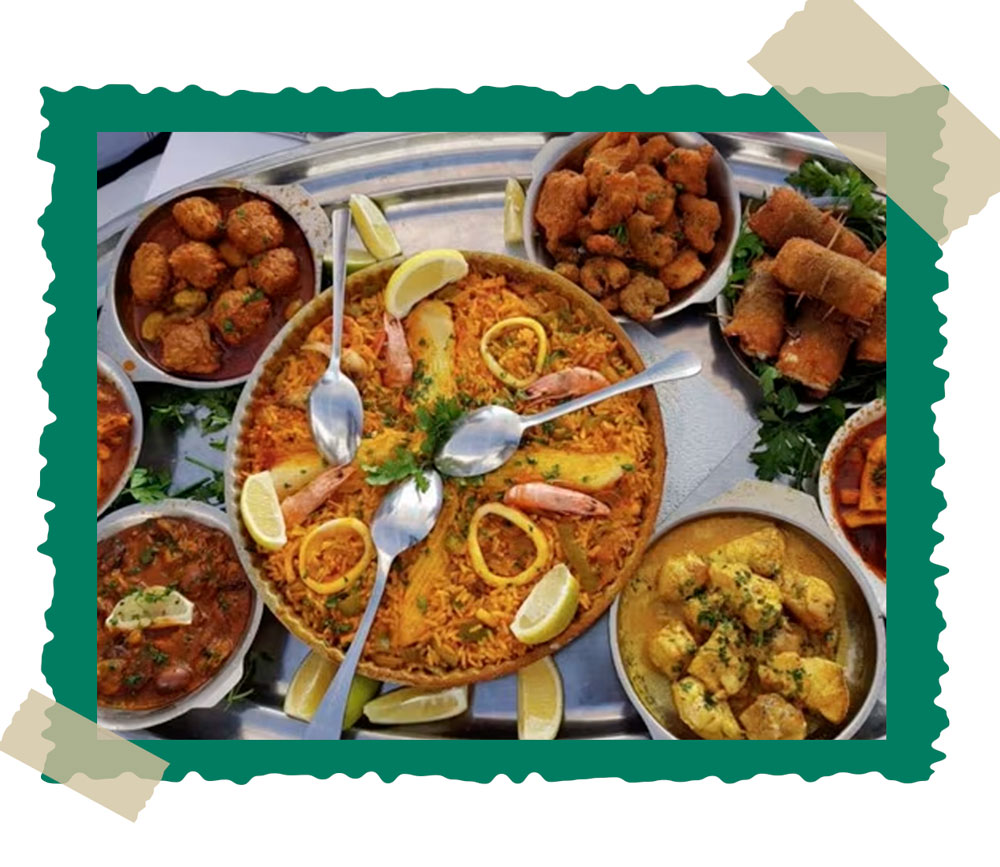
- Seafood Couscous: A celebration of the ocean, combining couscous with a medley of fresh fish, shrimp, and calamari, all lightly spiced and cooked to perfection.
Every dish tells a story of Morocco’s coastal heritage and culinary mastery. Sampling these dishes straight from the markets, seaside restaurants, or even a local’s home allows you to savor the freshest fish while experiencing the heart of Moroccan culture.
Experience a Moroccan Food Adventure!
Join our exclusive food tours and savor the freshest seafood, authentic tagines, and sweet treats straight from local markets. Taste, explore, and experience Morocco as a true foodie, your culinary journey of a lifetime starts here!”
Best Places to Enjoy Fresh Fish in Morocco
Morocco’s coastline is dotted with charming towns, bustling ports, and seaside restaurants that make tasting fresh fish an unforgettable experience. Here’s where to go for the ultimate seafood adventure:
- Essaouira: Known for its vibrant fishing port, Essaouira is famous for freshly grilled sardines served right by the ocean. Wander the harbor, watch the fishermen unload their catch, and pick a local eatery for an authentic taste.
- Agadir: A modern coastal city with sprawling seafood markets and beachfront restaurants. Here, you can enjoy everything from traditional fish tagines to contemporary seafood platters while watching the waves roll in.
- Casablanca: While famous for its urban vibe, Casablanca also offers excellent seafood spots. The Central Market and Corniche area is ideal for sampling fresh fish straight from the Atlantic.
- Tangier: At the crossroads of the Mediterranean and the Atlantic, Tangier offers a unique blend of flavors and fish varieties. Enjoy a fresh seafood feast with a view of the bustling port and the sparkling sea.
Tips for Choosing the Freshest Fish: Look for shiny, clear eyes, firm flesh, and a mild ocean scent. Ask the vendors or chefs about the catch of the day, and they’ll often guide you to the very freshest options.
Whether you prefer street-side stalls, lively markets, or elegant seaside restaurants, Morocco ensures that every seafood experience is both fresh and unforgettable.
Culinary Experiences for Tourists
For travelers who want more than just a meal, Morocco offers immersive culinary experiences that let you connect with its seafood culture firsthand.
Cooking Classes: Join a local chef in coastal towns like Essaouira or Agadir and learn to prepare iconic Moroccan fish dishes, from tangines to pastillas. You’ll not only master new recipes but also gain insight into the spices and techniques that make Moroccan cuisine unique.
Guided Food Tours: Explore bustling fish markets, street stalls, and seaside restaurants with a knowledgeable guide. Taste the freshest catches, hear stories from local fishermen, and discover hidden gems off the beaten path.
Seafood Festivals: Time your visit to coincide with coastal festivals celebrating the sea’s bounty. These events feature cooking demonstrations, tasting sessions, and a chance to experience Morocco’s vibrant seafood traditions alongside locals.
Hands-On Market Visits, Pick your own fish at the market and have it cooked on the spot at nearby stalls or restaurants, a true farm-to-table experience by the sea.
These experiences turn a simple meal into an unforgettable adventure. In Morocco, tasting seafood isn’t just about eating; it’s about immersing yourself in the culture, the people, and the coastal lifestyle that makes Moroccan fish so exceptional.
Tips for Food Lovers Visiting Morocco
To make the most of your seafood journey in Morocco, keep these tips in mind:
- Best Time to Visit – Spring (March to May) and fall (September to November) offer mild weather and abundant fresh catches along the coast.
- Ask for the Catch of the Day: Local restaurants often feature fish caught that very morning. Don’t hesitate to ask the chef for recommendations—you’ll get the freshest and most flavorful options.
- Pair Your Fish with Local Flavors: Moroccan seafood pairs beautifully with local accompaniments like fresh herbs, preserved lemons, olives, and traditional bread. For drinks, try mint tea, fresh orange juice, or a light Moroccan wine where available.
- Market Etiquette: When visiting fish markets, observe local customs. Smile, ask politely, and feel free to sample if offered; it’s part of the experience.
Embrace the Experience – Moroccan seafood is often best enjoyed outdoors, at the seaside, with the sounds of the waves and the bustling harbor around you. Be adventurous, try different dishes, and savor every bite.
With these tips, every meal becomes more than just food—it’s an authentic cultural experience that connects you to Morocco’s coastal heritage.
Conclusion
Morocco is more than just a travel destination; it’s a paradise for seafood lovers. From bustling fishing ports to charming seaside towns, from traditional fish markets to elegant coastal restaurants, the country offers an unforgettable journey from ocean to plate. Every bite of fresh fish tells a story of Morocco’s rich culinary heritage, vibrant culture, and breathtaking coastal landscapes.
So, if you’re a foodie seeking adventure, it’s time to let your taste buds set sail. Embark on a Moroccan culinary journey, savor the freshest fish straight from the sea, and create memories that will last a lifetime. Come taste Morocco, where every meal is a celebration of the ocean!
+212 600 000 000
WowMoroccoTours@gmail.com
The post Taste the Freshest Fish Straight in Morocco for Food Lovers appeared first on Wow Morocco Tours.
]]>
Places You Should Not Visit in Morocco – Where to Take Caution
Travel Smart in Morocco
Morocco is widely recognized as one of the safest and most welcoming travel destinations in North Africa, attracting millions of visitors every year. From historic cities and vibrant souks to breathtaking landscapes and coastal towns, the country offers an incredibly rich travel experience.
However, like any destination, certain places and situations may not be suitable for visitors, especially those unfamiliar with local conditions. This does not mean these areas are dangerous, but rather that they may present challenges such as limited infrastructure, restricted access, or higher risks if visited without proper planning.
This guide is designed to help travelers make informed decisions by highlighting locations and situations that are best avoided or approached with extra caution. By understanding where to go and where not to, you can enjoy Morocco more confidently, respectfully, and safely.
Traveling smart in Morocco is about preparation, awareness, and choosing experiences that match your comfort level. With the right knowledge, most trips to Morocco are not only safe but truly unforgettable.
Places to Avoid in Morocco
Restricted Border Areas
While Morocco is open and accessible to travelers, some border areas are subject to restrictions and are not intended for tourism. These zones are closely monitored and may have limited access due to security, administrative, or logistical reasons.
Travelers visiting or passing near border regions may encounter checkpoints, restricted roads, or areas where movement is limited. These locations generally lack tourist infrastructure such as accommodations, transport options, and emergency services, making them unsuitable for casual exploration.
Attempting to enter restricted border zones can lead to legal issues, delays, or fines. In some cases, travelers may be turned back or questioned by authorities, which can disrupt travel plans.
Travel tip:
Always follow official routes, respect posted signs, and rely on airports or authorized border crossings when traveling between countries. If in doubt, consult local authorities, your accommodation, or a licensed tour operator before approaching border regions.
Remote Desert Areas Without Local Guidance
Morocco’s desert landscapes are stunning, but not all desert areas are suitable for independent travel. Remote zones far from towns and main roads can be challenging even for experienced travelers, especially without proper preparation or local knowledge.
These areas often lack mobile phone coverage, clear signage, fuel stations, medical facilities, or immediate access to help. A minor issue, such as a vehicle breakdown or navigation error, can quickly turn into a serious situation due to distance and isolation.
Extreme temperatures, strong winds, and sudden sandstorms can also make travel unpredictable. For these reasons, exploring remote desert regions without experienced guidance is strongly discouraged.
Travel tip:
Stick to established routes and plan desert trips with licensed guides or reputable tour operators. Proper vehicles, communication equipment, and local expertise greatly reduce risks and allow you to enjoy the desert safely.
Poorly Lit or Isolated Urban Areas at Night
Moroccan cities are generally lively and safe, especially in central areas where tourism, dining, and nightlife are concentrated. However, like in any country, some urban zones are best avoided at night, particularly areas that are poorly lit, isolated, or far from main streets.
Outskirts of large cities, quiet residential neighborhoods, and abandoned industrial areas often lack proper lighting and security presence. These places may feel unfamiliar to visitors and can increase the risk of petty crime or uncomfortable encounters.
Most incidents involving tourists occur late at night when visibility is low, and foot traffic is minimal.
Travel tip:
Stay in well-lit, busy areas after dark, use taxis or ride services when moving at night, and ask your hotel or riad which neighborhoods are best avoided after sunset.

Explore Morocco Like Never Before with Wow Morocco Tours!
Discover the magic of Morocco safely and confidently with our expert guides. From bustling medinas and golden deserts to serene beaches and majestic mountains, Wow Morocco Tours brings you authentic experiences tailored to your interests. Book your adventure today and explore anywhere in Morocco with ease, comfort, and unforgettable memories!
Unregulated Tourist Stops and Roadside Scams
Along popular travel routes, some unofficial stops and attractions are designed specifically to target tourists. These places may appear as scenic viewpoints, roadside shops, or spontaneous “local experiences,” but often involve inflated prices, pressure to buy, or misleading information.
Travelers may be encouraged to stop unexpectedly, take photos, or enter shops without realizing there is an expectation to spend money. In some cases, individuals may claim a site is “closed” or “restricted” and redirect visitors elsewhere for personal gain.
While these encounters are usually harmless, they can be uncomfortable and disrupt the travel experience.
Travel tip:
Stick to planned stops recommended by your accommodation or tour operator, be cautious of unsolicited offers, and don’t feel obligated to buy anything. A polite but firm refusal is usually enough.
Non-Licensed Guides in Historic Areas
Exploring Morocco’s historic sites, like the medinas of Fes, Marrakech, or Essaouira, can be an unforgettable experience. However, not all guides you encounter are licensed or trustworthy. Hiring non-licensed guides can lead to misinformation, scams, or even uncomfortable situations.
Risks of Misinformation and Scams
Some unlicensed guides may exaggerate stories, provide inaccurate historical facts, or direct you to shops and businesses where they earn a commission. In worst-case scenarios, tourists have reported paying inflated prices or being pressured into unnecessary purchases.
Forced Shopping Stops and Hidden Costs
A common tactic involves taking tourists to “special” workshops, carpet stores, or artisan shops where the guide expects a tip or commission. While these stops may seem authentic, they can turn into unwanted shopping obligations, adding unexpected costs to your trip.
How to Identify Official, Licensed Guides
-
Check for credentials: Licensed guides usually carry an ID card issued by Moroccan authorities.
-
Book through official channels: Museums, riads, or tourist offices can recommend certified guides.
-
Look for reviews: Online platforms like TripAdvisor or Google Reviews can help verify a guide’s reputation.
-
Trust your instincts: If a guide pressures you into shopping or seems pushy, it’s okay to politely decline and walk away.
By choosing licensed guides, you not only ensure a more accurate and enriching experience but also support professionals who follow ethical standards in tourism.
Beaches Without Lifeguards or Warning Signs
Morocco’s coastline is stunning, from Agadir to Essaouira and beyond, but not all beaches are monitored or marked with safety signs. Enjoying these beaches safely requires extra caution.
Strong Currents in Some Coastal Areas
Certain stretches of Morocco’s Atlantic and Mediterranean coasts can have unexpectedly strong currents and waves, especially during the off-season or after storms. Even experienced swimmers can be caught off guard.
Swimming Outside Supervised Zones
Many popular beaches in Morocco have designated swimming areas, sometimes supervised by lifeguards. Venturing outside these zones increases the risk of accidents, as there may be hidden rocks, sudden drop-offs, or strong rip currents.
Importance of Respecting Local Advice and Flags
-
Observe warning signs and flags: Red flags usually indicate dangerous swimming conditions.
-
Ask locals for advice: Fishermen or nearby vendors often know which areas are safe.
-
Avoid swimming alone: Always go with a companion and stay within your limits.
By respecting local guidance and being mindful of potential hazards, you can enjoy Morocco’s beaches safely while soaking in their natural beauty.
Flood-Prone Valleys and Gorges During Rainy Seasons
Morocco’s mountainous and desert regions are breathtaking, but certain valleys and gorges can become extremely dangerous during the rainy season. Travelers often underestimate the risks posed by sudden flash floods.
Sudden Flash Floods in Mountain and Desert Valleys
Heavy rainfall in the Atlas Mountains or desert wadis can trigger flash floods that arrive with little warning. Even areas that appear dry and safe can turn into fast-flowing rivers within minutes, putting hikers and campers at serious risk.
Seasonal Risks Travelers Often Underestimate
Many visitors plan excursions to gorges like Todra or Dadès, or desert valleys near Merzouga, without realizing how quickly conditions can change. Floods may cut off paths, damage roads, or make camping unsafe, particularly during autumn and winter rains.
Checking Weather Conditions Before Excursions
- Monitor forecasts: Use reliable weather apps or ask local authorities before setting out.
- Avoid narrow valleys during heavy rain: Opt for higher ground or wait until conditions improve.
- Hire local guides when uncertain: They know which areas are prone to flooding and can suggest safer routes.
Being aware of seasonal risks and planning accordingly ensures your adventure through Morocco’s valleys and gorges remains safe and enjoyable.
Cultural Situations Tourists Should Avoid
Morocco is rich in traditions and cultural norms, and respecting them ensures a smooth and enjoyable travel experience. Certain behaviors, while acceptable elsewhere, can be considered rude or intrusive here.
Entering Private Homes or Villages Uninvited
Many rural communities and traditional homes are private. Entering without an invitation can be seen as disrespectful. Always seek permission before stepping into someone’s property, even in small villages.
Photographing People Without Permission
Moroccan culture places great importance on personal privacy. Taking photos of individuals, especially women, religious figures, or children, without asking first can cause offense. A simple smile and polite request go a long way.
Visiting Religious Spaces Without Respecting Customs
Mosques and religious sites are sacred. Non-Muslims are often restricted from entering certain areas, and modest attire is usually required. Remove shoes when entering prayer areas, dress conservatively, and follow any posted guidelines.
Being culturally sensitive not only shows respect but also enhances your experience, allowing you to connect authentically with locals and gain deeper insight into Morocco’s rich heritage.
Places Often Misunderstood but Generally Safe
Many travelers worry about visiting Morocco’s bustling cities or historic areas due to myths about danger or crime. In reality, most of these places are safe when approached with awareness and common sense.
Why Medinas Are Not Dangerous When Explored Properly
The medinas of cities like Fes, Marrakech, and Essaouira are often portrayed as confusing or unsafe. While they are busy and maze-like, they are generally safe for tourists. Stick to main streets, avoid poorly lit alleys at night, and keep an eye on your belongings.
Separating Myths from Real Travel Risks
Stories of theft, scams, or aggressive behavior are often exaggerated. Most locals are welcoming, and many visitors explore Morocco without incident. Awareness, not fear, is the key to a safe experience.
Importance of Common Sense and Awareness
-
Keep your valuables secure and avoid flashing expensive items.
-
Be polite but cautious when approached by strangers offering unsolicited help.
-
Follow local advice on which areas are best visited during the day.
By understanding the difference between myths and real risks, travelers can confidently enjoy Morocco’s vibrant streets, markets, and historic sites without unnecessary worry.
How to Stay Safe Anywhere in Morocco
While Morocco is generally safe for travelers, taking a few simple precautions ensures a smooth and worry-free experience, no matter where you go.
Follow Local Advice and Hotel Recommendations
Local residents and hotel staff know the area best. They can advise on which neighborhoods, markets, or streets are safe, and suggest times for sightseeing or excursions. Trusting their guidance helps you avoid unnecessary risks.
Use Official Transport and Licensed Services
Whether it’s taxis, buses, or guided tours, always choose official and licensed services. This minimizes the chance of scams, ensures fair pricing, and provides better accountability in case of issues.
Dress Respectfully and Stay Aware of Surroundings
Morocco is culturally conservative. Dressing modestly not only shows respect but also reduces unwanted attention. Stay aware of your surroundings in crowded areas, medinas, or public transport, and avoid displaying valuables openly.
Additional Tips
-
Keep emergency contacts handy, including your embassy or local authorities.
-
Make copies of important documents like passports.
-
Trust your instincts: if a situation feels unsafe, leave and seek assistance.
By combining respect, awareness, and careful planning, you can enjoy all the wonders of Morocco while keeping yourself safe and confident throughout your journey.
Morocco Is Best Enjoyed with Awareness
Morocco is a country full of vibrant culture, stunning landscapes, and unforgettable experiences. While some places and situations require caution, avoiding certain risks doesn’t mean missing out; it enhances your travel experience.
+212 600 000 000
WowMoroccoTours@gmail.com
The post Places You Should Not Visit in Morocco – Where to Take Caution appeared first on Wow Morocco Tours.
]]>
Marrakech Street Food: A Flavorful Journey Through the Red City’s Vibrant Culinary Soul
Few places in the world captivate the senses quite like Marrakech street food. Rich aromas filling the air, sizzling grills, vibrant markets, and centuries-old recipes all blend together to create an unforgettable experience for any traveler. Whether you’re wandering through the buzzing alleys of the Medina or strolling across the iconic Jemaa el-Fna square, the street food scene in Marrakech offers a delicious window into Morocco’s cultural heart.
This guide will take you through everything you need to know about Marrakech street food — what to try, where to find the best dishes, how to eat safely, and why this culinary tradition continues to amaze visitors from around the world. From smoky brochettes and bubbling snails to sweet pastries and refreshing juices, this is your complete, mouthwatering journey into one of Morocco’s greatest treasures.
The Magic of Marrakech Street Food: A Cultural Experience, Not Just a Meal
For Moroccan locals, street food isn’t just about grabbing a quick bite — it’s a celebration of daily life. In Marrakech, food stalls open early, markets buzz with activity, and vendors proudly prepare dishes passed down from generation to generation. Street food here is:
- Affordable
- Freshly cooked
- Rich in flavors and spices
- Deeply rooted in Moroccan traditions
Whether you’re a food lover, a cultural explorer, or a traveler seeking authentic flavors, the world of Marrakech street food will satisfy every craving while immersing you in local life.
Many travelers are surprised by how diverse the street food scene is. You’ll find humble snacks, hearty meals, vegetarian options, and adventurous bites. And everything is made on the spot — the freshness and aroma alone are enough to pull you in.

Where to Find the Best Street Food in Marrakech
While street food can be found all around the city, a few places stand out as must-visits for any food-focused traveler.
1. Jemaa el-Fna Square
The heart of Marrakech’s culinary scene. At night, the square transforms into a massive open-air food court, full of smoke, sound, laughter, and irresistible aromas. Long-tail keyword: best street food in Marrakech at night.
Here you’ll find:
- Grills serving brochettes (meat skewers)
- Freshly cooked tagines
- Spicy harira soup
- Moroccan salads
- Fresh juice stands
- Traditional Moroccan desserts
It’s chaotic, energetic, and unforgettable — a true highlight for anyone tasting Marrakech street food for the first time.
2. The Medina (Old City)
The narrow streets hide countless small food stalls known only to locals. These places serve some of the most authentic dishes you’ll find anywhere in Morocco. From msemen cooked on the spot to slow-cooked meat sandwiches, the Medina offers a more intimate and local experience compared to Jemaa el-Fna.
3. Gueliz District
While more modern, Gueliz has excellent street-style food stands serving Moroccan fusion snacks, grilled treats, and fresh pastries. It’s ideal for travelers who want local flavors in a more relaxed environment.

The Must-Try Marrakech Street Food Dishes
Moroccan cuisine is famous for its bold flavors, aromatic spices, and perfect balance of sweet and savory. Here are the top dishes you simply can’t miss.
1. Msemen — Moroccan Square Pancakes
Crispy on the outside and soft inside, msemen is one of the city’s most popular street foods. Vendors prepare it fresh on hot plates, usually served with:
- Honey
- Butter
- Cheese
- Nutella (a modern twist)
Perfect for breakfast or an afternoon snack.
2. Harira — The Iconic Moroccan Soup
A comforting, flavorful soup made with:
- Tomatoes
- Chickpeas
- Lentils
- Fresh herbs
- Vermicelli
Harira is often enjoyed with dates and chebakia (a honey-based pastry). It’s especially popular during Ramadan but available year-round at street food stalls.
3. Brochettes — Moroccan Grilled Meat Skewers
One of the stars of Marrakech street food, brochettes offer smoky, tender bites of:
- Beef
- Lamb
- Chicken
- Liver
Served with fresh bread, spicy sauces, and grilled vegetables, they’re an absolute must-try.
4. Snails in Spiced Broth (Babbouche)
For adventurous food lovers, babbouche is a signature Moroccan street delicacy. Snails are simmered in a flavorful broth infused with:
- Anise
- Cinnamon
- Thyme
- Peppermint
The broth itself is so tasty that many locals drink it for its digestive benefits.
5. Moroccan Sandwiches (Tanjia, Kefta, or Camel Meat)
Street vendors specialize in hearty sandwiches filled with slow-cooked meats, onions, spices, and fresh herbs. The most famous option is tanjia, a Marrakech specialty slowly cooked in clay jars.
Long-tail keyword: authentic Moroccan street food dishes.
6. Sfenj — Moroccan Donuts
Light, airy, and fried to golden perfection, sfenj is the Moroccan version of a donut, typically dusted with sugar. A popular breakfast treat or anytime snack.
7. Fresh Juices
From orange to pomegranate, Marrakech’s juice stands offer some of the freshest drinks you’ll ever taste. They’re perfect after a long walk in the Medina or a hot afternoon in Jemaa el-Fna.
8. Moroccan Mint Tea
Although not technically street food, mint tea is served everywhere — and sipping it in a busy market is one of the city’s great pleasures.

Plan Your Marrakech Food Adventure
If you’re planning a trip and want to explore Moroccan cuisine with expert guidance, now is the perfect time to start preparing. Whether it’s tasting authentic dishes, discovering hidden food corners, or exploring markets, Marrakech promises a culinary journey like no other.
Vegetarian-Friendly Marrakech Street Food Options
Many visitors worry about finding vegetarian street food in Marrakech, but there are plenty of delicious choices. Look out for:
- Vegetarian msemen
- Moroccan salads
- Lentil and bean stews
- Harrira (vegetarian version)
- Roasted corn
- Fresh fruit juices
- Sfenj
You can enjoy the essence of Marrakech street food even without meat.
Tips for Enjoying Marrakech Street Food Safely
Moroccan street food is generally safe, but here are a few guidelines to ensure the best experience:
✔ Choose Busy Stalls
High turnover means the food is fresh.
✔ Watch the Cooking
Street vendors cook right in front of you — a great sign of cleanliness and transparency.
✔ Drink Bottled Water
Even locals prefer bottled water from shops.
✔ Avoid Raw Foods
Opt for cooked dishes, especially if you have a sensitive stomach.
✔ Ask for Recommendations
Locals know the best spots — don’t hesitate to ask!

Why Marrakech Street Food is a Foodie’s Dream
The unique thing about Marrakech street food is the combination of:
- Fresh ingredients
- Bold spices
- Culinary traditions
- Live preparation
- Family recipes passed down through generations
You’re not just eating — you’re experiencing a culture, a history, and a way of life.
Whether you’re wandering old souks or enjoying the vibrant nightlife of Jemaa el-Fna, every bite tells a story. This makes Marrakech one of the best destinations in the world for food lovers seeking authenticity and adventure.
Conclusion: Discover the Delicious World of Marrakech Street Food
Marrakech street food is more than just a quick meal — it’s a doorway into the heart of Moroccan culture. From sizzling brochettes to steaming bowls of harira and irresistible pastries, every dish reflects the rich traditions and vibrant spirit of the Red City. Whether you’re a first-time visitor or a returning traveler, exploring street food in Marrakech is an experience you’ll never forget.
Come hungry, follow your senses, and dive into the incredible flavors that make Marrakech one of the world’s most captivating food destinations.
+212 600 000 000
WowMoroccoTours@gmail.com
The post Marrakech Street Food: A Flavorful Journey Through the Red City’s Vibrant Culinary Soul appeared first on Wow Morocco Tours.
]]>
Things to Do in Marrakech: Your Ultimate Guide to Exploring Morocco’s Magical City
Marrakech, often referred to as the “Red City” for its vibrant ochre-colored buildings, is a city that captivates travelers with its unique blend of history, culture, and adventure. Whether you’re wandering through bustling souks, sipping mint tea in a tranquil riad, or exploring the rich architectural heritage, Marrakech offers endless experiences that make every visit unforgettable. If you’re planning a trip and wondering about the best things to do in Marrakech, this guide will provide you with everything you need to know to make the most of your adventure.
Discover the Majestic Palaces and Gardens
One of the top highlights for visitors in Marrakech is its stunning palaces and gardens. These historical sites not only showcase Moroccan architecture but also provide a glimpse into the city’s royal past.
- Bahia Palace: A 19th-century masterpiece, the Bahia Palace is known for its intricate mosaics, lush gardens, and opulent courtyards. It’s perfect for history lovers and photography enthusiasts.
- El Badi Palace: Though now in ruins, El Badi Palace tells the story of Morocco’s rich royal history and offers panoramic views of the city from its terraces.
- Majorelle Garden: A vibrant oasis created by French painter Jacques Majorelle and later owned by Yves Saint Laurent, this garden is famous for its cobalt blue accents, exotic plants, and tranquil atmosphere.
Visiting these sites early in the morning can help you avoid crowds and enjoy a more serene experience.
Explore the Bustling Souks
No visit to Marrakech is complete without getting lost in its famous souks. These markets are vibrant, colorful, and full of life, offering everything from spices and textiles to handcrafted jewelry and pottery.
- Souk Semmarine: The main artery of Marrakech’s Medina, perfect for shopping traditional Moroccan goods.
- Souk Ableuh: Known for its wide variety of olives, spices, and local delicacies.
- Souk Chouari: Ideal for artisan woodwork and unique souvenirs.
Tip: Haggling is part of the shopping experience in Marrakech. Approach it with a friendly attitude—it’s a cultural tradition and often leads to better deals.

Experience the Vibrant Djemaa el-Fna Square
Djemaa el-Fna, the city’s main square, is the heartbeat of Marrakech. By day, it’s a lively hub of snake charmers, street performers, and food stalls. By night, it transforms into a gastronomic paradise, with countless stalls offering traditional Moroccan dishes.
Some must-try experiences at Djemaa el-Fna include:
- Sampling traditional Moroccan street food like harira (soup), msemen (pancakes), and skewered meats.
- Watching the mesmerizing performances of storytellers, musicians, and dancers.
- Enjoying mint tea at one of the rooftop cafes overlooking the square—a perfect spot for people-watching.
This bustling square is not just a tourist attraction; it’s a living piece of Marrakech’s culture and history.

Indulge in Moroccan Cuisine
Marrakech is a culinary paradise. From traditional tagines to sweet pastries, the city offers flavors that are as rich and vibrant as its streets.
- Tasting Tagine and Couscous: Visit a local restaurant or riad to try authentic Moroccan dishes cooked in traditional tagines.
- Street Food Adventures: Don’t miss freshly baked breads, roasted nuts, and sweet pastries from the medina’s stalls.
- Cooking Classes: Engage in a Moroccan cooking class to learn how to prepare your favorite dishes and bring a piece of Marrakech home with you.
For food lovers, exploring Marrakech through its flavors is one of the most rewarding experiences.
Discover Marrakech’s Historical Sites
For travelers with an interest in history and architecture, Marrakech is a treasure trove.
- Koutoubia Mosque: Known for its stunning minaret, this mosque is an iconic symbol of Marrakech. While non-Muslims cannot enter, admiring its architecture from the outside is a must.
- Saadian Tombs: Dating back to the 16th century, these tombs are beautifully decorated and offer insight into Morocco’s Saadian dynasty.
- Medersa Ben Youssef: A historic Islamic school with intricately carved walls and serene courtyards—a testament to Moroccan craftsmanship.
Visiting these sites will help you understand the deep historical and cultural layers that make Marrakech so unique.

Ready to Explore Morocco Valleys?
Experience the breathtaking beauty, rich culture, and thrilling adventures of Morocco’s most iconic valleys: Ourika, Dades, and Todra. Whether you’re seeking lush mountain escapes, historic kasbahs, or towering gorges, these valleys offer unforgettable memories for every traveler.
Don’t wait—plan your journey through Morocco valleys now!
Relax in Traditional Riads and Hammams
After a day of exploring, it’s time to unwind. Marrakech is famous for its luxurious riads and traditional hammams.
- Riads: These traditional Moroccan houses with interior courtyards offer a peaceful retreat from the bustling streets. Many riads now function as boutique hotels, offering comfort and authenticity.
- Hammams: Experience a traditional Moroccan bath and massage to rejuvenate your body and mind. It’s a relaxing way to immerse yourself in Moroccan culture.
These experiences not only offer relaxation but also give a deeper understanding of local customs and lifestyle.
Take a Day Trip from Marrakech
Marrakech’s location makes it a perfect base for exploring nearby attractions. Consider these day trips:
- Ourika Valley: Just an hour away, this valley offers breathtaking views, traditional Berber villages, and refreshing waterfalls.
- Essaouira: A coastal city known for its historic medina, vibrant arts scene, and fresh seafood.
- Atlas Mountains: Ideal for hiking, trekking, or exploring Berber villages nestled in stunning natural landscapes.
Day trips are an excellent way to experience more of Morocco while using Marrakech as your home base.

Tips for Travelers
- Best Time to Visit: Spring (March–May) and autumn (September–November) offer pleasant weather, avoiding the extreme heat of summer.
- Dress Code: Morocco is culturally conservative. Wearing modest clothing will help you respect local customs.
- Getting Around: Walking is the best way to explore the Medina, while taxis and buses are convenient for longer distances.
These practical tips will help ensure a smooth and enjoyable trip.
Conclusion: Make the Most of Your Marrakech Adventure
From exploring majestic palaces and colorful souks to savoring delicious Moroccan cuisine and relaxing in traditional riads, Marrakech is a city full of unforgettable experiences. The things to do in Marrakech cater to every type of traveler—whether you’re seeking history, culture, adventure, or culinary delights.
Planning your trip carefully will allow you to experience the city’s vibrant spirit fully. For more information and to plan your trip, contact us here and start your Moroccan adventure today!
Marrakech is more than a destination—it’s an experience that stays with you long after you leave. Every alley, every spice, and every smile tells a story waiting to be discovered.
+212 600 000 000
WowMoroccoTours@gmail.com
The post Things to Do in Marrakech: Your Ultimate Guide to Exploring Morocco’s Magical City appeared first on Wow Morocco Tours.
]]>
Morocco Adventure Holiday Travel: The Ultimate Guide to Thrilling Experiences Across the Kingdom
If you’re searching for a destination that combines breathtaking landscapes, thrilling outdoor activities, and authentic cultural immersion, nothing compares to Morocco adventure holiday travel. With its dramatic mountains, golden deserts, rugged coastlines, ancient cities, and traditional villages, Morocco offers endless opportunities for adventure and discovery. Whether you’re trekking the Atlas Mountains, surfing Atlantic waves, riding camels across the Sahara, or exploring wild canyons, Morocco adventure holiday travel delivers a perfect mix of adrenaline, beauty, and culture.
This guide explores the best regions, activities, and tips to help you plan a once-in-a-lifetime Morocco adventure holiday travel experience.
Why Choose Morocco for Your Adventure Holiday?
There are many exciting destinations around the world, but Morocco adventure holiday travel stands out due to its unique combination of landscapes, climate, culture, and accessibility. Within just a few hours, you can shift from snowy peaks to scorching sands, from lush valleys to windy beaches, making Morocco one of the most diverse adventure destinations on earth.
Why Morocco is ideal for adventure lovers:
- Incredible geographic diversity
- Year-round adventure opportunities
- Safe and accessible terrains for all skill levels
- Authentic cultural immersion during your adventures
- Affordable guided tours and equipment rentals
When you choose Morocco adventure holiday travel, you’re choosing a destination that offers variety, excitement, and unforgettable memories.

Trekking and Hiking: The Heart of Morocco Adventure Holiday Travel
One of the most iconic aspects of Morocco adventure holiday travel is the opportunity to explore the Atlas Mountains. The mountains offer some of the most spectacular hiking routes in North Africa, attracting all types of adventurers—from beginners to experienced climbers.
Top trekking adventures for Morocco adventure holiday travel:
1. Mount Toubkal Trek
The ascent to Jebel Toubkal, the highest peak in North Africa (4,167 meters), is a bucket-list experience for anyone considering Morocco adventure holiday travel. The journey challenges your body while rewarding you with breathtaking views of valleys, villages, and peaks.
2. Imlil Valley Exploration
Imlil is a paradise for hikers. Its trails are ideal for day hikes during your Morocco adventure holiday travel and offer beautiful scenery, friendly locals, and refreshing mountain air.
3. Ait Bougmez – The Happy Valley
Known for its stunning landscapes and traditional villages, Ait Bougmez is an essential part of any Morocco adventure holiday travel plan. It’s perfect for multi-day treks and rural exploration.
4. Todra Gorge Hiking
The towering limestone cliffs of Todra Gorge are ideal for hikers and climbers seeking thrilling vertical adventures. It’s a highlight for anyone serious about Morocco adventure holiday travel.
Sahara Desert Adventures: A Core Pillar of Morocco Adventure Holiday Travel
No experience defines Morocco adventure holiday travel more than the vast Sahara Desert. The desert offers silence, mystery, and awe-inspiring beauty—along with activities that range from calm to extreme.
Top Sahara experiences for Morocco adventure holiday travel:
- Camel trekking over golden dunes
- Sandboarding down massive slopes
- 4×4 off-road expeditions through rocky desert terrain
- Stargazing in peaceful desert camps
- Visiting nomadic Amazigh families
Whether you choose Erg Chebbi in Merzouga or Erg Chigaga in Zagora, your Morocco adventure holiday travel is incomplete without a desert experience.

Surfing & Water Adventures: Essential to Morocco Adventure Holiday Travel
Morocco’s Atlantic coastline is world-famous among surf enthusiasts. The country has consistent waves year-round, making it a top destination for ocean lovers planning Morocco adventure holiday travel.
Best surf spots for Morocco adventure holiday travel:
Taghazout
Considered the surfing capital of Morocco, Taghazout is a must-visit location for travelers seeking surf-centered Morocco adventure holiday travel experiences.
Tamraght
A calm village with welcoming surf schools perfect for beginners.
Essaouira
Known for windsurfing and kitesurfing, this city adds variety to your Morocco adventure holiday travel plans.
Sidi Ifni & Mirleft
Quieter beaches ideal for travelers who want a relaxing atmosphere mixed with adventure.
Plan Your Morocco Adventure Holiday Travel Today
Ready to explore Morocco’s most breathtaking landscapes? Start your Morocco Adventure Holiday Travel journey now and discover why adventurers from around the world fall in love with the Kingdom’s mountains, deserts, and coastlines.
Compare trusted tour packages, choose your ideal adventure style, and begin planning the trip of a lifetime.
4×4 Off-Roading and Quad Biking: Adrenaline for Morocco Adventure Holiday Travel
Off-road enthusiasts will find Morocco’s landscapes perfect for fast-paced, high-energy adventure. Exploring mountains, deserts, and valleys by 4×4 or quad bike is a thrilling way to experience Morocco adventure holiday travel.
Top off-road experiences:
- Anti-Atlas mountain 4×4 tours
- Quad biking in the Agafay Desert near Marrakech
- Crossing rocky desert plateaus toward the Draa Valley
- Exploring hidden oases and remote villages
For travelers wanting a more intense form of Morocco adventure holiday travel, off-roading is the perfect choice.
Rock Climbing and Canyoning: Extreme Morocco Adventure Holiday Travel
For travelers seeking physical challenge, climbing and canyoning offer some of the most exciting activities in Morocco.
Best destinations for technical Morocco adventure holiday travel:
- Todra Gorge – ideal for world-class rock climbing
- Taghia Gorge – stunning and challenging for experienced climbers
- Amezmiz – a hotspot for canyoning and waterfall descents
- Cathedral Rock – a visually impressive climbing site in the Atlas Mountains
These regions push your limits and elevate your Morocco adventure holiday travel to new heights.

Hidden Natural Wonders That Elevate Morocco Adventure Holiday Travel
Beyond mountains and deserts, Morocco hides incredible natural attractions perfect for adventurous travelers.
Must-see natural areas for Morocco adventure holiday travel:
- Akchour Waterfalls
- Paradise Valley near Agadir
- Ouzoud Waterfalls
- Souss-Massa National Park
- Dades Valley rock formations
Exploring these natural treasures adds balance and beauty to your Morocco adventure holiday travel.
Comparing Morocco Valleys – Ourika, Dades, and Todra
Morocco’s valleys each offer a distinct experience, from lush greenery to dramatic cliffs and desert-edge landscapes. Comparing Ourika, Dades, and Todra can help travelers plan their itineraries and choose experiences that match their interests.
Landscape Differences
-
Ourika Valley: Known for its lush vegetation, flowing rivers, waterfalls, and terraced gardens in the foothills of the High Atlas. The scenery is vibrant and green, especially in spring.
-
Dades Valley: Characterized by rugged cliffs, red rock formations, and palm groves, often called the “Valley of a Thousand Kasbahs” for its historic mud-brick fortresses. Its dramatic, desert-tinged landscapes are ideal for photography and exploration.
-
Todra Gorge: A vertical marvel, with sheer limestone cliffs rising up to 300 meters. The narrow canyon contrasts with the open valleys, offering a sense of scale and awe unmatched by the other two valleys.
Activity Options
-
Ourika Valley: Hiking to waterfalls, visiting Berber villages, exploring local markets, and cultural immersion with traditional tea and crafts. Ideal for nature walks and casual explorers.
-
Dades Valley: Trekking through gorges, exploring historic kasbahs, photography, visiting Berber villages, and experiencing the desert-edge environment. Best for adventurous travelers and photographers.
-
Todra Gorge: Rock climbing, canyon hiking, photography of dramatic cliffs, and exploring small villages. Perfect for thrill-seekers and those drawn to geological wonders.
Accessibility & Travel Tips
-
Ourika Valley: 30 km from Marrakech, easily reached by car or organized tours. Suitable for day trips or overnight stays.
-
Dades Valley: About 2.5–3 hours from Ouarzazate. Ideal for overnight stays in kasbahs and exploration along the valley.
-
Todra Gorge: 1–1.5 hours from Dades Valley, usually visited as part of a multi-day journey with Dades. Parking available at gorge entrances; guided tours are recommended for safety and insight.
Cultural & Local Experiences
-
All three valleys feature Berber communities, but each offers a slightly different glimpse into Moroccan culture:
-
Ourika: Small mountain villages, traditional crafts, local markets, mint tea experiences.
-
Dades: Historic kasbahs, desert-edge farming, seasonal festivals, artisanal crafts.
-
Todra: Villages near the gorge, local markets, and opportunities for interacting with families maintaining centuries-old lifestyles.
-
Best Time to Visit Each Valley
-
Ourika: Spring to autumn, with spring ideal for lush greenery and waterfalls.
-
Dades: Spring, autumn, and early summer for comfortable hiking temperatures and clear skies.
-
Todra: Spring and autumn preferred for hiking and climbing; summer mornings are good for shorter walks. Winter offers dramatic cliffs but cooler temperatures.
Suggested Travel Itinerary
-
Day 1: Depart Marrakech → Explore Ourika Valley → Overnight in Ourika or return to Marrakech.
-
Day 2: Travel to Dades Valley → Explore kasbahs and gorges → Overnight in a local kasbah.
-
Day 3: Morning visit to Todra Gorge → Short hikes and photography → Travel onward to Merzouga or back to Ouarzazate.
Cultural Encounters That Enrich Morocco Adventure Holiday Travel
Adventure in Morocco is never just about physical activity—it’s also about cultural connection. Every thrilling moment is complemented by encounters that reveal Morocco’s heart and traditions.
Cultural highlights during Morocco adventure holiday travel:
- Sharing mint tea with Amazigh villagers
- Enjoying traditional tagine meals in rural homes
- Learning about nomadic life in the Sahara
- Staying in eco-lodges, riads, and kasbahs
- Visiting ancient medinas and souks after adventurous excursions
These experiences deepen the emotional and cultural impact of your Morocco adventure holiday travel.
Practical Tips for Planning Morocco Adventure Holiday Travel
To maximize your experience, consider these essential tips:
1. Choose Your Travel Season Wisely
Spring and autumn are ideal seasons for Morocco adventure holiday travel, especially for hiking and desert activities.
2. Pack Adventure-Ready Gear
Comfortable shoes, lightweight clothing, sunscreen, hydration gear, and a small backpack are necessary.
3. Travel With Local Guides
Local experts ensure safety, cultural insight, and access to hidden locations that make your Morocco adventure holiday travel richer.
4. Respect Local Traditions
Morocco is welcoming, but modesty and politeness—especially in rural areas—enhance your travel experience.
Conclusion
Morocco adventure holiday travel is the perfect blend of action, culture, and natural beauty. With towering mountains, powerful waves, endless deserts, and rich traditions, Morocco offers some of the world’s most diverse adventure experiences. Choosing Morocco adventure holiday travel means choosing excitement, discovery, and unforgettable memories. From trekking and surfing to off-roading and desert exploration, every moment becomes a story you’ll treasure.
+212 600 000 000
WowMoroccoTours@gmail.com
The post Morocco Adventure Holiday Travel: The Ultimate Guide to Thrilling Experiences Across the Kingdom appeared first on Wow Morocco Tours.
]]>
Discover the Best Morocco Holiday Deals for Your Dream Adventure
Morocco, a land of vibrant culture, stunning landscapes, and ancient traditions, is a dream destination for travelers seeking adventure, relaxation, or a mix of both. If you’re planning your next getaway, taking advantage of Morocco holiday deals can help you experience the country’s magic without breaking the bank. From the bustling souks of Marrakech to the vast Sahara Desert and the tranquil beaches along the Atlantic coast, Morocco offers something for everyone. In this guide, we’ll explore how to find the best deals, what to expect, and tips to make the most of your Moroccan adventure.
In this guide, we’ll explore everything you need to know about starting your surfing journey in Taghazout, from choosing the right surf camp to what to expect during your stay.
Why Morocco is the Perfect Holiday Destination
Morocco’s charm lies in its diversity. Whether you are a culture enthusiast, nature lover, foodie, or adventure seeker, Morocco has it all:
- Cultural Experiences: Wander through ancient medinas, admire the intricate architecture of palaces, and enjoy traditional music performances.
- Natural Wonders: From the majestic Atlas Mountains to the golden dunes of the Sahara, Morocco’s landscapes are breathtaking.
- Delicious Cuisine: Savor tagines, couscous, pastilla, and fresh mint tea in local markets or traditional riads.
- Vibrant Markets: The souks are a treasure trove of spices, textiles, pottery, and unique handicrafts.
With so much to see and do, finding affordable Morocco holiday deals ensures you can experience more without worrying about overspending.

How to Find the Best Morocco Holiday Deals
Scoring great deals for a Moroccan adventure requires a mix of research, flexibility, and timing. Here are some proven strategies:
1. Book Early or Last Minute
- Early Booking: Planning months ahead often comes with discounted rates on flights, hotels, and tours.
- Last-Minute Offers: If you have a flexible schedule, some agencies and airlines offer significant last-minute discounts.
2. Compare Packages
Look for all-inclusive Morocco holiday deals or package tours that bundle accommodation, transport, and activities. Comparing multiple providers ensures you get the best value.
3. Consider the Season
- Peak Season (March–May, September–November): Ideal weather but slightly higher prices.
- Off-Peak Season (June–August, December–February): Lower prices and fewer crowds, though some areas can be very hot in summer.
4. Explore Local Travel Agencies
Local agencies often provide exclusive deals and personalized packages. They can customize trips according to your preferences and budget.
5. Use Online Resources
Websites, travel forums, and deal aggregators can help you track promotions and special offers.

Top Morocco Destinations Included in Holiday Deals
A well-rounded Morocco holiday deal often covers a combination of the following destinations:
Marrakech: The Heart of Moroccan Culture
Marrakech, known as the “Red City,” is famous for its vibrant souks, stunning palaces, and bustling Jemaa el-Fnaa square. Highlights include:
- Majorelle Garden: A serene oasis with exotic plants.
- Bahia Palace: A masterpiece of Moroccan architecture.
- Traditional Riads: Stay in authentic Moroccan guesthouses for a unique experience.
The Sahara Desert: Adventure Under the Stars
No Morocco trip is complete without exploring the Sahara. Many Morocco holiday deals with desert tours include:
- Camel trekking across sand dunes
- Overnight stays in Berber-style desert camps
- Stargazing under the clear desert sky
Fes: A Step Back in Time
Fes is a UNESCO World Heritage site and a cultural hub. Explore:
- Fes el-Bali: One of the world’s oldest medinas
- Leather Tanneries: Witness traditional leather-making techniques
- Local Cuisine: Sample authentic Moroccan dishes in a historic setting
Essaouira: Coastal Charm
For a laid-back coastal vibe, Essaouira is perfect. Activities often included in holiday deals:
- Kite surfing and windsurfing
- Exploring the fortified medina
- Enjoying fresh seafood along the port
Atlas Mountains: Nature and Adventure
Ideal for hiking enthusiasts, the Atlas Mountains provide stunning landscapes, Berber villages, and adventure opportunities such as trekking and biking.
Types of Morocco Holiday Deals
Travelers can choose from a variety of deals tailored to different interests:
1. Cultural Tours
Experience Morocco’s history, architecture, and traditions. Includes guided city tours, museum visits, and cooking classes.
2. Adventure Packages
Perfect for thrill-seekers. May include hiking in the Atlas Mountains, desert safaris, or quad biking in the dunes.
3. Beach & Relaxation Deals
Focus on the coastal regions of Agadir or Essaouira with luxury resorts, spa treatments, and beach activities.
4. Luxury Experiences
High-end packages featuring five-star accommodations, private tours, and personalized services.
5. Budget-Friendly Packages
For those traveling on a budget, options include shared accommodations, group tours, and limited yet exciting itineraries.

Why Learning to Surf in Taghazout is a Unique Experience
Beyond surfing, Taghazout offers an unforgettable cultural and scenic experience:
-
Breathtaking sunsets: The coastline is perfect for post-surf relaxation.
-
Moroccan cuisine: Enjoy fresh seafood, tagines, and mint tea.
-
Friendly locals: The town is welcoming, making it easy to socialize.
-
Adventure beyond surfing: Explore nearby villages, hike the Atlas Mountains, or ride camels along the beach.
Your surf camp experience becomes more than just lessons; it’s a full Moroccan adventure.
Tips to Maximize Your Morocco Holiday Deal
Getting the most value from your trip requires smart planning. Here are some insider tips:
- Flexibility: Be flexible with dates and destinations to unlock better deals.
- Group Travel: Traveling in a group often reduces costs per person.
- Local Transportation: Using trains or buses can save money compared to private transfers.
- Negotiate Wisely: Bargaining is part of the Moroccan experience, especially in markets and with local guides.
- Plan Activities in Advance: Some tours offer early-bird discounts for excursions or experiences.
Why Booking Through Trusted Providers Matters
Booking through reputable agencies ensures reliability, safety, and a hassle-free experience. Many Morocco holiday deals with local tour operators include expert guides, accommodations vetted for quality, and well-planned itineraries. This not only saves time but also ensures a richer, more authentic experience.
For more information and to plan your trip, contact us here. Our experts can help you design a tailor-made adventure, taking full advantage of the best deals and experiences Morocco has to offer.

Your Morocco Holiday Deals adventure is calling!
From the colors of Marrakech to the silence of the Sahara, your journey through Morocco will stay with you long after you return home — in your stories, your photos, and the memories you’ll carry forever.
Ready to plan your Morocco Holiday Deals getaway?
Start your dream trip with just one click!
Sample Itinerary for a 7-Day Morocco Holiday
Here’s an example of what a well-rounded holiday package might include:
Day 1-2: Arrival in Marrakech, guided city tour, and traditional Moroccan dinner
Day 3: Travel to the Atlas Mountains, overnight stay in a Berber village
Day 4-5: Sahara Desert excursion with camel trekking and overnight camp
Day 6: Fes city tour, exploring medinas and artisan workshops
Day 7: Return to Marrakech, free time for shopping and departure
This kind of itinerary is often included in all-inclusive Morocco holiday deals, offering a balanced mix of adventure, culture, and relaxation.
Conclusion: Unlock the Magic of Morocco with Holiday Deals
Exploring Morocco is an unforgettable experience, and the right Morocco holiday deals make it accessible, affordable, and enjoyable. From the vibrant cities to serene deserts and picturesque coasts, every corner of Morocco offers a new adventure. By planning smartly, booking through trusted providers, and taking advantage of seasonal promotions, you can create a trip filled with memories, culture, and breathtaking sights.
Don’t wait to turn your Moroccan dreams into reality. Contact us here to explore the best holiday deals and start planning your adventure today. With the right guidance and packages, Morocco is ready to welcome you with open arms.
+212 600 000 000
WowMoroccoTours@gmail.com
The post Discover the Best Morocco Holiday Deals for Your Dream Adventure appeared first on Wow Morocco Tours.
]]>
Morocco Atlantic Coast Road Trip: Your Ultimate Guide
Exploring Morocco’s stunning Atlantic coastline is a dream for any traveler seeking adventure, culture, and breathtaking scenery. A Morocco Atlantic Coast road trip offers a unique way to experience the country’s diverse landscapes—from vibrant coastal cities and surf towns to historic medinas and pristine beaches. Whether you’re planning a short getaway or a multi-day journey, this guide will help you make the most of your road trip along Morocco’s Atlantic coast.
In this article, we’ll cover top destinations, travel tips, and insider advice to ensure your Morocco Atlantic Coast road trip is unforgettable.
Why Choose a Morocco Atlantic Coast Road Trip?
A road trip along Morocco’s Atlantic coast offers several advantages:
-
Scenic landscapes: From golden beaches to dramatic cliffs, the coast is visually stunning.
-
Flexible itinerary: Travel at your own pace and stop wherever you like.
-
Cultural immersion: Visit bustling cities like Casablanca, historic towns like Essaouira, and charming fishing villages.
-
Adventure opportunities: Surfing, camel rides, coastal hikes, and seafood feasts await.
For travelers seeking both adventure and culture, a Morocco Atlantic Coast road trip is one of the most rewarding ways to explore the country.

Top Stops on Your Morocco Atlantic Coast Road Trip
Here are some must-visit destinations for your journey:
1. Casablanca – The Modern Gateway
Casablanca, Morocco’s largest city, is often the starting point for Atlantic coast adventures. Highlights include:
-
Hassan II Mosque: One of the world’s largest mosques, overlooking the ocean.
-
Corniche: A lively seaside promenade filled with cafes and restaurants.
-
Art Deco architecture: Stroll through the city center to admire colonial-era buildings.
Spending a day in Casablanca gives you a blend of modernity and history before heading south along the coast.
2. Rabat – The Coastal Capital
Rabat, the nation’s capital, is a charming stop on your Morocco Atlantic Coast road trip. Key attractions:
-
Kasbah of the Udayas: A historic fortress with stunning ocean views.
-
Rabat Medina: Explore narrow streets filled with local crafts and Moroccan markets.
-
Royal Palace and Mausoleum of Mohammed V: Important cultural landmarks.
Rabat’s laid-back coastal vibe makes it a perfect mid-point for your journey.
3. Safi – Pottery and Waves
Safi is known for its pottery and surfing spots. Things to see and do:
-
Pottery workshops: Watch artisans craft traditional Moroccan ceramics.
-
Safi beaches: Popular with surfers and beginner wave riders.
-
Historic fortifications: Explore Safi’s old Portuguese ramparts.
A stop in Safi adds both cultural richness and coastal adventure to your road trip.
4. Essaouira – The Windy Coastal Gem
Essaouira is a UNESCO World Heritage site and a favorite stop on a Morocco Atlantic Coast road trip. Highlights include:
-
Essaouira Medina: Whitewashed walls, blue shutters, and winding alleys full of shops and cafes.
-
Beaches: Perfect for kite surfing, windsurfing, or relaxing by the ocean.
-
Local seafood: Savor fresh fish grilled right on the beach.
Essaouira’s artistic and relaxed vibe makes it one of the most memorable stops on the coast.
5. Taghazout – Surf and Chill
Taghazout is a small village famous for surfing. Perfect for adventure travelers:
-
Surf lessons for all levels: Join a Taghazout Surf Camp Beginners program or watch pros ride the waves.
-
Panoramic beach views: Ideal for sunset photography.
-
Casual cafés and yoga studios: Relax after a day of coastal exploration.
Including Taghazout adds both sport and tranquility to your road trip itinerary.
6. Agadir – Modern Beach Destination
Agadir is the ultimate seaside city on Morocco’s Atlantic coast. Must-see spots:
-
Agadir Beach: Perfect for sunbathing and water sports.
-
Agadir Marina: Dine with a view of luxury yachts.
-
Souk El Had: Explore a massive local market for souvenirs and spices.
Agadir’s combination of modern amenities and beautiful beaches makes it a great ending point for your road trip.

Planning Your Morocco Atlantic Coast Road Trip
Best Time to Go
The ideal months for a Morocco Atlantic Coast road trip are:
-
Spring (March–May): Mild temperatures, fewer crowds.
-
Autumn (September–November): Pleasant weather, calm seas.
Summer is hot and crowded in some coastal cities, while winter can be windy along the Atlantic.
How to Travel
-
Rental car: Offers the most flexibility to stop along beaches and towns.
-
Bus or shared taxi: Ideal for budget travelers or shorter trips.
-
Guided tours: Perfect if you prefer planning-free road trips with local insights.
Essential Tips
-
Always carry sunscreen, sunglasses, and a hat for sun protection.
-
Keep Moroccan dirhams handy for local markets and tolls.
-
Check local surf conditions if you plan to surf in Taghazout or Safi.
-
Respect local customs, dress modestly in towns, and be polite when taking photos of locals.
Off-the-Beaten-Path Experiences
To make your Morocco Atlantic Coast road trip truly memorable, explore some hidden gems:
-
Legzira Beach: Famous for natural stone arches and dramatic cliffs.
-
Mirleft: Quiet village with pristine beaches and surfing opportunities.
-
Oualidia Lagoon: Perfect for oyster tasting and kayaking.
These stops provide a mix of adventure, culture, and scenic beauty beyond the main cities.
Culinary Delights Along the Coast
Morocco’s Atlantic coast is not just about beaches—it’s a food lover’s paradise:
-
Fresh seafood: Grilled sardines, calamari, and lobster.
-
Tagines and couscous: Traditional Moroccan flavors in local eateries.
-
Mint tea: Sip the national drink while enjoying ocean views.
-
Street food: Try snacks like briouats (stuffed pastries) in medinas.
Sampling local cuisine is essential to fully experience the coastal culture.

Your Morocco Atlantic Coast Road Trip adventure awaits!
The stunning beaches, historic towns, and vibrant culture of Morocco will stay with you long after your journey—in your photos, your memories, and the part of your heart that will always belong to the Atlantic coast.
Ready to start your Morocco Atlantic Coast Road Trip? Explore the coast and plan your unforgettable journey today!
Ready to Plan Your Road Trip?
Your Morocco Atlantic Coast road trip adventure awaits! The beaches, historic towns, and vibrant culture of Morocco will stay with you long after you leave—in your photos, your memories, and the part of your heart that will always belong to the Atlantic coast.
Ready to explore Morocco like never before? Research us with just one click!
+212 600 000 000
WowMoroccoTours@gmail.com
The post Morocco Atlantic Coast Road Trip: Your Ultimate Guide appeared first on Wow Morocco Tours.
]]>
Taghazout Surf Camp Beginners: Your Ultimate Guide to Learning to Surf in Morocco
If you’ve ever dreamed of catching your first wave in a stunning coastal paradise, a Taghazout Surf Camp for beginners might just be your perfect destination. Nestled on Morocco’s sun-kissed Atlantic coast, Taghazout is a vibrant surf town famous for its consistent waves, friendly atmosphere, and scenic beauty. Whether you’re stepping onto a surfboard for the first time or looking to refine your basic skills, Taghazout offers a unique experience tailored specifically for beginners.
In this guide, we’ll explore everything you need to know about starting your surfing journey in Taghazout, from choosing the right surf camp to what to expect during your stay.
Why Taghazout is Perfect for Beginner Surfers
Taghazout is more than just a beach town—it’s a hub for surf enthusiasts of all levels. For beginners, it offers a combination of gentle waves, professional surf instructors, and a welcoming community. Here’s why Taghazout is ideal for first-time surfers:
-
Consistent beginner-friendly waves: Beaches like Panoramas and Hash Point offer soft, rolling waves perfect for learning.
-
Warm Atlantic waters: Year-round temperatures make it comfortable for long surf sessions.
-
Professional surf camps: Many camps specialize in beginner surf programs with certified instructors.
-
Vibrant surf culture: The town has a laid-back vibe, full of cafes, music, and fellow surf lovers.
If your goal is to learn surfing in a safe and supportive environment, a Taghazout Surf Camp for beginners is your best bet.

Choosing the Right Taghazout Surf Camp
Finding the right surf camp is crucial to ensure a fun and safe experience. Here are some tips to help you select the perfect camp:
1. Surf Coaching and Experience
Look for camps with certified instructors who specialize in teaching beginners. Experienced instructors can provide:
-
Step-by-step guidance for standing up and riding waves
-
Safety tips for dealing with ocean currents
-
Personalized coaching to build confidence
2. Accommodation and Amenities
Most surf camps in Taghazout offer different accommodation options, from cozy guesthouses to luxurious surf lodges. Consider:
-
Proximity to the beach
-
Clean, comfortable rooms
-
Shared or private bathrooms
-
On-site meals and local cuisine
3. Packages and Duration
Beginner surf camps often offer flexible packages:
-
Half-day or full-day surf lessons
-
Multi-day surf programs for skill progression
-
Surf and yoga or wellness combos
Many camps also provide equipment, including surfboards, wetsuits, and safety gear, so you can travel light.
What to Expect as a Beginner Surfer in Taghazout
Starting your surfing journey can be both exciting and intimidating. Here’s what you can typically expect:
1. Daily Surf Lessons
Most beginner camps schedule 2–3 surf lessons per day, focusing on:
-
Paddling and balance
-
Reading the waves
-
Standing up and riding small waves
-
Water safety and etiquette
2. Supportive Learning Environment
Learning to surf is easier when you feel comfortable. Beginner surf camps emphasize:
-
Small group lessons for personalized attention
-
Encouragement and positive reinforcement
-
Friendly surf communities to meet fellow learners
3. Off-Water Activities
Surfing isn’t just about the waves. Many Taghazout surf camps offer:
-
Yoga sessions to improve flexibility and balance
-
Excursions to nearby beaches or waterfalls
-
Cooking classes featuring Moroccan cuisine
These activities make your surf camp experience holistic and enjoyable.
Tips for Making the Most of Your Surf Camp Experience
Here are practical tips to maximize your beginner surfing adventure:
-
Start early: Morning waves are usually calmer and ideal for learning.
-
Listen to your instructor: Safety and technique are crucial for beginners.
-
Stay hydrated and protect your skin: Use reef-safe sunscreen.
-
Practice patience: Surfing takes time—celebrate small victories.
-
Connect with other surfers: Sharing tips and encouragement accelerates learning.
By following these tips, you’ll enjoy a faster progression and a more enjoyable surf experience.

Why Learning to Surf in Taghazout is a Unique Experience
Beyond surfing, Taghazout offers an unforgettable cultural and scenic experience:
-
Breathtaking sunsets: The coastline is perfect for post-surf relaxation.
-
Moroccan cuisine: Enjoy fresh seafood, tagines, and mint tea.
-
Friendly locals: The town is welcoming, making it easy to socialize.
-
Adventure beyond surfing: Explore nearby villages, hike the Atlas Mountains, or ride camels along the beach.
Your surf camp experience becomes more than just lessons; it’s a full Moroccan adventure.
Planning Your Trip: What to Bring
Packing the right gear can enhance your experience:
-
Light, breathable clothing for warm weather
-
Swimwear and rash guards for comfort in the water
-
Flip-flops or sandals for the beach
-
A reusable water bottle
-
Sunglasses and sun protection
-
A waterproof camera for surf memories
Most camps provide surfboards and wetsuits, so heavy gear isn’t necessary.

Your Taghazout Surf Camp Beginners adventure awaits!
The waves, the sun, and the vibrant surf culture of Taghazout will stay with you long after your lessons—in your memories, your photos, and the part of your heart that will always belong to Morocco.
Ready to start your Taghazout Surf Camp Beginners journey? Research us with just one click!
How to Book Your Taghazout Surf Camp
Booking a Taghazout Surf Camp for beginners is simple. Many camps allow online reservations with flexible packages and clear pricing. For the best experience:
-
Check reviews and ratings from previous guests
-
Compare lesson packages and accommodation
-
Confirm inclusions like equipment, meals, and airport transfers
For more information and to plan your trip, contact us here.
Long-Term Benefits of Surfing for Beginners
Surfing isn’t just a fun activity—it offers many benefits for beginners:
-
Improves balance, strength, and coordination
-
Reduces stress and promotes mindfulness
-
Encourages social interaction and community
-
Offers a connection with nature and the ocean
Starting your surf journey in Taghazout creates lifelong memories and a new hobby you can continue anywhere in the world.
Conclusion
A Taghazout Surf Camp for beginners is the perfect way to start your surfing adventure in Morocco. With gentle waves, professional instructors, and a vibrant surf culture, Taghazout provides a safe and enjoyable environment for first-time surfers. From daily lessons to off-water activities and cultural experiences, every moment contributes to an unforgettable journey.
Whether you dream of catching your first wave or immersing yourself in Moroccan coastal life, Taghazout is waiting to welcome you. Don’t miss the chance to turn your surfing dreams into reality. For more information and to plan your trip, contact us here.
+212 600 000 000
WowMoroccoTours@gmail.com
The post Taghazout Surf Camp Beginners: Your Ultimate Guide to Learning to Surf in Morocco appeared first on Wow Morocco Tours.
]]>
Best Kasbahs in Morocco: Explore the Country’s Most Stunning Fortresses
Morocco is famous for its rich history, vibrant culture, and breathtaking landscapes. Among its many treasures, the country’s kasbahs stand out as unique historical fortresses that capture the imagination. If you’re planning a Moroccan adventure, discovering the best kasbahs in Morocco is an essential experience. From majestic desert fortresses to lush mountain retreats, these kasbahs offer incredible insights into Moroccan architecture, history, and local life.
This guide will take you through Morocco’s most iconic kasbahs, insider travel tips, and cultural experiences to make your journey unforgettable.
What is a Kasbah?
Before diving into the best kasbahs, it’s helpful to understand what a kasbah is. A kasbah is a type of fortress or fortified village, traditionally built from clay or mud-brick. Historically, kasbahs served as:
-
Defense structures to protect against invasions.
-
Homes for local leaders or families.
-
Centers for trade and storage.
Visiting a kasbah allows you to step back in time and experience Morocco’s rich history firsthand. Exploring the best kasbahs in Morocco provides a glimpse into the country’s architectural ingenuity and cultural heritage.

Top Kasbahs in Morocco
Here are some of the most remarkable kasbahs you should include in your itinerary:
Kasbah Ait Ben Haddou
Arguably the most famous kasbah in Morocco, Ait Ben Haddou is a UNESCO World Heritage site. Located along the ancient caravan route between the Sahara Desert and Marrakech, this kasbah features stunning clay architecture, narrow alleyways, and panoramic views of the surrounding valley. It’s also a popular filming location for movies and TV shows, including Game of Thrones.
Kasbah Taourirt in Ouarzazate
Kasbah Taourirt is a striking fortress located in Ouarzazate, often referred to as the “Gateway to the Desert.” Once home to the Glaoui family, this kasbah showcases traditional Moroccan design with its towers, courtyards, and intricate decorations. Guided tours provide insight into its history and the lives of the families who once lived there.
Kasbah Amridil in Skoura
Nestled in the lush Skoura Valley, Kasbah Amridil is one of the most well-preserved kasbahs in Morocco. Surrounded by palm groves and farmland, it offers an authentic look into rural Moroccan life. Visitors can explore its rooms, granaries, and courtyards while learning about traditional construction techniques.
Kasbah Telouet
Located on the edge of the High Atlas Mountains, Kasbah Telouet was once the home of the powerful Glaoui family. This kasbah is known for its grandeur, ornate decorations, and strategic location along the ancient caravan route. Walking through Telouet is like stepping into a storybook of Moroccan history.
Why Visit Kasbahs in Morocco?
Visiting kasbahs offers a variety of experiences beyond sightseeing. Here’s why they’re considered must-see destinations:
-
Cultural Immersion: Kasbahs provide insight into Morocco’s history, architecture, and local traditions.
-
Photography Opportunities: With their clay walls, towers, and desert landscapes, kasbahs are visually stunning.
-
Adventure and Exploration: Many kasbahs are located near deserts, valleys, and mountains, perfect for hiking or camel treks.
-
Historical Learning: Guided tours offer stories about local families, trade routes, and historical events.
Exploring the best kasbahs in Morocco allows travelers to combine history, culture, and adventure in one unique experience.

Tips for Visiting Kasbahs in Morocco
To make the most of your kasbah visits, keep these tips in mind:
-
Hire a local guide to learn about the history and hidden details.
-
Wear comfortable shoes for walking on uneven surfaces.
-
Bring water and sun protection, especially if visiting desert kasbahs.
-
Respect local customs, especially in areas that are still inhabited.
-
Plan your visits in the morning or late afternoon to avoid the hottest parts of the day and get the best lighting for photos.
Following these tips ensures a safe and enjoyable exploration of Morocco’s fortresses.

Experiencing Kasbahs Beyond Sightseeing
Many kasbahs offer experiences that go beyond just sightseeing:
-
Stay in a Kasbah Hotel: Some kasbahs, like Ait Ben Haddou or Amridil, have been converted into boutique hotels offering authentic accommodations.
-
Cultural Workshops: Participate in cooking classes, pottery workshops, or traditional music sessions.
-
Desert Excursions: Many kasbahs near the Sahara provide camel treks, 4×4 tours, or overnight desert camping.
These activities make your trip to the best kasbahs in Morocco more immersive and memorable.
Your Moroccan kasbah adventure awaits!
From the majestic walls of Ait Ben Haddou to the lush Skoura Valley, the best kasbahs in Morocco will stay with you long after your visit—in your photos, in your memories, and in your heart.
Ready to explore Morocco’s historic fortresses? Research us with one click!
Conclusion: Discover Morocco’s Kasbah Treasures
From the majestic walls of Ait Ben Haddou to the lush surroundings of Kasbah Amridil, Morocco’s kasbahs are a window into the country’s fascinating history and culture. Visiting the best kasbahs in Morocco offers adventure, photography opportunities, and cultural immersion in one unforgettable journey.
For more information and to plan your trip, get in touch with us here. Embark on your Moroccan adventure and explore the magical world of kasbahs!
+212 600 000 000
WowMoroccoTours@gmail.com
The post Best Kasbahs in Morocco: Explore the Country’s Most Stunning Fortresses appeared first on Wow Morocco Tours.
]]>
Things to Do in Marrakech: Your Ultimate Guide to Morocco’s Red City
Marrakech, Morocco’s vibrant Red City, is a destination that captivates every traveler. With its colorful streets, historic palaces, bustling markets, and serene gardens, there’s no shortage of things to do in Marrakech. Whether you’re a first-time visitor or returning for a deeper experience, this guide will help you explore the city like a local, uncover hidden gems, and make your trip unforgettable.
From wandering through the medina to tasting Moroccan cuisine, every corner of Marrakech tells a story. We’ve included practical tips, day trips, and cultural experiences to help you plan a full itinerary and ensure you don’t miss a single highlight.
Explore the Bustling Medina
The medina is the heart and soul of Marrakech. Its narrow streets, vibrant markets, and historical landmarks make it one of the most exciting areas to explore.
Jemaa el-Fnaa Square
Jemaa el-Fnaa is the city’s most iconic square, and visiting it is one of the top things to do in Marrakech. By day, it’s a lively marketplace filled with juice vendors, henna artists, and snake charmers. In the evening, the square transforms into a vibrant hub of music, street performers, and Moroccan delicacies. Grab a fresh-squeezed orange juice, sample traditional Moroccan snacks, and soak in the lively atmosphere.

Souks of Marrakech
The medina is a labyrinth of souks, each specializing in a different type of product. Here, you can find:
-
Leather goods: Handmade bags, slippers, and belts.
-
Textiles: Colorful scarves, blankets, and carpets.
-
Spices: Cumin, saffron, and ras el hanout.
-
Jewelry and crafts: Silver jewelry, pottery, and handmade lanterns.
Tip: Bargaining is expected, so don’t be afraid to negotiate prices respectfully. Wandering the souks is not just shopping—it’s an experience of Moroccan culture and a must-do item for your list of things to do in Marrakech.
Historical Landmarks
While exploring the medina, you’ll also come across stunning historical sites:
-
Koutoubia Mosque: Admire the iconic minaret, visible from most parts of the city. Non-Muslims can explore the surrounding gardens.
-
Saadian Tombs: A hidden gem featuring intricate mosaics and a glimpse into Moroccan royal history.
-
Bab Agnaou Gate: One of the original city gates, showcasing classic Moroccan architecture.
Exploring the medina is an immersive experience that blends shopping, culture, and history.
Discover Palaces and Museums
Marrakech is home to some of Morocco’s most impressive palaces and museums. Visiting these sites is essential for travelers interested in history and architecture.
Bahia Palace
Built in the 19th century, Bahia Palace is a masterpiece of Moroccan design. Its ornate ceilings, detailed mosaics, and tranquil gardens make it one of the most beautiful palaces in Marrakech. Wander through the courtyards and imagine life in a Moroccan royal palace.
El Badi Palace
Although partially ruined, El Badi Palace offers a fascinating glimpse into Marrakech’s past grandeur. The palace once hosted extravagant celebrations, and its walls still provide panoramic views of the surrounding city and Atlas Mountains.
Marrakech Museum
Housed in a 19th-century palace, the Marrakech Museum displays traditional Moroccan art, coins, jewelry, and artifacts. Its beautiful courtyard and architecture make it a must-visit stop for travelers interested in Moroccan culture.
Visiting palaces and museums gives context to the city’s rich history and is an enriching addition to your list of things to do in Marrakech.

Relax in Tranquil Gardens
Amid the city’s hustle and bustle, Marrakech offers peaceful gardens where you can relax and enjoy nature.
Majorelle Garden
Created by French painter Jacques Majorelle and later restored by Yves Saint Laurent, this garden is a visual feast. With exotic plants, water features, and signature cobalt-blue buildings, it’s perfect for photography or a peaceful stroll.
Menara Gardens
Dating back to the 12th century, Menara Gardens feature olive groves, reflective pools, and views of the Atlas Mountains. It’s an ideal spot for picnics, relaxation, or catching a quiet sunset.
Adding gardens to your itinerary provides a calm contrast to the medina’s energy and is one of the most enjoyable things to do in Marrakech.

Experience Moroccan Cuisine
Tasting Moroccan food is an essential part of visiting Marrakech. The city offers a wide range of culinary experiences, from street food to fine dining.
-
Tagine: Slow-cooked stews featuring chicken, lamb, vegetables, or preserved lemons.
-
Couscous: Steamed semolina served with vegetables and meat or fish.
-
Pastilla: A sweet and savory pastry often filled with pigeon or chicken.
-
Street Food: Sample Moroccan pastries like chebakia, fresh juices, and grilled meats in Jemaa el-Fnaa.
For an immersive experience, consider joining a Moroccan cooking class. Learning to prepare tagine or couscous gives you a taste of the culture and a lasting memory to take home.

Take Memorable Day Trips
Marrakech is perfectly located for day trips to some of Morocco’s most stunning landscapes.
Ourika Valley
Located in the Atlas Mountains, Ourika Valley offers picturesque waterfalls, hiking trails, and traditional Berber villages. It’s perfect for a nature-filled escape from the city.
Essaouira
This charming coastal town is known for its historic medina, seafood, and Atlantic beaches. Walk along the ancient city walls, explore art galleries, and enjoy fresh seafood by the port.
Ouzoud Waterfalls
A natural wonder, Ouzoud Waterfalls is ideal for hiking and spotting monkeys in the surrounding area. It’s one of Morocco’s most breathtaking natural attractions and a favorite day trip from Marrakech.
Day trips offer a mix of adventure and cultural exploration, rounding out your list of things to do in Marrakech.
Your Marrakech adventure awaits!
The city’s vibrant medina, serene gardens, and flavorful cuisine will stay with you long after you leave—in your photos, in your memories, and in the part of your heart that will always belong to Morocco.
Ready to explore the top things to do in Marrakech? Research us with one click!
Immerse Yourself in Moroccan Culture
Experiencing local traditions makes your Marrakech trip more meaningful.
Hammams
Visit a traditional Moroccan bathhouse for a steam, scrub, and massage. It’s both relaxing and a cultural experience you won’t forget.
Artisan Workshops
Learn crafts like pottery, carpet weaving, or leatherwork directly from local artisans. These workshops offer hands-on insight into Moroccan traditions.
Festivals and Events
If your visit coincides with local festivals, enjoy music, dance, and cultural celebrations. Events like the Marrakech Popular Arts Festival showcase the city’s vibrant heritage.
Engaging with local culture is one of the most enriching things to do in Marrakech.
Practical Tips for Exploring Marrakech
-
Wear comfortable shoes for walking on cobblestone streets.
-
Dress modestly and respect local customs, especially at religious sites.
-
Carry water and use sunscreen to stay hydrated in the heat.
-
Consider hiring a local guide to uncover hidden spots and enrich your experience.
-
Keep small change handy for tips and market purchases.
Following these practical tips ensures a smooth, enjoyable visit while experiencing all the top things to do in Marrakech.
Conclusion: Make Marrakech Unforgettable
Marrakech is a city full of vibrant energy, cultural richness, and unforgettable experiences. From exploring the lively medina and historical palaces to relaxing in gardens, tasting Moroccan cuisine, and taking day trips, there’s an endless list of things to do in Marrakech. For more information and to plan your trip, contact us here. Start your Moroccan adventure today and create memories that will last a lifetime!
+212 600 000 000
WowMoroccoTours@gmail.com
The post Things to Do in Marrakech: Your Ultimate Guide to Morocco’s Red City appeared first on Wow Morocco Tours.
]]>