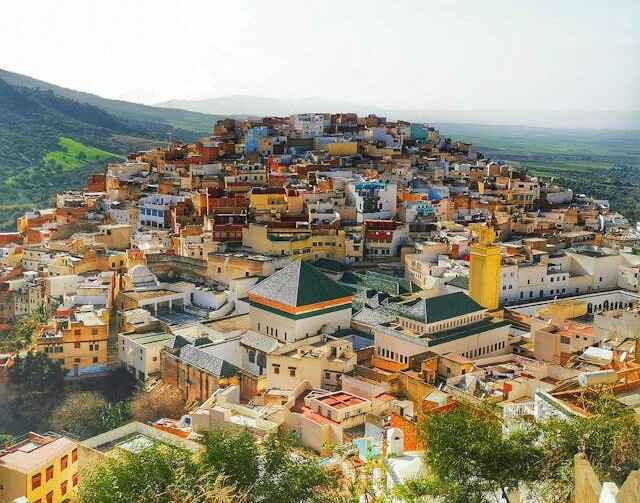
Moulay Idriss Zerhoun is one of Morocco’s most revered and spiritually significant towns, perched dramatically on the slopes of the Khyber and Zerhoun hills near the ancient Roman ruins of Volubilis. Named after Moulay Idriss I, the great-grandson of the Prophet Muhammad and founder of the Idrisid dynasty, this town is considered a holy pilgrimage site for Moroccan Muslims, second only to Mecca in importance for some locals. Its charm lies not only in its profound spiritual aura but also in its distinctive architecture, whitewashed houses stacked along winding alleyways, punctuated by green-tiled roofs and adorned with intricate wooden doors. Visitors are drawn to its tranquil, authentic atmosphere, the scent of olive groves that fill the surrounding countryside, and the breathtaking panoramic views from the hilltop terraces that overlook the lush plains below. Although historically closed to non-Muslims, the town has become increasingly accessible in recent years, offering travelers a unique glimpse into Morocco’s rich religious heritage and rural mountain life.

Morocco’s Rich Legacy: Where Dynasties and Cultures Meet
Morocco’s Rich Legacy is deeply rooted in centuries of history, shaped by powerful dynasties and vibrant cultural exchanges. Each chapter of Morocco’s past, marked by pivotal events, legendary rulers, and architectural marvels, has contributed to its reputation as one of the most fascinating nations in North Africa. From the rise of the Idrissid dynasty to the era of the Almoravids, Almohads, Merinids, Saadians, and the still-reigning Alaouite dynasty, Morocco’s historical narrative stands as a testament to resilience, unity, and diversity.
Recognized globally as a crossroads of civilizations, Morocco is home to UNESCO World Heritage treasures such as the medinas of Fez and Marrakech, the archaeological site of Volubilis, and the fortified city of Ait Ben Haddou. Its cultural wealth, hospitality, and art of living continue to captivate history enthusiasts and travelers who seek an authentic experience. For visitors, exploring Morocco is not just a journey through landscapes, but an immersion into centuries of dynastic glory and cultural heritage that define Morocco’s historical greatness.
The Idrisside Dynasty: The Birth of Morocco’s Rich Legacy
The Idrisside dynasty (789–974) marks the beginning of Morocco’s Rich Legacy as the first royal house to unify the country under a single rule. Founded by Idriss I, a descendant of the Prophet Muhammad, this dynasty established its first capital in Volubilis (Walili), a city that symbolized the fusion of Berber traditions and Islamic influences. From 789 to 978, the Idrissides extended their influence across much of the Maghreb, shaping the early identity of modern Morocco.
One of the dynasty’s greatest contributions was the founding of Fez, which rose to prominence as the new capital under Idriss II. Fez became a center of intellectual, spiritual, and political life, hosting scholars, artisans, and merchants from across the Islamic world. The architectural and religious achievements of the Idrissides are still celebrated today, with monuments like the Al-Qarawiyyin Mosque, one of the oldest universities in the world, standing as a masterpiece of Moroccan art and architecture. Despite their remarkable legacy, the Idrissides eventually gave way to the Almoravid dynasty, which continued to shape Morocco’s historical path.
The Almoravid Dynasty: The Builders of Marrakech and Morocco’s Rich Legacy
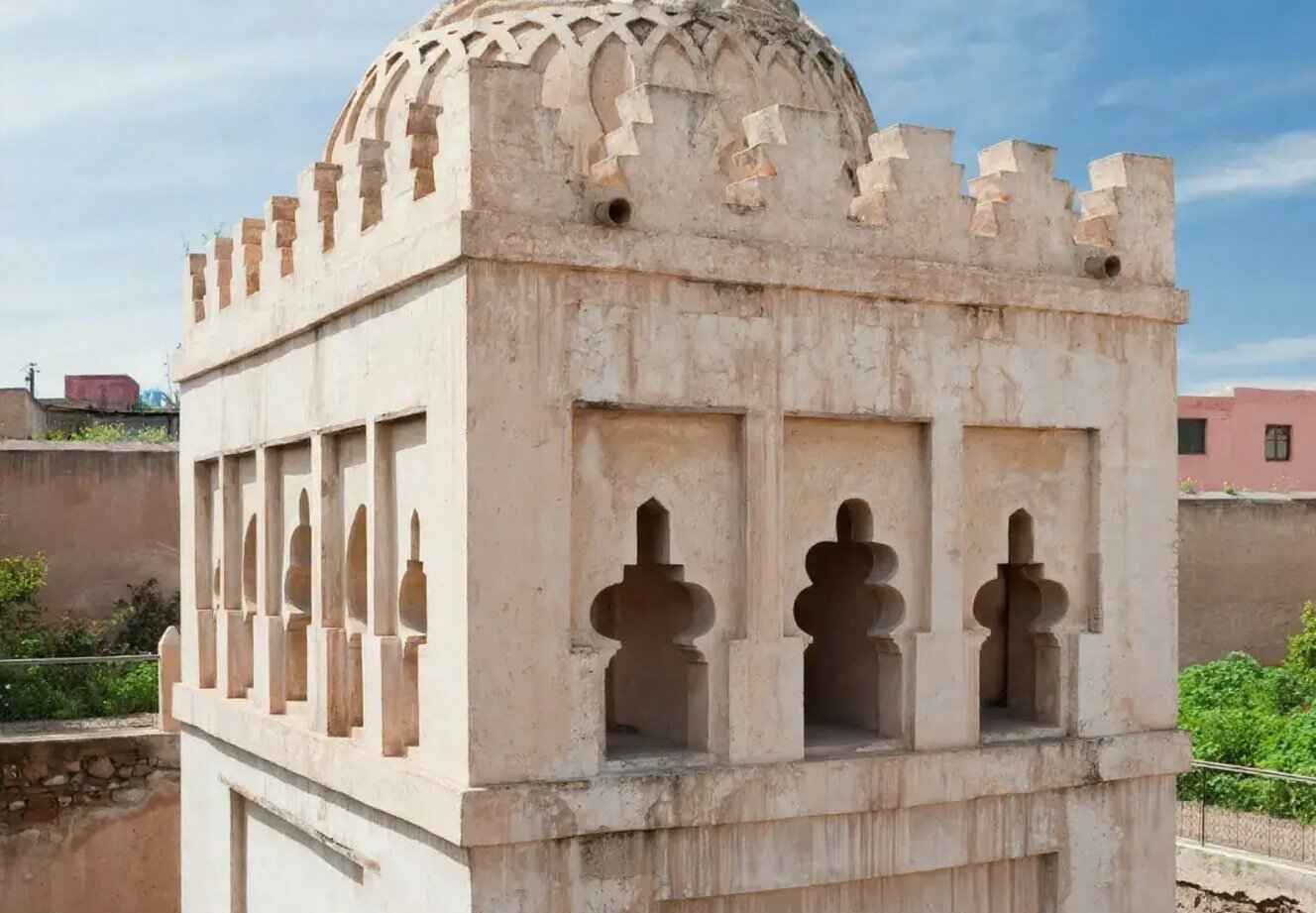
The Almoravid Dynasty (1060–1147) was a powerful Berber dynasty that expanded Morocco’s Rich Legacy by uniting vast territories of the Maghreb and Al-Andalus under one rule. After succeeding the Idrissides, the Almoravids rose from the Sahara, consolidating power across North Africa before moving northward. One of their most significant achievements was the founding of Marrakech in 1062, which they declared the capital of their empire. Marrakech became a vibrant center of trade, governance, and culture, linking sub-Saharan Africa with the Mediterranean and Europe.
The Almoravids were also renowned for their architectural and religious contributions. They initiated the construction of monumental sites such as the Koutoubia Mosque, along with Koranic schools (medersas), fortified ramparts, and grand palaces. Their advanced irrigation systems, including khettaras and water basins, transformed the arid landscapes around Marrakech, ensuring sustainable agriculture and urban development. These remarkable innovations left a lasting imprint on Morocco’s history, making the Almoravid era one of the most celebrated chapters in the country’s dynastic timeline.
The Almohad Dynasty: A New Era in Morocco’s Rich Legacy
The Almohad Dynasty (12th–13th century) emerged as a formidable power after defeating the Almoravids, marking another defining chapter in Morocco’s Rich Legacy. Founded under the leadership of Ibn Tumart, the Almohads rose with a strong religious and reformist vision, reflected in their name “Al-Muwahhidun,” meaning “the unifiers” or “those who proclaim the oneness of God (Tawhid).” Their reign extended across Morocco, the Maghreb, and parts of Al-Andalus, leaving a lasting influence on Islamic architecture and governance.
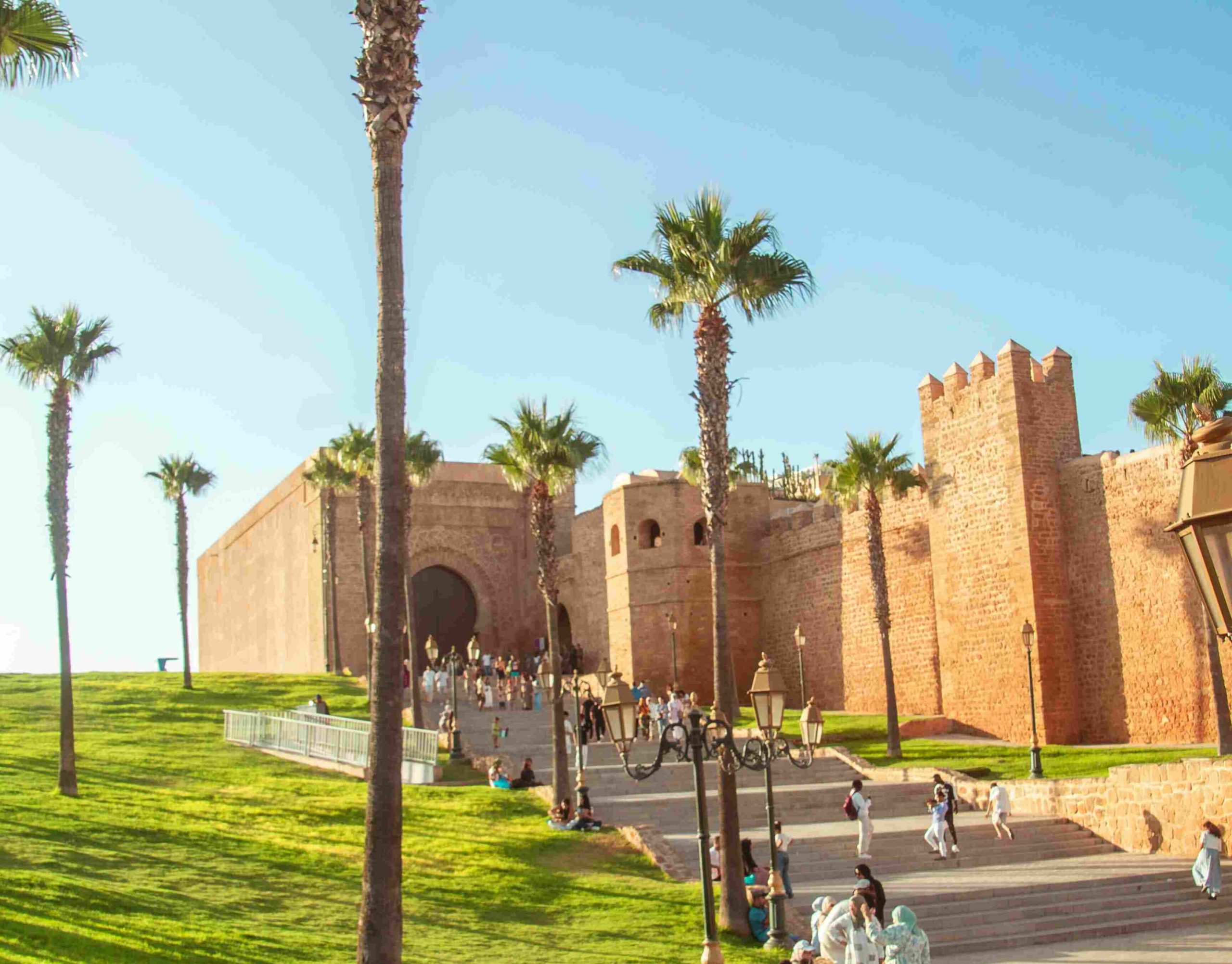
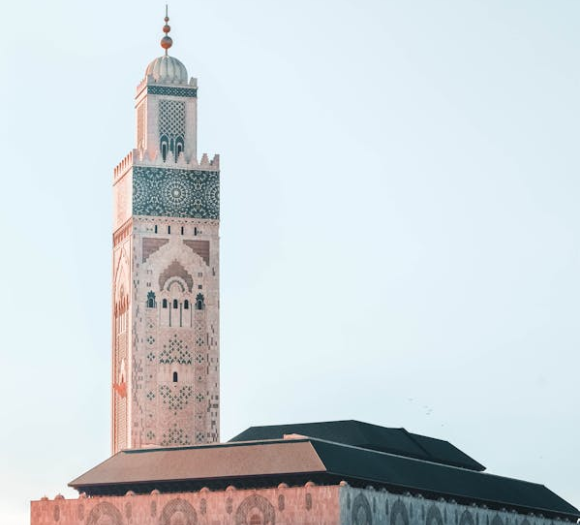
Marrakech, which remained the capital under the Almohads, flourished with ambitious architectural projects. One of their most iconic achievements was the redesign and expansion of the Koutoubia Mosque, a masterpiece whose design later inspired landmarks such as the Giralda Tower in Seville and the Hassan Tower in Rabat. The Almohad era emphasized culture, intellectual advancement, and monumental architecture, shaping Morocco’s spiritual and cultural identity. Their rule, however, declined after their defeat at the Battle of Las Navas de Tolosa in 1212, signaling the rise of new powers in the region.
The Merinid Dynasty: Guardians of Faith and Art in Morocco’s Rich Legacy
The Merinid Dynasty (1244–1465) rose to power under the leadership of the Amazigh chief Abou Yahia, overthrowing the Almohads and establishing Fez as their capital. This dynasty played a significant role in shaping Morocco’s Rich Legacy through its religious devotion, architectural mastery, and cultural achievements. Despite their eventual decline following attacks by the Portuguese along the Atlantic coast and through strategic locations like Ceuta and the Strait of Gibraltar, the Merinids left behind remarkable historical and artistic contributions.
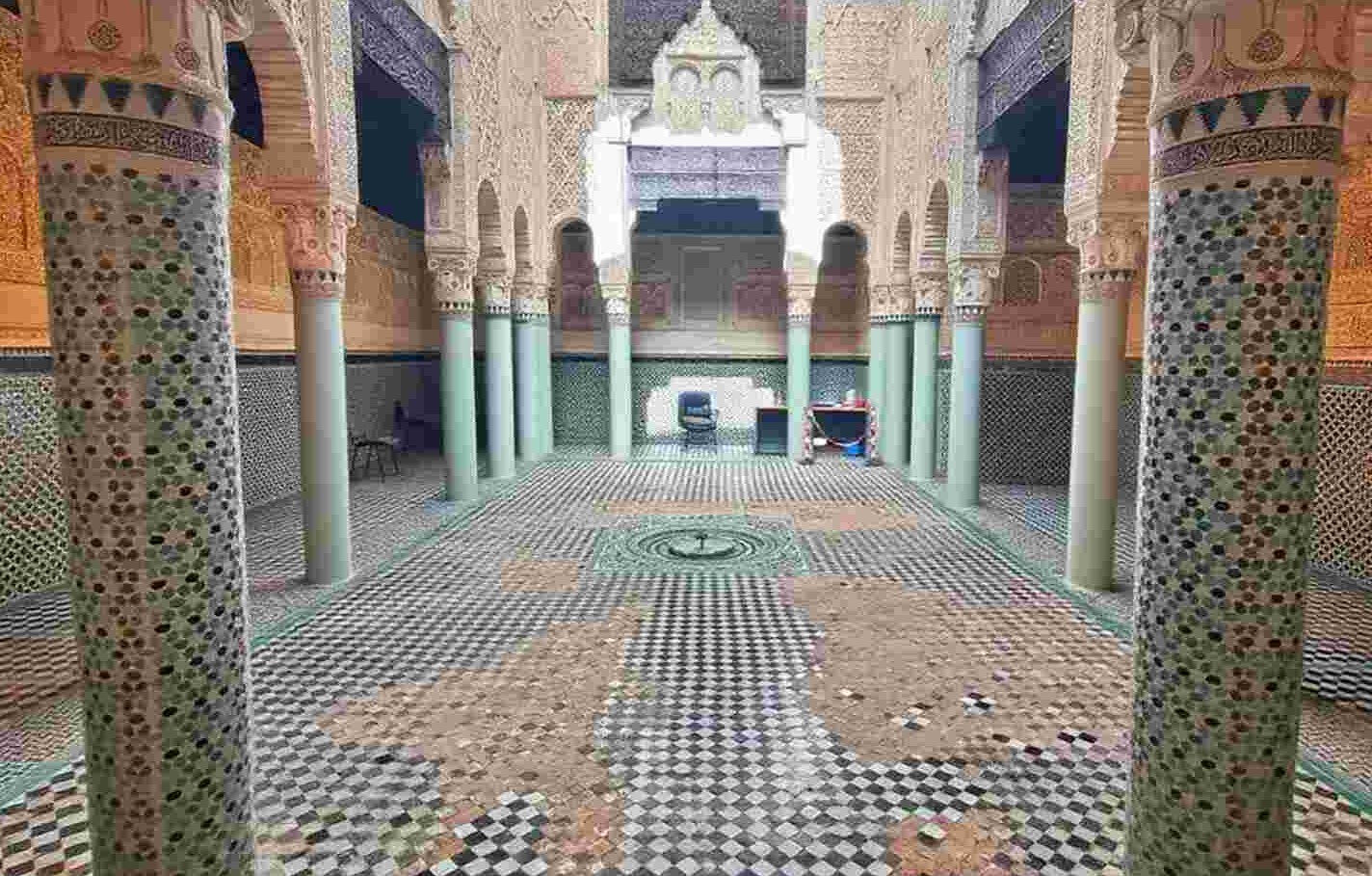
Driven by a mission to preserve and spread Islamic scholarship, the Merinids built numerous zaouias, mosques, and Koranic medersas, including the iconic medersa in Salé. Their architectural style is characterized by intricate woodwork, stucco carvings, glazed ceramic tiles, and vibrant green-tiled roofs that remain emblematic of Moroccan design. One of the dynasty’s most enduring symbols is the Chellah Necropolis in Rabat, a site that blends Roman ruins with Merinid monuments, reflecting the dynasty’s deep cultural and historical significance.
The Saadian Dynasty: A Golden Age in Morocco’s Rich Legacy
The Saadian Dynasty (1554–1659) marked a period of prosperity, military triumphs, and cultural flourishing in Morocco’s Rich Legacy. After overthrowing the Merinids, the Saadians first ruled from Fez before making Marrakech their imperial capital. Known for their fierce resistance against foreign invaders, they declared war on the Portuguese, successfully reclaiming key coastal cities, including Agadir. To counter Ottoman influence, the Saadians strategically allied with Spain, strengthening Morocco’s geopolitical position.
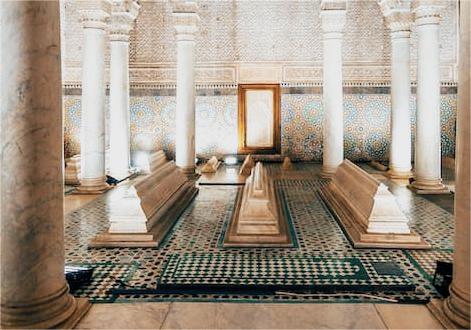
This era is often remembered as a golden age, fueled by the wealth acquired from Sudan after their victory over the Songhai Empire in Africa. The Saadians invested their riches in monumental architecture and artistic projects that still inspire awe today. In Fez, they fortified the city by constructing Borjs and restoring the Al-Qarawiyyin Mosque. In Marrakech, their enduring legacy includes the Saadian Tombs, the Ben Youssef Medersa, and the magnificent El Badi Palace, once a symbol of Morocco’s opulence and power.
The Alaouite Dynasty: Continuity and Strength in Morocco’s Rich Legacy
The Alaouite Dynasty (1666–present) represents the longest-reigning royal house in Morocco and remains the cornerstone of Morocco’s Rich Legacy. Originating from Tafilalt in southeastern Morocco, the Alaouites rose to power after overthrowing the Saadian Dynasty. Initially, they established Fez as their capital, later moving to Meknes under Sultan Moulay Ismail, one of Morocco’s most legendary rulers. In 1912, Rabat was declared the nation’s official capital, a status it retains today.
Under the Alaouites, Morocco saw an era of renewal and urban transformation. Sultan Moulay Ismail’s ambitious building projects included Bab El-Mansour, an iconic gate that still stands as a symbol of Moroccan craftsmanship. The dynasty also reinforced Morocco’s unity, strengthened its defenses, and upheld religious traditions. Today, King Mohammed VI, the 23rd ruler of the Alaouite line, continues to guide the Kingdom with a vision of modernization while preserving the nation’s historical and cultural identity.
Ready to uncover more of Morocco’s Rich Legacy?
Dive deeper into the wonders of Moroccan culture, history, and traditions on our blog. From the imperial cities to hidden cultural gems, every story brings you closer to the soul of Morocco.
+212 600 000 000
WowMoroccoTours@gmail.com
The post Morocco’s Rich Legacy: Where Dynasties and Cultures Meet appeared first on Wow Morocco Tours.
]]>
Volubilis Morocco: Travel Guide to the Most Iconic Roman Ruins in North Africa
Volubilis Morocco: Travel Guide to the Most Iconic Roman Ruins in North Africa
Imagine standing in the heart of Morocco, surrounded by rolling hills and olive groves, as the sun sets over the ruins of a city that once pulsed with Roman life. Welcome to Volubilis, Morocco, a place where history, mystery, and awe collide. Whether you’re passionate about archaeology, enchanted by ancient civilizations, or simply seeking a unique travel experience, Volubilis offers you an unforgettable journey into the past.
In this guide, you’ll discover everything you need to know to plan a memorable visit to Volubilis, how to get there, what to expect, why it’s worth your time, and how to make the most of your trip.
What is Volubilis in Morocco?
Volubilis is a sprawling archaeological site located near the modern city of Meknes, in northern Morocco. Once a thriving Roman city and the westernmost outpost of the Roman Empire, Volubilis played a vital role in trade, governance, and cultural exchange in North Africa.
Dating back to the 3rd century BCE and flourishing under Roman rule from the 1st to 3rd centuries CE, the city was home to Roman elites, Berber tribes, and early Christians. Its ruins include homes, temples, triumphal arches, public baths, and some of the most exquisite mosaic floors in the Mediterranean world.
In 1997, Volubilis earned UNESCO World Heritage Site status, a testament to its historical and cultural significance.

Why You Should Visit Volubilis, Morocco
You’re not just visiting some ruins, you’re walking through the echoes of an empire. Here’s why Volubilis deserves a spot on your Moroccan itinerary:
- Preserved Roman Ruins: Unlike many ancient sites, Volubilis still showcases impressive structures and detailed mosaics.
- Cultural Heritage: The site reflects a blend of Roman, Berber, and Islamic influences.
- Peaceful Scenery: Set amidst green fields and blue skies, the site offers calm and serenity.
- Photographer’s Paradise: Between golden light and majestic arches, every corner offers a story to capture.
- Proximity to Other Attractions: You can pair your visit with stops in Meknes or Moulay Idriss Zerhoun.
What to Visit in Volubilis Morocco ?
The site stretches over 40 hectares, making it one of the most impressive Roman archaeological sites in North Africa. While you could spend days exploring every corner, these key landmarks offer the richest and most memorable experiences.
1. The Triumphal Arch of Caracalla
Or arch cacalla. One of the most iconic sights in Volubilis, this grand arch was built in 217 AD in honor of the Roman Emperor Caracalla and his mother Julia Domna. Standing tall at the end of the city’s decumanus maximus (main street), the arch offers not only historical importance but also spectacular photo opportunities with the surrounding hills in the background. Its imposing structure and well-preserved Latin inscriptions make it a powerful reminder of Roman authority and architectural mastery.
2. Capitoline Temple
Situated at the heart of the ancient city, the Capitoline Temple was dedicated to Jupiter, Juno, and Minerva—the three major Roman deities. This temple served as a religious and civic centerpiece and showcases the city’s devotion to Roman traditions. Even in ruins, the temple’s raised platform and remaining columns convey a sense of grandeur. It’s an excellent spot to understand the layout of Roman urban planning and the role of temples in public life.
3. The Basilica
The Basilica of Volubilis functioned as the city’s main administrative building and courthouse. Here, magistrates would have overseen legal disputes and civic affairs. Its large hall, defined by towering stone columns and a semi-circular apse, illustrates Roman architectural finesse and societal organization. From the Basilica, visitors can enjoy sweeping views of the rest of the ruins, making it both a historical and visual highlight of the site.
4. Private Mansions and Mosaics
The wealthier citizens of Volubilis lived in large, luxurious houses adorned with detailed mosaic floors that remain remarkably well-preserved today. Among the most famous is The House of Orpheus, featuring a vibrant mosaic of Orpheus playing music to tame wild animals. The House of the Acrobat displays a gymnast mid-performance, proof of Roman appreciation for the arts. The House of the Labors of Hercules showcases the mythological hero’s incredible feats. These mosaics not only demonstrate Roman artistic talent but also offer a glimpse into the values and aesthetics of the elite.
5. Public Baths and Olive Presses
Daily life in Volubilis revolved around communal spaces like public baths, which were vital for hygiene, relaxation, and socializing. The remnants of these baths reveal a sophisticated heating system, including hypocausts for underfloor heating, a marvel of Roman engineering. Scattered throughout the site are olive presses that reflect the importance of olive oil production in the local economy. Together, these features bring to life the everyday rhythms of ancient Roman society.
Step Back in Time with a One-Day Journey Through Morocco’s Imperial Soul!
Join us on a captivating day trip where ancient history, sacred heritage, and imperial elegance come together. Wander through the awe-inspiring Roman ruins of Volubilis, a UNESCO World Heritage Site where crumbling arches and majestic mosaics whisper stories of centuries past. Then, climb to the sacred hilltop town of Moulay Idriss Zerhoun, the spiritual heart of Morocco, with its whitewashed alleys and panoramic views. Finally, dive into the imperial splendor of Meknes, home to grand gates like Bab Mansour, majestic royal stables, and a Medina filled with rich tradition.
Don’t miss this unforgettable trio of Moroccan treasures, all in one epic day!
Nearby Attractions to Include in Your Itinerary
Moulay Idriss Zerhoun

Meknes, Morocco Imperial City

Final Thoughts: Walk the Road of Empires
Visiting Volubilis Morocco is like stepping into a forgotten chapter of human history. As you wander through Roman columns, admire ancient mosaics, and feel the whispers of civilizations past, you’ll realize that Volubilis is more than just a ruin—it’s a story carved in stone.
So, if you’re planning a trip to Morocco, don’t skip this timeless destination. Pack your camera, bring your curiosity, and let the echoes of Volubilis transport you back two thousand years.
Ready to explore Volubilis? Share your travel plans or questions in the comments, and tag us in your Volubilis photos on social media. History awaits you.
Contact Us Today to start planning your adventure to Volubilis Morocco. Let us take care of the details so you can focus on the experience.
FAQs About Volubilis Morocco
What is Volubilis in Morocco?
Volubilis is a well-preserved Roman archaeological site located near Meknes. It was once a major city in the Roman province of Mauretania Tingitana.
Is Volubilis, Morocco worth visiting?
Absolutely. The site’s rich history, beautiful scenery, and well-preserved mosaics make it a must-see for anyone visiting northern Morocco.
What to visit in Volubilis, Morocco?
Key highlights include the Triumphal Arch, Basilica, Capitoline Temple, and Roman homes with intricate mosaics.
What to visit in Volubilis, Morocco?
Volubilis is a well-preserved Roman archaeological site located near Meknes. It was once a major city in the Roman province of Mauretania Tingitana.
How much does it cost to go to Volubilis?
Foreigners pay around 70 MAD. Moroccan residents pay around 10 MAD. Guided tours may cost extra.
+212 600 000 000
WowMoroccoTours@gmail.com
The post Volubilis Morocco: Travel Guide to the Most Iconic Roman Ruins in North Africa appeared first on Wow Morocco Tours.
]]>
The best time to visit morocco
The Best Time to Visit Morocco: Your Ultimate Guide to an Unforgettable Journey
Imagine yourself wandering through the bustling souks of Marrakech, where every corner is alive with the vibrant colors of spices, textiles, and handmade crafts. The warm sun brushes your skin gently as you sip mint tea in a serene riad courtyard. Or picture a serene desert evening, the sky ablaze with stars, wrapped in a cozy blanket beside a crackling campfire. The best time to visit Morocco is not just about picking a date on the calendar; it’s about choosing when you want to experience these unforgettable moments in the fullest.
If you’ve been wondering when to plan your trip to Morocco, this guide is designed just for you. We’ll explore everything from Morocco’s diverse climate and regional differences to special events and practical travel tips. By the end, you’ll know exactly when the best time to visit Morocco is for your ideal adventure.
Understanding Morocco’s Climate and Seasons
Before deciding when to visit Morocco, it’s important to understand the country’s unique climate. Morocco’s geography is incredibly diverse: from the Atlantic and Mediterranean coastlines to the rugged Atlas Mountains and the vast Sahara Desert. This means weather conditions vary widely depending on where you go and when.
Morocco experiences four main seasons:
-
Spring (March to May)
-
Summer (June to August)
-
Autumn (September to November)
-
Winter (December to February)
Why does this matter? Because the weather impacts what you can do and see. For example, summer days in Marrakech can be scorching, while coastal cities enjoy more moderate temperatures. In winter, the mountains can be snowy and perfect for skiing.
Here’s a quick overview of what to expect:
| Region | Spring | Summer | Autumn | Winter |
|---|---|---|---|---|
| Marrakech | Mild, sunny | Hot, dry (up to 40°C) | Warm, pleasant | Cooler, some rain |
| Sahara Desert | Warm days, cool nights | Extremely hot (>45°C) | Warm, perfect for tours | Cold nights, mild days |
| Atlas Mountains | Cool, blossoming flora | Warm, good hiking | Mild, colorful leaves | Cold, snow at high altitudes |
| Coastal Cities | Mild, breezy | Warm, beach-friendly | Mild, some rain | Mild, rainy |
Spring (March to May) — Your Best Bet for Comfortable Exploration
Spring is often considered the best time to visit Morocco for many travelers, and here’s why. During these months, the weather is comfortably warm but not too hot. Daytime temperatures hover between 20°C and 25°C (68°F to 77°F), perfect for wandering through ancient medinas, hiking in the Atlas Mountains, or exploring historic sites.
You’ll also get to see Morocco in bloom, wildflowers carpet the countryside, and the famous rose valleys near El Kelaa M’Gouna burst into fragrant color. The crowds are thinner compared to summer, so you can enjoy a more peaceful experience.
Recommended destinations for spring include Marrakech, Fes, Chefchaouen, and the Atlas region.
Autumn (September to November) — Warm Days, Crisp Evenings, and Rich Culture
Autumn mirrors spring’s pleasant weather, making it another excellent season for travel. The heat of summer fades away, replaced by warm days and cooler nights. This is a great time to explore the Sahara Desert before temperatures drop in winter.
Autumn also brings cultural festivals, such as the International Nomads Festival in M’hamid, which celebrates desert traditions. Hiking enthusiasts find this season perfect for trekking the Atlas Mountains with mild temperatures and stunning fall foliage.
Winter (December to February) — A Quiet, Cozy Escape
If you prefer fewer tourists and don’t mind cooler temperatures, winter can be a rewarding time to visit Morocco. While inland cities like Marrakech and Fes cool down considerably, coastal cities such as Essaouira and Casablanca enjoy mild, pleasant weather.
The Atlas Mountains become a hub for winter sports, with ski resorts like Oukaimeden offering snowy slopes. Desert nights in the Sahara become quite cold, but the daytime warmth remains bearable.
Winter is ideal if you want a peaceful trip with unique seasonal activities.
Summer (June to August) — Hot, Vibrant, and Coastal-Focused
Summer in Morocco can be intense, especially in inland cities where temperatures can soar above 40°C (104°F). If you don’t handle heat well, this might not be your ideal time for sightseeing.
However, coastal towns like Agadir and Essaouira offer refreshing breezes and beach-friendly weather. Summer is also festival season, with vibrant events like the Gnaoua World Music Festival in Essaouira filling the air with music and celebration.
If you love beaches and cultural festivals, summer along the coast is a lively time to visit.
Special Events and Festivals That Influence the Best Time to Visit Morocco
Timing your visit to coincide with Morocco’s festivals can add incredible cultural depth to your trip. Here are some must-know events:
-
Marrakech International Film Festival (December): A glamorous celebration attracting filmmakers and celebrities worldwide.
-
Fes Festival of World Sacred Music (May-June): Experience soul-stirring performances blending spiritual traditions.
-
Gnaoua World Music Festival, Essaouira (June): A vibrant fusion of African, Arab, and Western sounds.
-
Rose Festival, El Kelaa M’Gouna (May): Celebrate the blooming of Morocco’s famed roses with parades and music.
Attending festivals not only enriches your experience but also offers unique photo opportunities and chances to connect with locals. Be sure to book accommodation early if you plan to visit during these busy times.
Regional Recommendations: When to Visit Different Parts of Morocco
Marrakech and Central Morocco
If you’re dreaming of a trip filled with color, culture, and unforgettable energy, Marrakech should be high on your list. As a travel agency that has guided countless visitors through this iconic city, we always recommend planning your visit during spring or autumn. From March to May and again from September to November, the weather in Marrakech is ideal, warm enough to enjoy rooftop dining and garden strolls, but cool enough for walking tours through the medina without overheating. This is the perfect time to explore the Jemaa el-Fnaa square, wander through spice-scented souks, or admire the beauty of places like the Bahia Palace or Majorelle Garden. Summer, while lively, can be extremely hot, often over 38°C, which makes outdoor activities less enjoyable. If you’re looking to experience Marrakech at its best, with the right balance of comfort and authenticity, plan your journey in the shoulder seasons when the city truly comes to life.

Sahara Desert
Best months: October to April
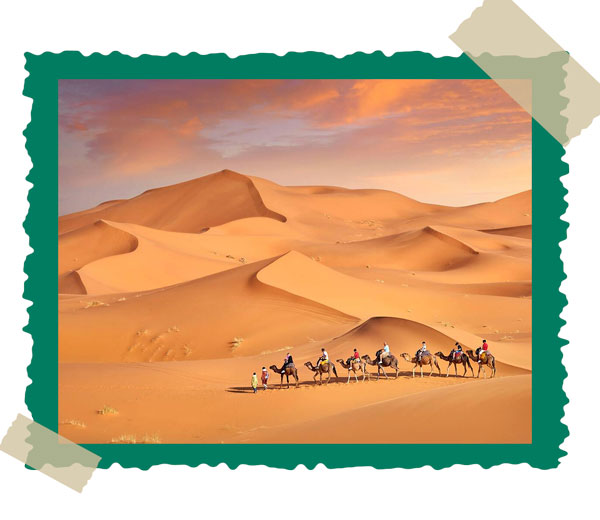
If the Sahara Desert is on your bucket list, and it should be, timing is everything. As travel experts who regularly organize desert expeditions, we strongly recommend visiting between October and April, when temperatures are much more manageable. During these months, the days are warm and sunny, while the nights offer a cool, peaceful escape, ideal for camel treks, 4×4 tours, and unforgettable evenings in traditional desert camps under the stars. The summer heat in the Sahara can be extreme, often exceeding 45°C (113°F), making travel not only uncomfortable but potentially dangerous. By visiting in the cooler months, you’ll get to experience the raw beauty of the dunes, the golden light of sunrise and sunset, and the deep silence of the desert, all without the risks of heat exhaustion. For the most authentic and comfortable Sahara adventure, autumn through spring is your best window.
Atlas Mountains
Best months: Winter (December to February) for snow sports; Spring and Autumn for hiking and trekking
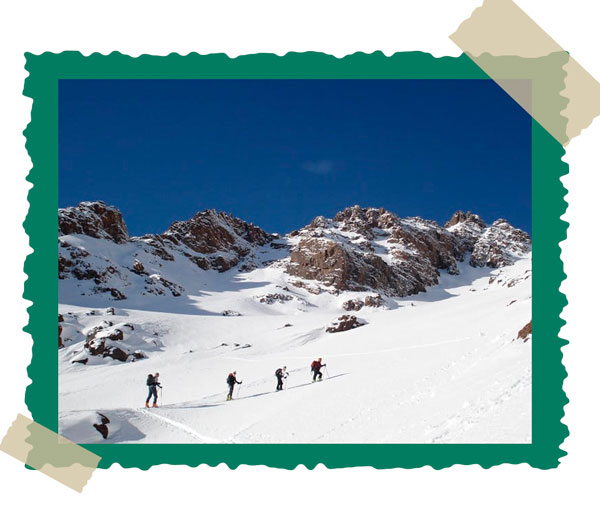
The Atlas Mountains are a breathtaking escape from Morocco’s cities and deserts, offering something unique in every season. If you’re into winter sports, visiting between December and February means you can enjoy skiing and snowboarding at resorts like Oukaimeden, surrounded by stunning snow-capped peaks. But for most travelers, the spring and autumn months are the best times to explore the Atlas on foot. During these seasons, the weather is mild and inviting, perfect for hiking through lush valleys, traditional Berber villages, and vibrant wildflower meadows. Summer can be intense with harsh heat at lower elevations, while the higher mountain trails may still be inaccessible due to heavy snow in winter. So, whether you’re seeking adventure on the slopes or peaceful mountain treks, plan your visit in the shoulder seasons to make the most of this spectacular region’s natural beauty.
Coastal Cities (Casablanca, Rabat, Essaouira)
The coastal cities of Morocco offer a refreshing contrast to the country’s interior heat and desert landscapes. Places like Casablanca, Rabat, and Essaouira enjoy mild and moderate temperatures throughout the year, making them great destinations no matter when you visit. However, if you’re a beach lover, the summer months bring warm sunshine and inviting Atlantic breezes, perfect for relaxing by the sea. Essaouira, in particular, is famous for its vibrant beach culture and watersports. Beyond the natural beauty, these cities come alive with festivals during the warmer months, from music celebrations in Essaouira to cultural events in Rabat, adding an extra layer of excitement to your visit. Whether you want to stroll along historic promenades, enjoy fresh seafood, or soak up a laid-back atmosphere, Morocco’s coastal cities deliver year-round charm with their distinct coastal vibe.
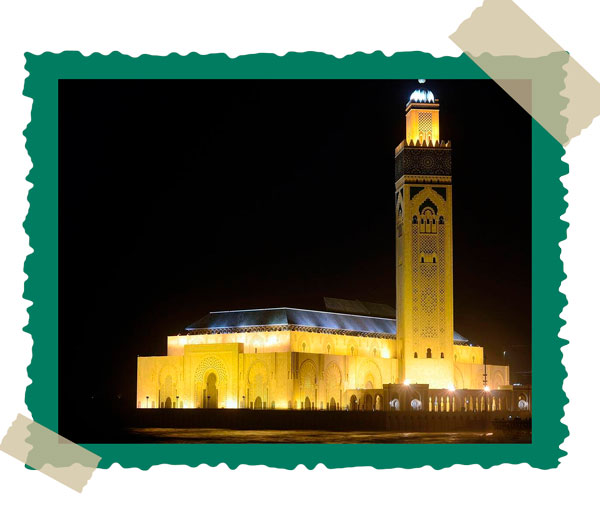
Discover Morocco at Its Best – Plan Your Perfect Escape!
Whether you’re dreaming of wandering through ancient medinas, riding camels across golden dunes, or relaxing in seaside towns, the best time to visit Morocco is spring (March to May) and autumn (September to November). During these seasons, the weather is pleasantly warm, the landscapes are at their most vibrant, and the crowds are fewer, making it the ideal time to explore the magic of Morocco in full comfort.
Book your Moroccan adventure now and experience the beauty, culture, and warmth of this enchanting country at its finest!
Special Events and Festivals That Influence the Best Time to Visit Morocco
Timing your visit to coincide with Morocco’s festivals can add incredible cultural depth to your trip. Here are some must-know events:
-
Marrakech International Film Festival (December): A glamorous celebration attracting filmmakers and celebrities worldwide.
-
Fes Festival of World Sacred Music (May-June): Experience soul-stirring performances blending spiritual traditions.
-
Gnaoua World Music Festival, Essaouira (June): A vibrant fusion of African, Arab, and Western sounds.
-
Rose Festival, El Kelaa M’Gouna (May): Celebrate the blooming of Morocco’s famed roses with parades and music.
Attending festivals not only enriches your experience but also offers unique photo opportunities and chances to connect with locals. Be sure to book accommodation early if you plan to visit during these busy times.
Morocco Climate (Average Temperature & Rainfall)
| Destination | Jan | Feb | Mar | Apr | May | Jun | Jul | Aug | Sep | Oct | Nov | Dec |
|---|---|---|---|---|---|---|---|---|---|---|---|---|
| Casablanca | ☀️ 18°C ❄️64mm | 19°C 53mm | 20°C 48mm | 21°C 36mm | 23°C 17mm | 25°C / 4mm | 27°C / 1mm | 28°C / 2mm | 27°C / 6mm | 25°C / 33mm | 21°C / 65mm | 19°C / 81mm |
| Chefchaouen | ☀️14°C ❄️162mm | 14°C 155mm | 17°C 165mm | 19°C 71mm | 22°C 41mm | 27°C 10mm | 32°C 1mm | 32°C 3mm | 28°C 16mm | 22°C 58mm | 19°C 112mm | 15°C 146mm |
| Essaouira | ☀️17°C ❄️44mm | 18°C 40mm | 19°C 35mm | 20°C 28mm | 20°C 9mm | 21°C 2mm | 22°C 0mm | 22°C 1mm | 23°C 5mm | 22°C 26mm | 21°C 42mm | 19°C 53mm |
| Fez | ☀️16°C ❄️61mm | 18°C 72mm | 20°C 75mm | 23°C 65mm | 26°C 37mm | 32°C 15mm | 36°C 2mm | 36°C 2mm | 32°C 12mm | 26°C 47mm | 21°C 70mm | 16°C 80mm |
| Marrakech | ☀️18°C ❄️28mm | 20°C 34mm | 23°C 32mm | 26°C 31mm | 29°C 19mm | 33°C 4mm | 38°C 1mm | 38°C 2mm | 33°C 7mm | 28°C 22mm | 22°C 34mm | 19°C 29mm |
| Rabat | ☀️17°C ❄️77mm | 19°C 67mm | 20°C 61mm | 22°C 55mm | 24°C 21mm | 26°C 5mm | 28°C 0mm | 28°C 1mm | 27°C 7mm | 25°C 43mm | 21°C 80mm | 19°C 106mm |
| Tangier | ☀️16°C ❄️108mm | 17°C 104mm | 18°C 107mm | 20°C 54mm | 23°C 34mm | 26°C 11mm | 29°C 0mm | 29°C 3mm | 28°C 17mm | 24°C 65mm | 20°C 120mm | 17°C 146mm |
| Atlas Mountains | ☀️10°C ❄️68mm | 12°C 65mm | 14°C 80mm | 17°C 75mm | 21°C 42mm | 25°C 18mm | 30°C 5mm | 30°C 6mm | 25°C 24mm | 19°C 50mm | 14°C 75mm | 10°C 77mm |
| Erg Chebbi (Desert) | ☀️18°C ❄️2mm | 20°C 5mm | 24°C 4mm | 29°C 3mm | 33°C 4mm | 38°C 3mm | 43°C 5mm | 42°C 5mm | 34°C 9mm | 29°C 11mm | 22°C 10mm | 18°C 5mm |
Practical Tips for Choosing the Best Time to Visit Morocco
Now that you understand the climate and cultural calendar, how do you choose your travel window? Consider these factors:
-
Your priorities: Are you after sightseeing in comfort, beach time, cultural immersion, or outdoor adventures?
-
Avoid peak crowds: Traveling in spring or autumn usually means fewer tourists and better prices.
-
Budget: Peak seasons often bring higher airfare and hotel rates. Off-season travel can save you money.
-
Packing: Light layers are key for spring and autumn. For winter, pack warm clothes for the mountains and desert nights.
-
Ramadan: Be mindful that during Ramadan, some restaurants may close during the day, and cultural experiences differ.
FAQS About the best time to visit Morocco
When is the best time to visit Morocco to avoid crowds?
The shoulder seasons—spring (March to May) and autumn (September to November)—are the best to avoid crowds while enjoying comfortable weather.
What months are too hot to visit Morocco?
Summer months (June to August) can be extremely hot, especially inland. If you’re sensitive to heat, avoid these months for Marrakech and the Sahara.
Can I visit Morocco during Ramadan? What should I expect?
Yes, you can, but be prepared for a quieter daytime atmosphere. Many restaurants close during daylight hours, but evenings come alive with special meals and celebrations.
Is it safe to visit Morocco in winter?
Absolutely. Winter is a great time if you prefer cooler weather and fewer tourists. Just pack warmer clothes for mountain and desert evenings.
What is the best time to visit the Sahara Desert?
Between October and April, when temperatures are milder and nights are less freezing. Avoid the summer heat.
Can I visit Morocco during Ramadan? What should I expect?
Yes, you can, but be prepared for a quieter daytime atmosphere. Many restaurants close during daylight hours, but evenings come alive with special meals and celebrations.
If you have any questions or need assistance, don’t hesitate to contact us. We’re happy to help!
+212 600 000 000
WowMoroccoTours@gmail.com
The post The best time to visit morocco appeared first on Wow Morocco Tours.
]]>